Quick Facts
- Rule Status: Strictly forbidden; the use of all mobile phones and cameras is prohibited.
- Primary Reason: A historical exclusive copyright agreement and ongoing crowd management needs.
- Restoration Funding: The Nippon Television Network provided $4.2 million for a massive 14-year restoration project.
- Visitor Volume: The chapel manages approximately 6 million annual visitors, with peak days reaching up to 30,000 people.
- Sanctity Level: Mandatory absolute silence is required to respect the religious nature of the Apostolic Palace.
- Enforcement: Security guards monitor the room constantly and may require the immediate deletion of any captured digital media.
Sistine Chapel photography is prohibited in the modern era due to a combination of historical commercial contracts and the logistical necessity of protecting Michelangelo's Renaissance frescoes. While the initial ban was rooted in an exclusive copyright deal with the Nippon Television Network, the current Sistine Chapel photography rules are maintained to preserve the microclimate of the room and ensure the safety of the thousands of visitors who enter this sacred space daily.
The Divine Copyright: The Nippon TV Restoration
As a photography editor, I often hear people grumble that the no-photo rule is just a way to sell more postcards. While there is a grain of truth to the commercial side, the Sistine Chapel photography ban history is actually rooted in a very practical financial deal from the late 20th century. In 1980, the Vatican realized that the world-famous frescoes by Michelangelo Buonarroti were in desperate need of a professional cleaning. The accumulated soot from centuries of candle smoke and the grime of millions of visitors had left the ceiling dull and obscured.
The price tag for such a delicate undertaking was massive. To fund the effort, the Vatican turned to the Nippon Television Network Corporation of Japan. In exchange for providing the $4.2 million necessary for the 14-year restoration, the network was granted exclusive commercial reproduction rights for all photos and videos of the restored art. This meant that for over a decade, the only way to see high-resolution images of the cleaned ceiling was through Nippon TV’s authorized publications and documentaries.
Even though these specific legal rights held by the Japanese corporation officially expired in 1997, the Vatican chose to keep the ban in place. From an administrative standpoint, it was simpler to maintain a total ban than to allow tourists to take personal photos while trying to prevent professional-grade commercial photography. This decision preserved the exclusivity of the official Vatican images while addressing the growing concerns of art historians regarding the long-term health of the Renaissance frescoes.
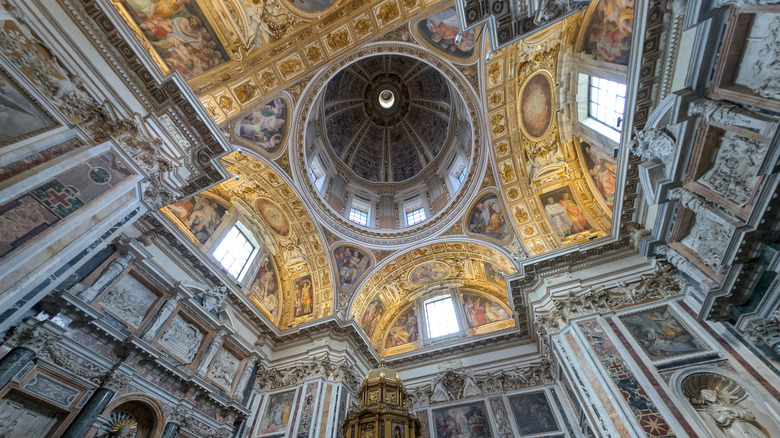
Beyond Legalities: Preservation and the Microclimate
When we talk about imaging technology, we often discuss how sensors react to light, but we rarely talk about how light reacts with ancient pigments. While most modern smartphone cameras don't use a powerful flash by default, the sheer volume of people attempting to take photos would inevitably lead to thousands of accidental flashes per day. Over decades, this cumulative light exposure could cause irreversible fading to the delicate colors restored during the 1980s.
However, the bigger threat to this UNESCO World Heritage site isn't just light; it is the human presence itself. Every person who walks into the chapel brings with them body heat, moisture, and carbon dioxide levels that can fluctuate wildly. The Vatican has installed an advanced air filtration and microclimate control system to keep the environment stable, but the system is pushed to its limit when crowds linger.
When tourists stop to frame a shot or wait for the perfect light, they stay in the room longer. This increased dwell time raises the humidity and temperature, which can lead to the formation of microscopic salt crystals on the surface of the paintings. Cultural heritage preservation is a delicate balancing act, and banning photography is one of the most effective ways to keep the "microclimate" of the Apostolic Palace within safe parameters for the art.
Crowd Management and the 'Fainting' Factor
If you have ever visited Rome in July, you know that the heat and the crowds are no joke. During peak summer months, the Sistine Chapel can attract as many as 30,000 visitors per day. From a logistical perspective, the Vatican Museum camera policy is a vital tool for crowd management. If everyone were allowed to stop, pose for selfies, and adjust their settings, the room would become a permanent bottleneck.
The congestion is so intense that security reports indicate roughly 10 people faint every day due to the combination of heat, lack of air, and the overwhelming nature of the crowd. By enforcing a no-photo rule, the guards keep the line moving. It ensures that the flow of people remains steady, preventing dangerous levels of overcrowding that could lead to medical emergencies or accidental damage to the walls.
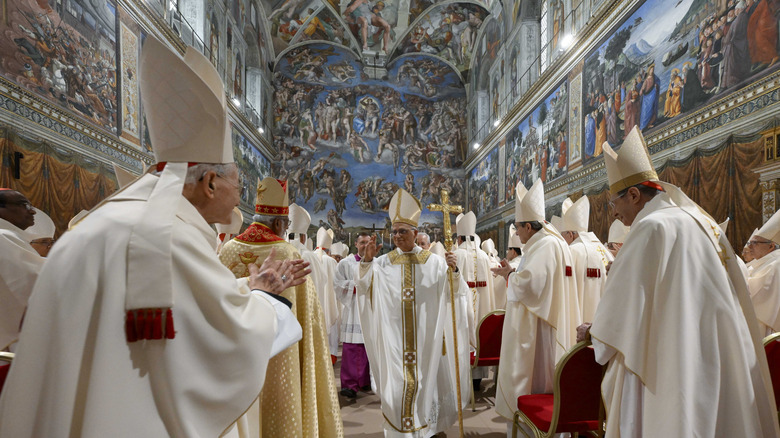
Furthermore, we must remember that this isn't just a museum; it is a consecrated chapel and the site of the Papal Conclave. The requirement for absolute silence is not just a suggestion; it is a mark of respect for the sanctity of the space. When people take photos, they tend to talk, whisper, and move around disruptively. The ban helps maintain a somber environment where visitors can appreciate the spiritual and historical weight of the room without the distraction of thousands of glowing screens.
Enforcement: What Happens if You Break the Rules?
You might be tempted to sneak a quick shot with your phone, but be warned: the museum security guards are highly trained to spot the "stealthy" lift of a mobile device. If you are caught, the Sistine Chapel no photo rule consequences can be quite direct. Unlike a slap on the wrist, guards are authorized to approach you and demand the immediate deletion of the image from your gallery or recently deleted folder.
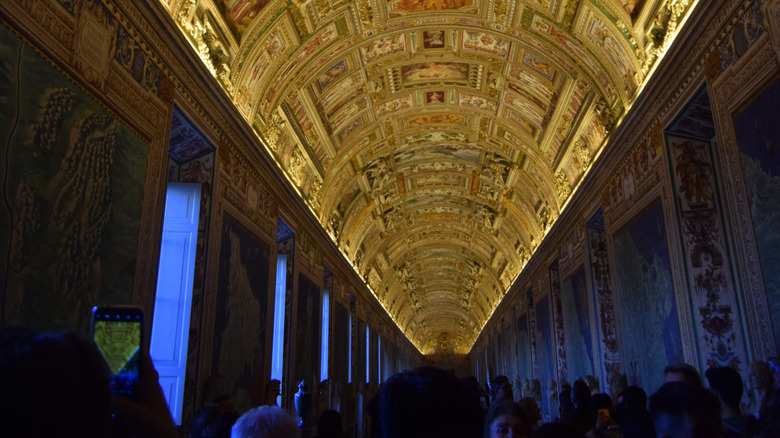
It is also worth noting the contrast between the chapel and the rest of the complex. The general Vatican Museum camera policy for tourists is actually quite generous in other areas. In most of the galleries and halls, non-flash photography for personal use is perfectly acceptable. You can take as many photos as you want of the statues, maps, and tapestries, provided you don't use a tripod or a flash. The chapel is the only major area where the ban is absolute and strictly policed.
To ensure you don't run into trouble with security, it is best to keep your phone in your pocket or bag from the moment you enter the short corridor leading to the chapel. The guards frequently shout "No photo! No video! Silenzio!" to remind the crowd, and being singled out in a room of hundreds of people is an experience most travelers would rather avoid.
How to Get Official Sistine Chapel Photos Legally
For those of us who appreciate high-quality imaging, a grainy, forbidden cell phone shot will never do justice to Michelangelo's work anyway. If you want the best possible visual record of your visit, there are better ways to get official Sistine Chapel photos without breaking the law or disrespecting the site.
The Vatican Museums operate several high-quality gift shops where you can purchase professional photography books, high-resolution prints, and even digital media that capture every brushstroke in perfect detail. These images are captured using specialized equipment and lighting that the average tourist could never replicate.
If you are planning your visit, keep these practical tips in mind to make your photography journey through the rest of the Vatican Museums smoother:
- Bag Size Limits: To avoid being sent to the cloakroom, ensure your camera bag is smaller than 40 x 35 x 15 cm.
- Tripods and Gear: Professional gear like tripods, stands, and "selfie sticks" are strictly prohibited throughout the entire museum complex.
- Flash Photography: While allowed in some galleries, flash is generally banned everywhere to protect the textiles and paintings. Always check the signs in each room.
- Dress Code: Remember that the chapel has a strict dress code (shoulders and knees must be covered), which applies to all visitors regardless of their photography intentions.
FAQ
Can you take photos in the Sistine Chapel?
No, photography and video recording of any kind are strictly prohibited inside the chapel. This includes the use of mobile phones, digital cameras, and professional equipment. The rule is enforced by security guards who monitor the room at all times.
Why is photography forbidden in the Sistine Chapel?
The ban originated from an exclusive copyright agreement with the Nippon Television Network, which funded the chapel's restoration in the 1980s. Today, the rule is maintained to protect the frescoes from light damage, manage massive tourist crowds, and preserve the "Absolute Silence" required in the sacred space.
Who holds the copyright for Sistine Chapel photography?
Historically, the Nippon Television Network held the exclusive rights for 14 years following their funding of the restoration project. While those commercial rights officially expired in 1997, the Vatican Museums still control the rights to all professional and commercial reproductions of the artwork today.
What happens if you get caught taking photos in the Sistine Chapel?
If security guards see you taking a photo, they will typically approach you immediately. You may be asked to delete the photo in front of them, including clearing it from your "recently deleted" folder. Persistent offenders or those using professional gear without a permit may be asked to leave the museum.
Is photography permitted in other parts of the Vatican Museums?
Yes, for the most part. Non-flash photography for personal use is permitted in most galleries of the Vatican Museums, such as the Gallery of Maps and the Raphael Rooms. However, the use of flash, tripods, and selfie sticks is banned throughout the entire complex.