Quick Facts
- Market Growth: The home arcade sector is booming, expected to reach $5.6 billion by 2034.
- Anchor Product: Arcade1Up Mortal Kombat II Deluxe stands 59.8 inches tall for a full-scale experience.
- Space Requirements: A minimum of 90cm (approx. 35 inches) of clearance is recommended for walkways between machines.
- Acoustic Standards: Look for cooling appliances rated under 38dB to maintain game room acoustics.
- Tech Benchmarks: For 2026 emulation stability, hardware should feature a minimum of 4GB RAM.
- Community Scale: Over 26.7 million Americans identify as active retro gamers.
Start your journey into retro gaming with the ultimate home arcade setup. In 2026, building a nostalgia-filled sanctuary is easier than ever with these curated Amazon picks. A complete home arcade setup requires three pillars: core hardware (like an Arcade1Up or bartop cabinets), immersive environmental elements (LED lighting and 80s decor), and ergonomic space planning. For beginners, the easiest path is a mix of pre-built cabinets and smart accessories from Amazon that capture those 80s nostalgia vibes without the high cost of vintage restoration.
1. The Centerpiece: Arcade1Up Mortal Kombat II Deluxe
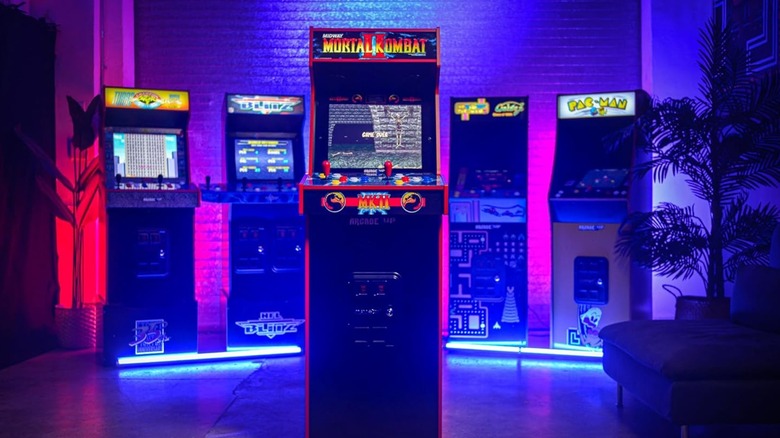
When you are deciding how to choose a home arcade machine, the first thing you have to look at is the form factor. The Arcade1Up Mortal Kombat II Deluxe is a standout because it avoids the need for a separate riser, standing at a sleek 59.8 inches tall. This height is critical for adult ergonomics; you don't want to be hunching over while trying to pull off a Fatality. The 17-inch Color LCD screen provides crisp visuals, but the real draw is the cabinet artwork. The side panels and marquee are designed to replicate the original midway machines from the 90s, instantly boosting your arcade room decor ideas.
From a performance standpoint, this cabinet is a powerhouse. It features a 14-game library including classics like Mortal Kombat I, II, and III, alongside titles like Gauntlet and Joust. For the purists, the joystick controllers are surprisingly responsive, providing that clicky, tactile feedback necessary for high-level play. This machine also supports Wi-Fi for multiplayer connectivity, allowing you to compete on global leaderboards. It is easily one of the best amazon products for home arcade setup because it balances out-of-the-box playability with professional aesthetics.
2. Portable Power: My Arcade Atari Gamestation Go
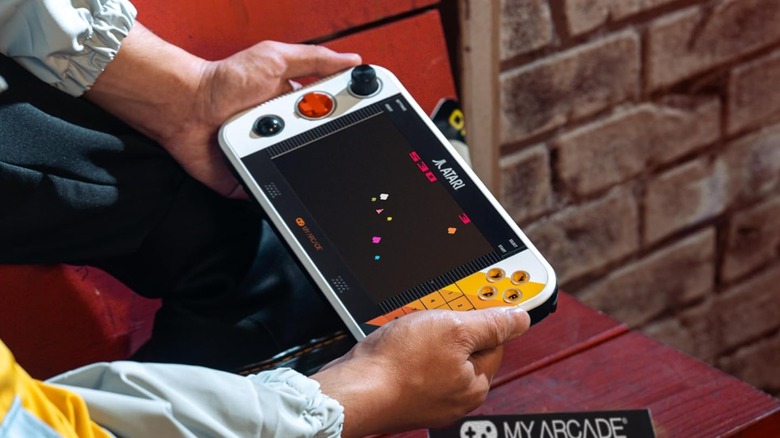
Not everyone has the floor space for a dozen full-sized cabinets. If you are working with small space retro game room layout ideas, you need versatility. The My Arcade Atari Gamestation Go is a brilliant hybrid. It functions as a handheld with a built-in screen, but it truly shines when you plug it into a 4K display. This device meets the 2026 performance requirements for smooth emulation software, ensuring that even demanding titles don't stutter during peak action.
The design leans heavily into pixel art aesthetics, with a form factor that feels substantial in the hands but fits easily on a shelf. It comes pre-loaded with over 200 officially licensed Atari titles. For those following a diy retro arcade guide, this is a perfect "side-car" device. You can have your main cabinet as the center of attention while this portable unit provides a massive library of games for guests who want to sit on the couch. It’s a space-saving masterclass in how to pack decades of gaming history into a device the size of a book.
3. Atmosphere: Govee Smart LED Strips & Neon Signs
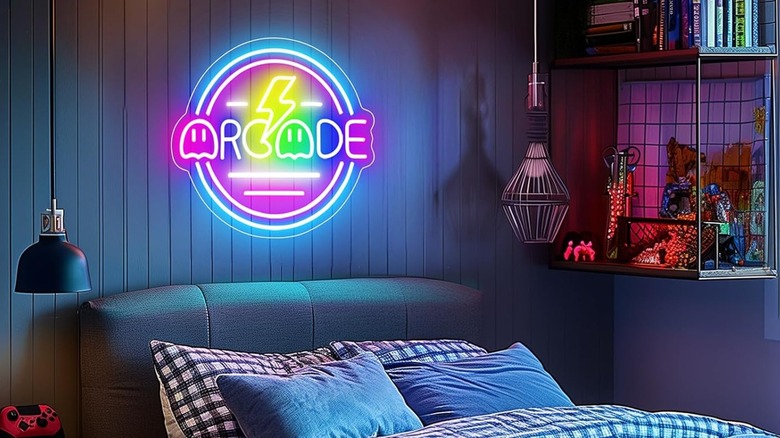
The difference between a "room with some games" and a true sanctuary lies in the lighting. To achieve those authentic 80s nostalgia vibes, you need to control the environment. Govee Smart LED Strips are my go-to recommendation for any retro gaming room lighting and decor guide. These strips allow you to use "dream-view" technology, which syncs the room's ambient LED strips to the colors appearing on your arcade screen.
When planning your layout, place the strips behind the cabinets to create a "halo" effect. This adds visual depth to the room and reduces the eye strain often caused by looking at bright screens in a pitch-black room. Supplement this with gamer-themed neon signs. A well-placed Pac-Man or "Game Room" sign acts as a focal point, drawing the eye across the room. Remember, lighting also affects how we perceive game room acoustics; soft, indirect light makes the space feel more enclosed and private, which is exactly what you want when you're lost in a high-score run.
4. Refreshments: Electactic 38dB Beverage Refrigerator
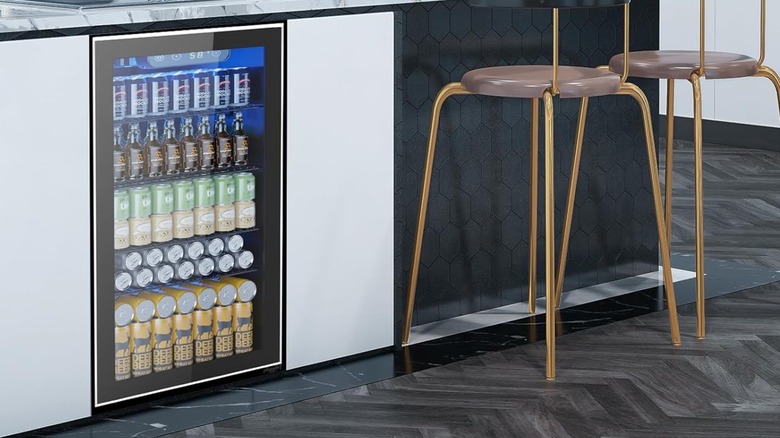
The social aspect of gaming is often overlooked. If you're building a space for friends, a dedicated refreshment area is one of the essential arcade room accessories for adults. However, you cannot just throw a standard kitchen fridge into a game room. You have to consider noise. A loud compressor will ruin the chiptune music and sound effects that make retro gaming so immersive. The Electactic Beverage Refrigerator is rated at under 38dB, which is whisper-quiet.
This fridge can hold up to 120 cans, ensuring you never have to leave the room in the middle of a session. It features a glass front and blue internal LED lighting that fits perfectly with the neon aesthetic of the rest of your home arcade setup. From a maintenance perspective, these retro gaming room essentials keep the heat-generating electronics (like your consoles and PCs) separate from your cooling needs. It’s a professional touch that turns a hobby room into a legitimate entertainment lounge.
5. Layout & Ergonomics: Space Planning Basics
Building a great room is about more than just buying stuff; it’s about space planning. According to interior design standards for gaming, you should maintain at least a 90cm walkway clearance. This ensures that when two people are playing side-by-side at a cabinet, a third person can walk behind them without bumping into their elbows. If you are short on floor space, look into bartop cabinets. These offer the same joystick controllers and screen quality as full-sized units but sit on existing desks or counters.
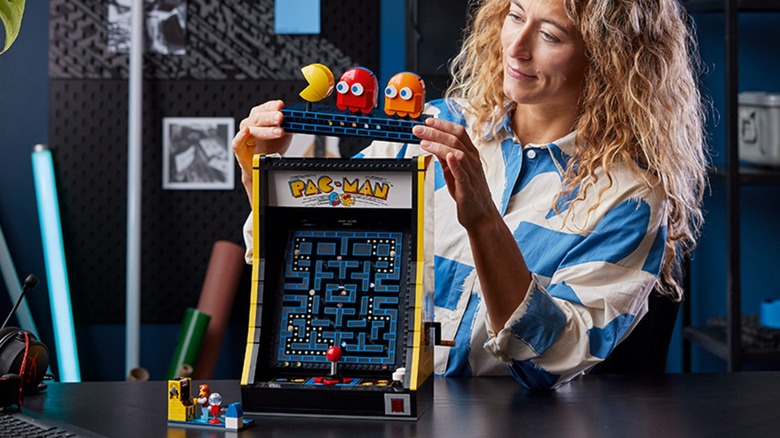
For the diy retro arcade cabinet for beginners, pay attention to your electrical load. A room with five arcade machines, a fridge, and a PC can pull significant power. I recommend using high-quality surge protectors for every machine. To add a final personal touch, consider the LEGO Icons Pac-Man set. It's a fun afternoon project that results in a beautiful display piece for your shelves, bridging the gap between a DIY project and high-end decor. It’s these small details that make your diy retro arcade guide come to life.
As the market continues to grow—with the global home arcade cabinet market projected to reach $5.6 billion by 2034—we are seeing a massive resurgence in physical hardware. It’s no surprise that cumulative sales of the Raspberry Pi, a foundational component for many custom builds, surpassed 61 million units recently. Whether you are one of the 26.7 million Americans actively engaging in retro gaming or just a casual fan, these products provide the perfect entry point.
FAQ
How much does it cost to build a home arcade?
A basic home arcade setup can start around $500 for a single high-quality cabinet and some basic lighting. However, most enthusiasts spend between $1,500 and $3,000 to create a fully immersive room with multiple machines, professional lighting, and refreshment areas.
What equipment is needed for a home arcade setup?
The core equipment includes at least one arcade cabinet (full-size or bartop cabinets), specialized lighting like ambient LED strips, and a sound system or acoustically tuned room. Additional essentials include surge protectors, comfortable seating for console play, and themed decor to establish the atmosphere.
How much space is required for a home arcade room?
While you can fit a single machine in a corner, a dedicated room should ideally be at least 10x10 feet. This allows for the 90cm clearance rule for walkways and space for a refreshment zone. For small space retro game room layout ideas, focus on vertical storage and portable consoles.
Is it better to buy a pre-built arcade cabinet or build your own?
Buying a pre-built unit like an Arcade1Up is better for those who want a "plug-and-play" experience with official licenses and polished artwork. Building your own is ideal for hobbyists who want to use a Raspberry Pi to run thousands of games via emulation software, though it requires more technical skill and time.
What lighting is best for a home arcade setup?
The best lighting is a combination of ambient LED strips behind machines to reduce glare and neon signs for aesthetic character. Avoid bright overhead lights, as they create reflections on the cabinet screens. Smart lighting that can change colors to match the game being played offers the most immersive experience.