Quick Facts
- CVT Replacement Cost: Expect to pay between $5,000 and $7,000 for a full unit swap.
- Preventative Service Cost: Regular fluid exchanges typically range from $150 to $400.
- Critical Fluid Requirement: Third-generation (Z52) models must use Nissan Genuine NS-3 fluid only.
- AWD Vulnerability: Front-right axle seals on 2015–2017 models are prone to leaks (refer to TSB NTB17-003).
- Reliability Sweet Spot: Used buyers should prioritize models produced between 2018 and 2024.
- 2025 Redesign: Nissan is replacing the JATCO CVT with a traditional nine-speed automatic transmission.
Nissan Murano reliability has been a topic of debate for years, primarily due to concerns over its JATCO CVT and potential AWD transfer case leaks. While the Murano offers a smooth ride and premium interior, proactive maintenance is the only way to avoid catastrophic repair bills. To maximize Nissan Murano reliability and extend CVT life, owners must prioritize regular fluid changes using genuine NS-3 transmission fluid and monitor for 'judder' symptoms.
Understanding CVT Issues: The Shudder and the Solution
The heart of the Nissan Murano transmission problems lies in the design of the Continuously Variable Transmission (CVT) manufactured by JATCO. Unlike a traditional gearbox with fixed gears, the CVT uses a steel drive belt and a system of variable pulleys to provide infinite gear ratios. While this design is excellent for fuel efficiency and smooth acceleration, it is notoriously sensitive to heat and fluid degradation.
One of the most common Nissan Murano CVT transmission shudder symptoms is a vibration felt at low speeds or during light acceleration, often referred to by technicians as 'judder.' This sensation occurs when the steel drive belt slips momentarily on the pulleys. If you feel this, it is often a sign that the fluid has lost its viscosity or the valve body replacement is necessary to restore proper hydraulic pressure.
Ignoring these early warning signs can lead to the transmission entering 'limp mode,' where the vehicle limits power to protect the hardware. Consistent maintenance prevents fluid oxidation and protects the internal steel drive belt and pulley system from premature wear. In many cases, early detection of a shudder can be resolved with a software update or a fresh batch of NS-3 transmission fluid, rather than a full mechanical overhaul.
AWD Transfer Case Leaks: TSBs and Prevention
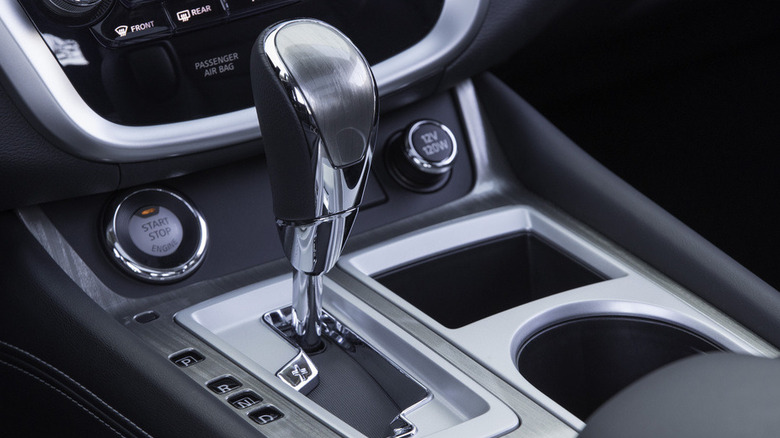
For those driving All-Wheel Drive (AWD) variants, particularly those from the early third-generation (2015–2017), a specific mechanical vulnerability exists where the front axle enters the transfer case. A Nissan Murano transfer case leak is often subtle at first—perhaps a few drops of amber or dark oil on the driveway—but it can quickly lead to a dry transfer case and total mechanical failure.
Nissan issued several Technical Service Bulletins (TSBs) to address this, most notably NTB17-003 and NTB21-094B, which focuses on transmission or gear oil leaks from the front passenger side drive shaft oil seal. Addressing these leaks promptly by replacing the axle seals is essential to prevent costly damage to the transfer case assembly.
Technical Call-out: Vital TSBs for Murano Owners
- TSB NTB17-003: Addresses AWD transfer case leaks specifically at the axle seal interface.
- TSB NTB21-094B: Covers drive shaft oil seal leaks on 2014–2024 AWD models.
- Software Updates: Many "shudder" issues are addressed by recalibrating the CVT control logic via a dealership update.
Preventing Nissan Murano transfer case fluid leaks requires a visual inspection during every oil change. If you spot fluid weeping around the passenger-side axle, do not wait. Replacing a seal is a few hundred dollars; replacing a seized transfer case can easily double that figure.
Master Maintenance Schedule: Fluid and Heat Management
The secret to how to make Nissan Murano CVT last longer is remarkably simple: ignore the "lifetime fluid" marketing and stick to a strict service interval. Heat is the primary enemy of the VQ35DE engine's partner. Under high temperatures, the fluid oxidizes, losing its ability to protect the metal-on-metal contact points within the JATCO CVT.
Nissan recommends changing the CVT transmission fluid every 60,000 miles under normal conditions, but the interval is reduced to 30,000 miles for vehicles subject to severe use, such as heavy city traffic or towing. If you live in a particularly hot climate or frequently sit in stop-and-go traffic, the 30,000-mile rule is your best insurance policy.
| Service Item | Preventative Cost | Failure Replacement Cost |
|---|---|---|
| CVT Fluid Service (NS-3) | $150 - $400 | $5,000 - $7,000 |
| AWD Transfer Case Seal | $300 - $600 | $2,500 - $4,000 |
| ABS Actuator Inspection | $100 (Inspection) | $1,200+ |
When performing Nissan Murano CVT maintenance, ensure your mechanic uses only Nissan Genuine NS-3 fluid for Z52 models. Using older NS-2 fluid or "universal" fluids can lead to incorrect friction coefficients, causing the belt to slip and accelerating wear. For owners in extreme climates, installing an aftermarket transmission oil cooler can further lower operating temperatures and extend the life of the internal components significantly.
Generational Roadmap: Best and Worst Murano Years
If you are in the market for a used vehicle, understanding the Z52 generation timeline is vital for long-term satisfaction. Not all years were created equal, and some models carry significantly higher risks of the dreaded Nissan Murano ABS actuator leak symptoms, which can lead to an internal short and even a fire risk.
- Years to Avoid (2004, 2009, 2015): The 2004 and 2009 models were plagued by early-generation CVT failures. The 2015 model, being the first year of the Z52 generation, suffered from "first-year blues," including transfer case leaks and ABS actuator recalls.
- The Reliability Sweet Spot (2018–2024): By 2018, Nissan had refined the CVT tuning and improved the durability of the seals. These models also benefit from updated safety tech and fewer NHTSA recalls regarding the braking system.
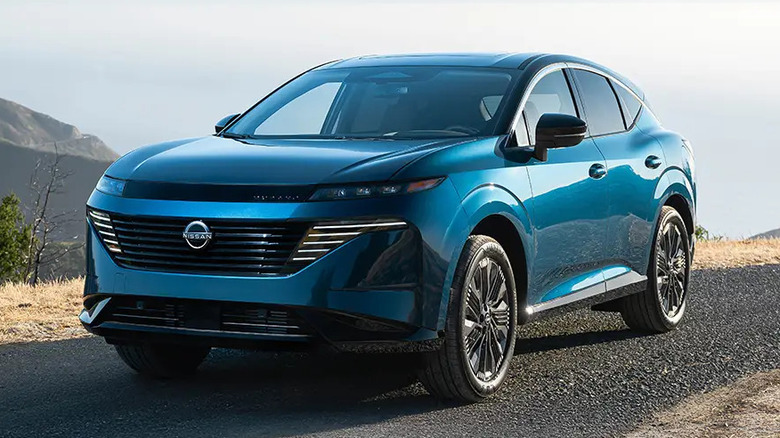
- The New Era (2025+): The 2025 redesign represents a major pivot. By comparing Nissan Murano CVT vs 9 speed automatic reliability, the latter is expected to offer much better long-term durability for owners who plan to keep their cars past the 100,000-mile mark.
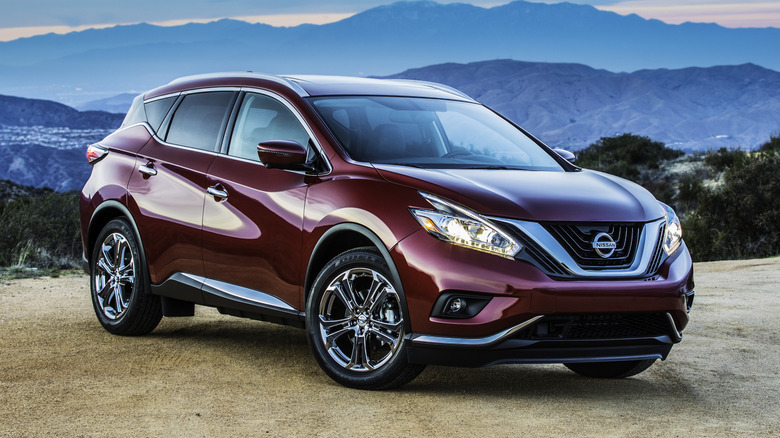
When searching for the best years for used Nissan Murano reliability, 2018–2024 stands out. These vehicles have had the majority of the "shudder" issues ironed out through production-line improvements and software refinements. However, even with a late-model Murano, the cost of Nissan Murano CVT fluid replacement is a small price to pay to avoid the catastrophic $5,000+ failure later in the vehicle's life.
FAQ
Is the Nissan Murano a reliable SUV?
The Nissan Murano is generally reliable if maintained strictly, but it is less "forgiving" than competitors with traditional automatic transmissions. Its reliability hinges almost entirely on how frequently the CVT fluid was changed and whether AWD leaks were addressed early.
What are the most common problems with the Nissan Murano?
The most frequent issues include CVT "judder" or shuddering, AWD transfer case fluid leaks at the axle seals, and potential ABS actuator leaks on 2015-2018 models which can pose a fire risk.
Which Nissan Murano years should I avoid?
It is best to avoid 2004, 2009, and 2015 models. These years represent either the start of a new generation or periods where transmission failure rates were statistically higher than average.
Does the Nissan Murano have CVT transmission issues?
Yes, the Murano utilizes a JATCO CVT that has faced criticism for "judder" symptoms and premature wear. However, many of these issues are mitigated in the 2018–2024 models through better software and improved components.
Are there any major recalls for the Nissan Murano?
Several significant recalls have occurred, most notably involving the ABS actuator on 2015-2018 models. This recall is critical because a leaking actuator can drip fluid onto internal circuit boards, potentially causing an engine compartment fire.
The Nissan Murano remains a stylish, comfortable, and capable crossover, but it is a vehicle that demands an "active" ownership style. By monitoring for leaks, sticking to a 30,000-mile fluid interval, and choosing a 2018 or newer model, you can enjoy the premium Murano experience without the fear of a looming repair bill. Stay ahead of the maintenance, and your Murano will reward you with years of smooth, quiet miles.