Quick Facts
- Critical Window: Mold begins to grow and colonize on wet building materials within 24 to 48 hours of exposure to moisture following a flood.
- Property Damage: A single inch of water can lead to over $25,000 in structural damage if not addressed immediately.
- The 10-Sq-Ft Rule: Any visible mold growth exceeding 10 square feet typically requires professional remediation rather than DIY cleaning.
- Humidity Goal: To prevent secondary mold growth, indoor relative humidity must be kept below 50% using industrial dehumidifiers.
- Insurance Deadline: Homeowners generally have 60 days to submit a Proof of Loss to the National Flood Insurance Program (NFIP).
- Prevalence: An estimated 47 percent of residential buildings in the United States harbor some form of mold or dampness, a figure that spikes after major flooding events.
Mold begins proliferating within 24 to 48 hours of water exposure, often spreading unseen through drywall, insulation, and subflooring. A professional flood mold inspection is critical because it identifies hidden moisture pockets and microbial growth that are not visible to the naked eye, ensuring your home is truly safe for occupancy.
The 24-Hour Clock: Why Immediate Post-Flood Mold Assessment is Critical
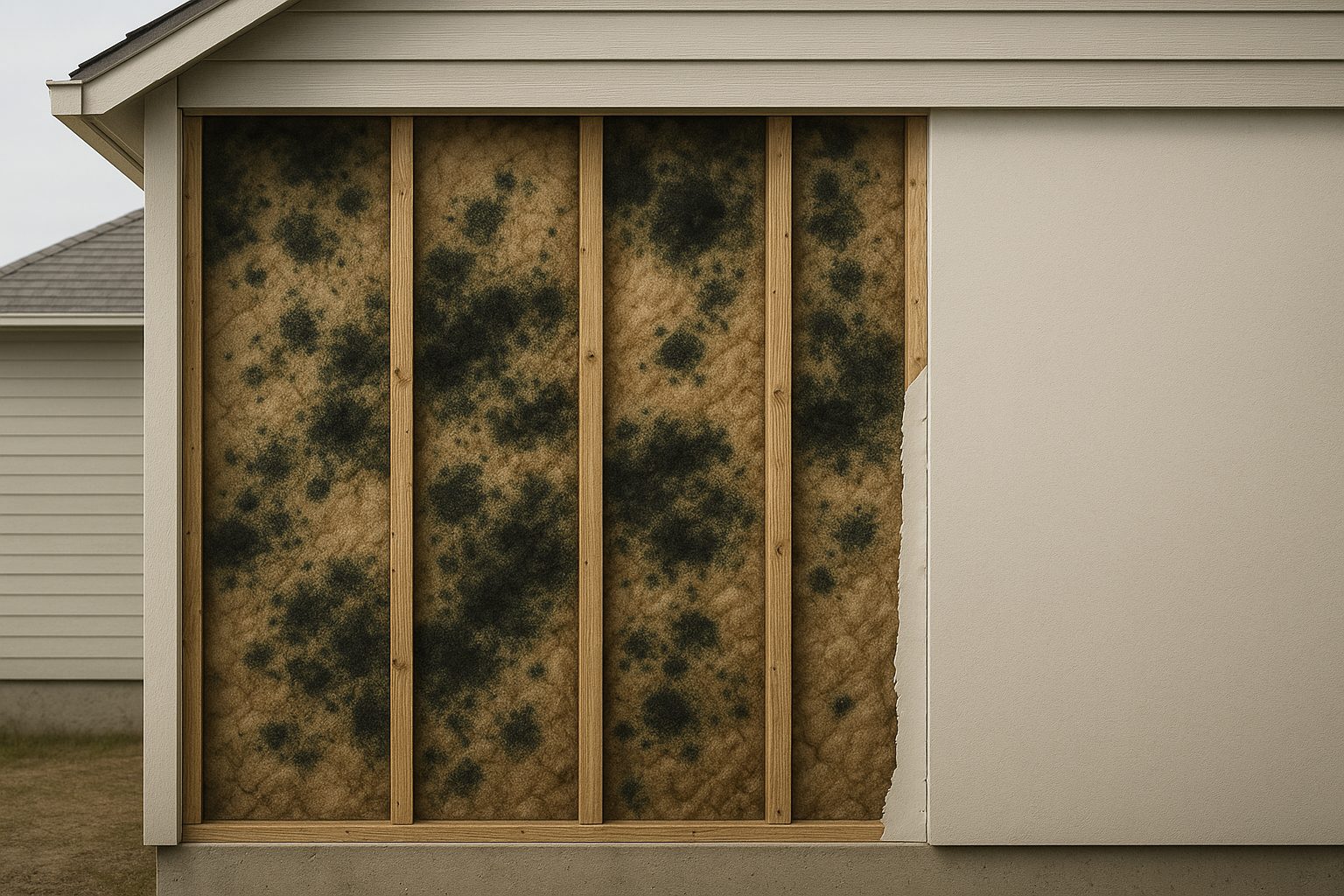
When the water finally recedes, the clock is already ticking. Most homeowners assume that once the standing water is pumped out and the floors look dry, the danger has passed. However, the biological reality of mold is far more aggressive. Within that initial two-day window, spores find sanctuary in porous building materials like your drywall, fiberglass insulation, and wooden wall studs. These materials act as wicks, pulling water upward and trapping it in dark, unventilated cavities.
The timeframe for mold inspection after home flooding is narrow because microbial growth does not wait for an insurance adjuster to arrive. If you delay a post-flood mold assessment, you are essentially allowing a colony to establish itself deep within the structural bones of your home. Even if you run fans, standard household equipment often fails to reach the moisture trapped in water intrusion pathways behind your baseboards or under kitchen cabinetry.
Professional inspectors emphasize that drying out a home is a scientific process, not just a matter of ventilation. Without a thorough check, you might paint over a problem that will eventually resurface as a structural failure or a chronic health hazard. Identifying these threats early is the only way to stop the transition from a simple water-dry-out to a full-scale environmental remediation project.
Beyond the Naked Eye: Using Tech to Find Hidden Mold
One of the most dangerous misconceptions after a flood is that if you cannot see mold, it isn't there. In reality, the most toxic colonies often thrive where you least expect them. This is where advanced diagnostic technology becomes indispensable. Experts utilize thermal imaging cameras to detect temperature differences in your walls. Since wet materials are typically cooler than dry ones, these cameras reveal hidden moisture plumes that would otherwise remain invisible.
Beyond wall cavities, moisture mapping is used to track the movement of water through the subflooring and structural supports. Even if your carpet feels dry to the touch, the wooden boards beneath it could still be holding enough water to support a massive colony of Stachybotrys, often known as black mold. Furthermore, you must consider the signs of hidden mold in HVAC systems after water damage. Floodwaters often carry silt and organic debris into floor vents, turning your air ducts into a distribution system for spores once the air conditioner is turned back on.
Understanding how to find mold behind walls after flooding requires more than just a flashlight; it requires moisture meters that can penetrate surfaces to provide a digital reading of the water content inside. If the moisture levels remain high, the risk of mycotoxins—toxic substances produced by certain molds—increases exponentially. A comprehensive inspection documents these findings, providing a scientific roadmap for exactly which materials need to be removed and which can be salvaged.
The Case for Independent Mold Testing
When you are facing thousands of dollars in repairs, it is tempting to hire a "one-stop-shop" company that offers both testing and cleanup. However, this creates a significant conflict of interest. If a company stands to profit from a $20,000 remediation job, they have a financial incentive to find mold, even where it might not exist—or worse, they may overlook areas to finish the job faster.
This is why independent mold testing benefits the homeowner by providing a neutral, third-party perspective. These specialists do not perform remediation; they only provide the data. They follow the IICRC S520 standards, which are the industry gold standard for professional mold remediation and assessment. By separating the diagnosis from the treatment, you ensure that the remediation protocol developed for your home is based on science rather than sales targets.
| Feature | Independent Mold Inspector | Full-Service Remediation Firm |
|---|---|---|
| Primary Goal | Unbiased data & safety verification | Cleanup and structural repair |
| Conflict of Interest | None; they do not perform the cleanup | High; they profit from the repairs they find |
| Technology Used | Infrared, air sampling, moisture mapping | Demolition tools, fans, HEPA scrubbers |
| Best For | Insurance claims and final clearance | Physical removal of damaged materials |
| Documentation | Legal-grade lab reports | Work logs and invoices |
Independent data is also much harder for insurance companies to dispute. When an industrial hygienist or a certified inspector provides a report showing elevated spore counts, it serves as objective evidence that the indoor air quality is compromised, forcing the insurer to acknowledge the necessity of the cleanup.
Mold Inspection for Insurance Claims: Securing Your Payout
Navigating the financial aftermath of a flood is often as stressful as the flood itself. Professional mold remediation costs for a single-family home typically range from $1,223 to $3,755, but if the mold is allowed to spread throughout the entire house, those costs can skyrocket to between $10,000 and $30,000. To ensure these costs are covered, a flood mold inspection is your most powerful tool.
Insurance adjusters look for reasons to deny claims, and "preventable mold" is a common excuse. If they believe you didn't act quickly enough to dry the property, they may refuse to pay. A professional report serves as a timestamp, proving you took immediate action. During the inspection, make sure the technician documents the floodwater line—the highest point the water reached—as this determines the "splash zone" where mold is most likely to grow behind the walls.
Guru Alert: The 60-Day Deadline
If you have a policy through the National Flood Insurance Program (NFIP), you generally have only 60 days from the date of the flood to submit your Proof of Loss. This document must include detailed estimates and professional assessments. Waiting until day 45 to call an inspector is a high-risk gamble that could leave you paying for remediation out of pocket.
When the inspector arrives, ask them to help you preserve physical evidence. This might include taking 1x1 foot samples of contaminated carpet or padding. While you should remove wet items to prevent further growth, keeping these samples—along with the laboratory air sampling results—ensures you have the evidence needed to validate your claim even after the damaged materials have been hauled to the landfill.
DIY vs. Professional: Knowing When to Step Back
It is a common sight after a flood: homeowners in masks and gloves, scrubbing walls with bleach. While the intention is good, this can often do more harm than good. Bleach is mostly water; while it kills mold on the surface, the water penetrates porous materials and can actually feed the roots of the mold inside the wood.
You should apply the 10-square-foot rule: if the affected area is larger than a standard bath towel, you need a professional. Beyond the size of the growth, you must consider the health symptoms of post-flood mold exposure. Many homeowners report unexplained headaches, persistent coughing, or skin irritation after returning to a flooded home. These are often signs that microbial volatile organic compounds and spores are circulating in the air.
In cases of significant flooding, you are likely dealing with Category 3 "black water," which contains sewage and chemicals. This environment requires professional PPE and advanced HEPA filtration to prevent cross-contamination. Professionals use containment barriers to ensure that while they are cleaning the basement, they aren't accidentally blowing toxic spores into the upstairs bedrooms. If you are unsure about the qualifications of a technician, always have a list of questions to ask a flood mold inspector, such as their certification status and their experience with post-flood recovery.
FAQ
How soon should you get a mold inspection after a flood?
You should aim to have a professional on-site within 24 to 48 hours after the water has been removed. Mold begins to colonize almost immediately, and having an inspection early allows you to document the initial damage for insurance purposes before the growth becomes a structural or health crisis.
What is included in a professional flood mold inspection?
A comprehensive inspection includes a visual assessment, moisture mapping with specialized meters, and the use of thermal imaging cameras to find water behind walls. It also typically involves air quality testing and surface sampling, which are sent to a lab to identify specific spore types and concentrations.
Does homeowners insurance pay for mold inspections after flooding?
Whether or not an inspection is covered depends on the cause of the water damage and your specific policy. Standard homeowners insurance often excludes flood-related mold unless you have a separate flood insurance policy (like NFIP). However, if the mold is a direct result of a covered "sudden and accidental" event, the inspection is usually covered as part of the damage assessment.
What are the signs of hidden mold after water damage?
Key indicators include a persistent musty or earthy odor, warped baseboards, peeling wallpaper, or dark spots on the ceiling. Additionally, if residents experience sudden respiratory issues, watery eyes, or fatigue that improves when they leave the house, there is a high probability of hidden mold.
Is a mold inspection necessary if I do not see any mold?
Yes. Post-flood moisture often settles in subflooring, insulation, and HVAC systems where it is invisible. An inspection confirms that the drying process was successful and ensures that you aren't sealing moisture inside your walls, which could lead to rot and toxic growth months later.