Quick Facts
- Entry-level Price: High-quality audio is now accessible for around $22 with entry-level FiiO or JCally models.
- Core Function: The device acts as an external sound card to bypass noisy internal phone electronics.
- Major Benefit: Enables true lossless streaming and provides much higher volume for power-hungry headphones.
- Hardware Requirement: You will need a pair of wired headphones and a phone with a USB-C or Lightning port.
- Compatibility: These devices work seamlessly with the iPhone 15 series and most modern Android smartphones.
- Audio Support: Most budget units support hi-res audio formats up to 32-bit/384kHz or higher.
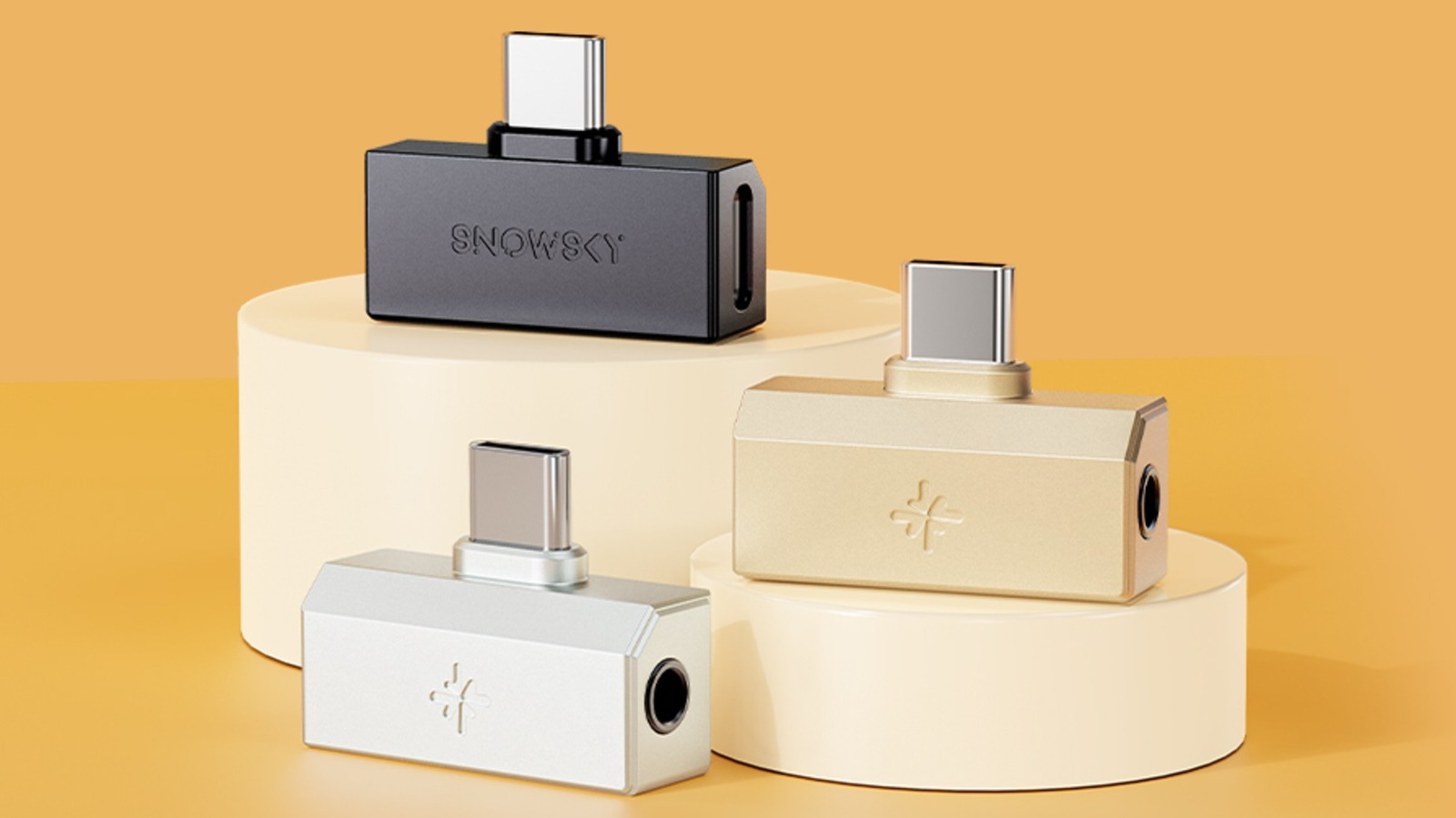
A portable DAC is a compact device that plugs into your phone to convert digital signals into high-quality analog audio, bypassing low-quality internal components to deliver clear, hi-res sound for just $22. By utilizing an external sound card rather than the cheap, integrated chips inside your handset, you can achieve a significant smartphone audio upgrade that brings back the depth and detail of your favorite tracks.
Why Your Phone Audio Sounds 'Thin' and Compressed
I have spent the better part of two decades testing everything from $50,000 floor-standing speakers to the tiny earbuds that come in the box. The most common complaint I hear from readers today is that their music sounds thin, flat, or just plain lifeless. Most people blame their headphones, but the culprit is usually sitting right in your pocket.
Modern smartphones are engineering marvels, but they are designed for thickness and battery life, not audio fidelity. When manufacturers removed the headphone jack, they also removed the dedicated space for high-quality audio processing. To compensate, internal phone chips are often capped at a 48kHz sampling rate. This means even if you are paying for a premium music subscription, your phone is likely downsampling that beautiful high-resolution file before it even reaches your ears.
Then there is the Bluetooth Bottleneck. While wireless convenience is undeniable, Bluetooth relies on data compression. Even high-end codecs like LDAC or aptX cannot perfectly replicate the raw data of a wired connection. When you transmit audio over the air, you are essentially trading away the soundstage and the fine micro-details of a recording for the sake of not having a cord. Furthermore, the internal environment of a phone is incredibly noisy. Wi-Fi antennas, 5G modems, and processors all create electrical interference that can bleed into the audio signal, resulting in a poor signal-to-noise ratio that makes the background of your music sound "fuzzy."
The $22 Solution: How a Portable DAC Fixes Everything
If you want to reclaim your listening experience without spending a fortune, the best budget portable DAC under 30 dollars is your new best friend. You might know these devices as dongles, but a true portable DAC is far more than just a wire converter.
When you plug in a high-quality USB-C DAC adapter, your phone stops trying to process the audio itself. Instead, it sends the raw digital bits out through the port. The external hardware takes over the heavy lifting of digital-to-analog conversion. This bypasses all the internal interference and the low-quality processing of the phone’s motherboard.
For about $22, devices like the FiiO KA11 or the 7Hz 71 provide a massive jump in performance compared to the standard $9 plastic adapters sold at big-box retailers. The difference between a portable DAC vs stock headphone adapter comparison is immediately apparent in the clarity of the high frequencies and the punch of the bass.
| Feature | Stock $9 Adapter | $22 Portable DAC |
|---|---|---|
| Max Sampling Rate | 48kHz (Standard) | 384kHz - 768kHz (Hi-Res) |
| Amplification Power | Low (Quiet) | High (Drive larger headphones) |
| Build Quality | Thin Plastic | Aluminum or Alloy |
| Audio Clarity | Average/Compressed | Clear/Dynamic |
Tech Deep Dive: Bit-Depth, Sampling Rates, and Power
To understand why this works, we need to look at the numbers. Most music on your phone is stored or streamed at a specific bit-depth and sampling rate. A standard CD is 16-bit/44.1kHz. However, hi-res audio for phone streaming services like Tidal or Apple Music often offers 24-bit/192kHz or higher.
A cheap internal chip is like trying to watch a 4K movie on an old tube television; the information is there, but the hardware can't show it to you. A dedicated portable DAC supports much higher bit-depth, meaning it can reproduce a wider range between the quietest and loudest parts of a song. This creates a wider soundstage, making it feel like the instruments are spread out around you rather than being crammed inside your head.
Pro Tip for High-Impedance Headphones: If you own professional studio headphones with an impedance higher than 60 ohms, your phone will likely struggle to make them loud enough. This is where the headphone amplifier stage of the portable DAC comes in. It provides the necessary voltage to drive those "heavy" drivers, giving you the volume headroom you’ve been missing.
Improving smartphone audio quality with wired headphones isn't just about the files; it’s about the power. By using a portable DAC to increase headphone volume, you aren't just making it louder—you are making it fuller. You’ll notice that the bass doesn't distort at high volumes and the vocals stay crisp because the external hardware has the power to control the headphone drivers properly.
How to Set Up Your Smartphone Audio Upgrade
Setting up your mobile high-fidelity rig is remarkably simple, but there are a few settings you need to check to ensure you are getting the full benefit of your $22 investment.
Hardware Checklist
- The Source: A smartphone with a USB-C or Lightning port.
- The Bridge: A portable DAC (ensure it has the correct connector for your phone).
- The Output: A pair of wired headphones or In-Ear Monitors (IEMs).
- The Software: A music app that supports lossless streaming (Apple Music, Tidal, Qobuz, or Amazon Music HD).
If you are looking for a portable DAC for iPhone 15 USB-C audio, the process is mostly plug-and-play. Apple’s latest phones handle external audio devices very well. However, you must go into your Settings > Music > Audio Quality and ensure that "Hi-Res Lossless" is turned on for both Wi-Fi and Cellular.
For those wondering how to use a USB-C DAC with android phone, the process can be slightly more technical. Some Android versions try to "resample" all audio to 48kHz. To bypass this, I recommend using apps like USB Audio Player Pro or ensuring that your music app has "Exclusive Mode" enabled. This allows the app to talk directly to the USB-C DAC adapter, ensuring a bit-perfect signal.
If you are worried about your battery, look for a USB-C DAC with passthrough charging for phone use. These budget-friendly models feature an extra port so you can keep your device topped up while you enjoy your high-fidelity music on a long flight or commute.
FAQ
What is a portable DAC and do I need one?
A portable DAC is an external device that converts digital audio data from your phone into an analog signal that your headphones can play. You need one if you want to listen to high-quality wired headphones on a modern phone that lacks a headphone jack, or if you want to improve the sound quality and volume of your current wired setup.
Does a portable DAC really improve sound quality?
Yes, it significantly improves sound quality by bypassing the cheap, interference-prone internal components of your smartphone. It provides better clarity, a wider soundstage, and supports higher resolution audio files that standard internal hardware or Bluetooth connections cannot reproduce accurately.
Can I use a portable DAC with my smartphone?
Almost every modern smartphone is compatible with a portable DAC. If you have an iPhone 15 or a recent Android device, you can use a USB-C model. For older iPhones, you will need a DAC with a Lightning connector. Most are plug-and-play and require no special software for basic operation.
Do portable DACs drain your phone battery?
Because they are powered by the phone's port, they do use some battery. However, budget-friendly portable DAC models are generally very efficient. You might notice a 5% to 10% faster battery drain during long listening sessions, but this is a small trade-off for the massive jump in audio performance.
How do I connect a portable DAC to my device?
Simply plug the DAC into your phone's charging port (USB-C or Lightning) and then plug your wired headphones into the 3.5mm jack on the other end of the DAC. Your phone should automatically recognize the device as an external sound card and begin routing audio through it immediately.
If you have been feeling like your music has lost its "magic" in the transition to streaming, this $22 upgrade is the single most impactful change you can make. It is time to stop settling for thin, compressed sound and start hearing your favorite albums the way the artist intended.