Quick Facts
- Recommended Octane: 87-89 regular unleaded gasoline.
- Ethanol Limit: Maximum 10% (E10), though 0% is highly preferred.
- Shelf Life: 30 days for standard pump gas before degradation begins.
- The 'Real' Premium: Ethanol-free gas is the only fuel upgrade truly worth the extra cost.
- Mixing: Most 2-stroke engines require a precise 50:1 gas-to-oil ratio.
- Storage: Drain fuel or use pre-mixed options for winter storage to prevent clogs.
The best weed eater fuel is 87-octane gasoline with 10% or less ethanol. However, for maximum engine life and easier starts, using ethanol-free gas for small engines is the superior choice to prevent corrosion and carburetor clogs.
Stop the Octane Myth: Why Premium Gas is a Waste
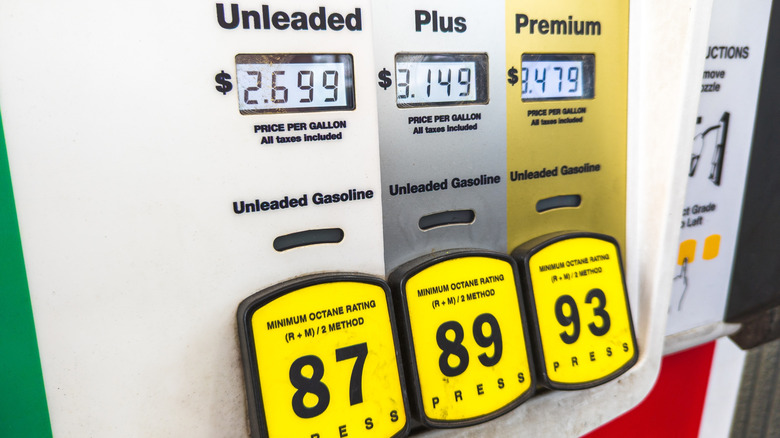
Walk into any gas station, and you are faced with a choice that feels like a trap. There is regular, mid-grade, and the shiny, expensive premium pump. If you love your equipment, your instinct might be to reach for the high-octane stuff. You might think, "My trimmer works hard, so it deserves the best gasoline for weed eater performance." I am here to tell you to put the nozzle back. You are essentially throwing money into the grass.
The weed eater fuel octane rating you actually need is usually 87. High-octane fuel (91 or higher) is engineered for high-compression engines found in sports cars or luxury SUVs. These engines generate intense heat and pressure, and they need fuel that resists detonating too early. Your weed eater, on the other hand, is a low-compression, air-cooled machine. It does not have the internal environment required to reap the benefits of premium fuel. Using it provides zero extra horsepower and zero extra cleaning power.
Think of it like this: feeding premium gas to a string trimmer is like putting racing tires on a wheelbarrow. It looks fancy, and it costs more, but the wheelbarrow isn't going any faster. In fact, because the design of many 2-stroke engines used in equipment like weed eaters can result in up to 25 percent of the fuel being exhausted without undergoing combustion, you are literally spitting that expensive premium fuel right out of the muffler and into the atmosphere. Save that $0.90 per gallon for a better string line or a pair of high-quality work gloves.
The Ethanol Problem: Phase Separation Explained
While octane ratings are a distraction, the real enemy hiding in your gas tank is ethanol. Most gasoline sold at the pump today is E10, meaning it contains 10% ethanol. In your car, this is fine because you burn through a tank in a week or two. In a string trimmer that sits in a humid garage for three weeks between uses, ethanol is a ticking time bomb.
The primary issue is that ethanol is hygroscopic, meaning it acts like a sponge for moisture in the air. When enough water is absorbed, a chemical disaster occurs called phase separation. The ethanol and water bond together and sink to the bottom of the tank, leaving a layer of low-quality, "watered-down" gas on top. If you have a 2-stroke engine, this is even worse. The oil you mixed into the gas will often stay with the ethanol-water layer, meaning your engine might try to run on pure, unlubricated gas. This is a fast track to a seized engine and a $200 repair bill.
You should know that ethanol-blended gasoline typically has a shelf life of only 1 to 3 months before moisture absorption and phase separation can lead to engine performance issues. If you are noticing symptoms of bad fuel in a string trimmer—like the engine dying when you give it gas, or a trimmer that refuses to stay idling—you are likely dealing with the aftermath of ethanol.
Furthermore, there is a power difference to consider. Pure gasoline is approximately 30 percent more energy-dense than ethanol, which means ethanol-free gas for small engines benefits you by providing more "oomph" per stroke. It also keeps your internal components safe from the corrosive nature of alcohol, which eats away at rubber fuel lines and plastic primer bulbs.
Warning: Avoid E15 and E85! Never use gasoline containing more than 10% ethanol (like E15 or E85) in your outdoor power equipment. Most small engines are not designed to handle these higher concentrations, and using them will often void your manufacturer's warranty and cause immediate engine damage.
DIY Mixing vs. Pre-mixed Fuel: A Cost-Benefit Analysis
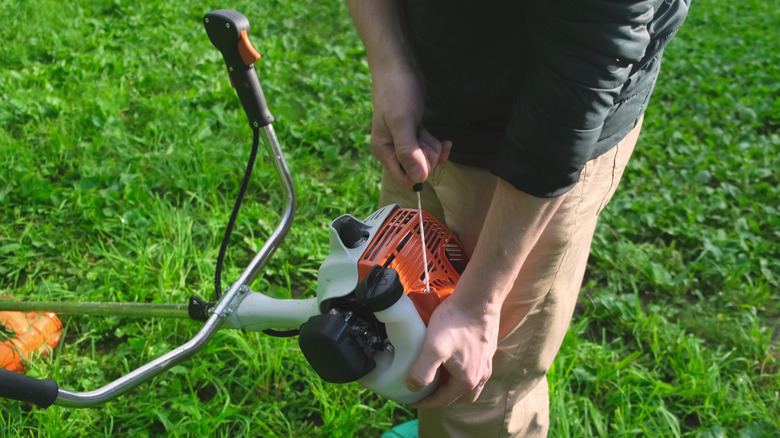
If you have a 2-stroke trimmer, you have two choices: mix it yourself or buy the "canned" stuff. At first glance, the price of pre-mixed fuel looks insane. Why would you pay $20 for a gallon of fuel when you can make it yourself for about $5? It comes down to what I call the "Repair Insurance Policy."
When you mix your own weed eater fuel, there are three common failure points:
- You use stale gas that has already started to degrade.
- You get the mixing ratio wrong (too much oil fouls the plug; too little oil kills the engine).
- You use a gas can that has dirt or water in the bottom.
Pre-mixed fuel solves all of these problems. It is 99.9% ethanol-free, features a shelf life of up to two years once opened, and the oil-to-gas ratio is chemically perfect. For a professional landscaper using five gallons of fuel a week, the cost of pre-mixed fuel is prohibitive. But for a homeowner who only uses two gallons a season? The extra $30 spent on fuel is a bargain compared to the cost of a new carburetor or a Saturday afternoon spent watching YouTube videos on how to rebuild a fuel system.
| Feature | Pump Gas (Self-Mix) | Pre-mixed Fuel (Canned) |
|---|---|---|
| Initial Cost | Low (~$4-$5 per gallon) | High (~$20-$25 per gallon) |
| Shelf Life | 30 - 90 Days | 2 - 5 Years (Unopened) |
| Ethanol Content | Usually 10% (E10) | 0% (Ethanol-Free) |
| Risk of Error | High (User error in mixing) | Zero (Ready to pour) |
| Best For | Daily professional use | Occasional homeowner use |
Maintenance & Storage: Keeping Your Fuel Fresh
Even the best gasoline for weed eater use will fail if you don't respect the 30-day rule. If you choose to mix your own fuel, only buy what you can use in a month. If you have leftovers, pour them into your car's gas tank (the small amount of 2-cycle oil won't hurt a 15-gallon tank of automotive gas) and start fresh next month.
If you must store fuel longer, a high-quality fuel stabilizer is mandatory. This chemical additive slows down the oxidation process and helps prevent the fuel from turning into a sticky varnish that clogs the tiny passages in your carburetor. However, even a stabilizer cannot stop phase separation once it has started.
When it comes to winter storage, you have two schools of thought. The first is to completely drain the tank and run the engine until it dies, ensuring no fuel remains in the carburetor. The second, which I prefer, is to fill the tank with a high-quality ethanol-free pre-mixed fuel and run it for five minutes. This leaves the fuel lines and carburetor coated in stable, non-corrosive fuel, preventing the seals from drying out and cracking over the winter.
Knowing how to tell if weed eater gas is bad is also vital. Fresh gas smells like, well, gas. Old fuel starts to smell sour, like old paint thinner or varnish. If the liquid looks cloudy or has visible droplets of water at the bottom of the container, do not put it in your machine.
FAQ
What type of gas does a weed eater use?
Most weed eaters use 87-octane regular unleaded gasoline. If it is a 2-stroke engine, this gas must be mixed with 2-cycle oil at a specific ratio (usually 40:1 or 50:1). If it is a 4-stroke engine, you use straight gasoline, just like a lawnmower or a car.
What is the correct fuel-to-oil ratio for a weed eater?
The most common ratio is 50:1 (2.6 ounces of oil per gallon of gas) or 40:1 (3.2 ounces of oil per gallon of gas). You must check your specific owner's manual or the label on the gas cap, as using the wrong ratio can lead to excessive smoke or engine failure.
Is it better to use ethanol-free gas in a weed eater?
Yes, it is significantly better. Ethanol-free gas does not attract moisture, has a longer shelf life, and is less corrosive to the plastic and rubber parts inside the fuel system. It is the best way to ensure easy starts and long-term reliability.
How long can weed eater gas sit before it goes bad?
Standard pump gas containing 10% ethanol begins to degrade in as little as 30 days. After 90 days, it is highly likely to cause performance issues or starting difficulties. Ethanol-free fuel or pre-mixed fuels can last much longer, often up to two years.
Can you use premixed fuel in any weed eater?
You can use pre-mixed fuel in any 2-stroke weed eater as long as the mixing ratio on the can matches the requirements of your engine. You can also buy "straight" ethanol-free pre-mixed fuel (without oil) for 4-stroke weed eaters to enjoy the same shelf-life benefits.
The Bottom Line
Taking care of your equipment doesn't have to be expensive, but it does require being smart about what you pour into the tank. Stop wasting money on premium high-octane fuels that do nothing for your trimmer's performance. Instead, redirect those funds toward finding a station that sells ethanol-free gas or investing in pre-mixed fuel for the off-season. By avoiding the pitfalls of ethanol and sticking to fresh, 87-octane fuel, you will spend less time pulling the starter cord and more time enjoying a perfectly manicured lawn.