Quick Facts
- Cost Efficiency: Consumers can achieve an average cost savings of 93% compared to purchasing mass-produced retail versions.
- Sustainability: Adopting desktop manufacturing can lead to an 90% reduction in material waste versus traditional industrial supply chains.
- Top System: The Gridfinity system is the industry-standard for modular storage and drawer organization.
- Primary Material: Use PLA for most indoor projects; switch to PETG or ASA for high-heat or moisture-heavy environments.
- Market Growth: The household segment is the largest in the market, with a 41.3% revenue share in 2025.
- Speed vs Quality: Functional prints benefit from 0.2mm to 0.28mm layer heights for a balance of speed and structural integrity.
The most effective functional 3d prints for home organization include modular Gridfinity bins, wall-mounted tool holders, and custom cable management clips. These projects allow for precise dimensioning to fit drawers or shelves perfectly, solving specific clutter issues that mass-produced products cannot.
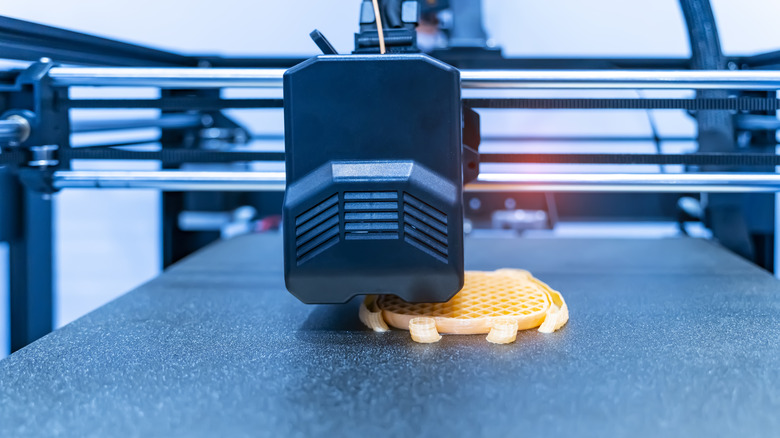
Start your home organization journey with these 16 functional 3d prints. Whether you are a beginner or a pro, these useful 3d prints for home provide cost-effective, custom solutions for every room. The rise of desktop manufacturing has shifted from simple trinkets to a powerhouse of utility. In fact, the global personal 3D printer market was valued at approximately $5.99 billion in 2024, driven by the increasing adoption of desktop models among hobbyists for DIY home organization.
Kitchen & Pantry: Streamlining Meal Prep
The kitchen is the heart of the home, but it is also the headquarters of clutter. From loose bags of snacks to mismatched spice jars, the chaos can make meal prep feel like a chore. Using best functional 3d prints for kitchen organization allows you to reclaim your countertops and maximize every square inch of your cabinets.
Customization is the biggest advantage here. Instead of buying a generic spice rack that only holds half your collection, you can design or download practical 3d prints for pantry and food storage that fit your exact dimensions. Consider these essential hacks:
- Can Stacking Rings: These allow you to stack standard 73mm cans horizontally without them rolling away. It turns unused vertical space into a high-density storage zone.
- Magnetic Bag Clips: A staple in the maker community, these clips use small recessed magnets to live on your fridge when not in use. They provide a far more secure seal than flimsy plastic clips from the grocery store.
- Rotating Spice Turntables: Custom-sized to fit your specific cabinet depth, ensuring no cumin or paprika is ever lost in the "dark zone" at the back of the shelf.
- Measuring Spoon Hangers: Mount these to the inside of your cupboard door to keep your drawers clear for larger utensils.
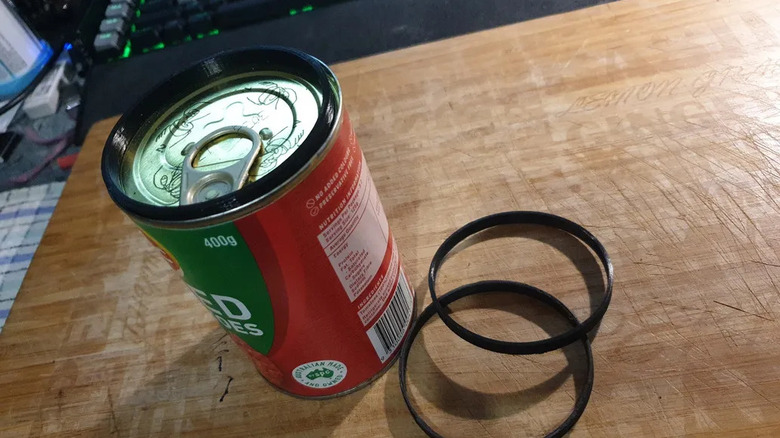
Technical Spec: Can Stacker
- Suggested Material: PLA
- Infill %: 15% (Gyroid for strength)
- Hardware Required: None
Home Office & Gaming: Mastering Cable Management
A messy desk is a major productivity killer. We have all struggled with the "cable spaghetti" that forms behind monitors and charging stations. This is where functional 3d prints for home office cable management truly shine. Unlike generic Velcro ties, 3D printed solutions can be screwed into the underside of your desk or snapped onto specific leg frames.
By focusing on these practical 3d printer projects, you can create a sleek, professional-looking environment.
- Under-Desk Cable Channels: These long, modular segments hide power strips and excess cord lengths, keeping them off the floor and away from dust.
- Screw-In Cable Clips: Designed for specific wire gauges (USB-C vs. heavy-duty power cables), these ensure that your chargers never slide off the desk when unplugged.
- Headphone Wall Mounts: A simple, elegant hook keeps your headset safe and displays it as part of your tech aesthetic.
- Controller and Tablet Stands: Custom stands provide a dedicated home for your devices, preventing scratches and saving desk real estate.
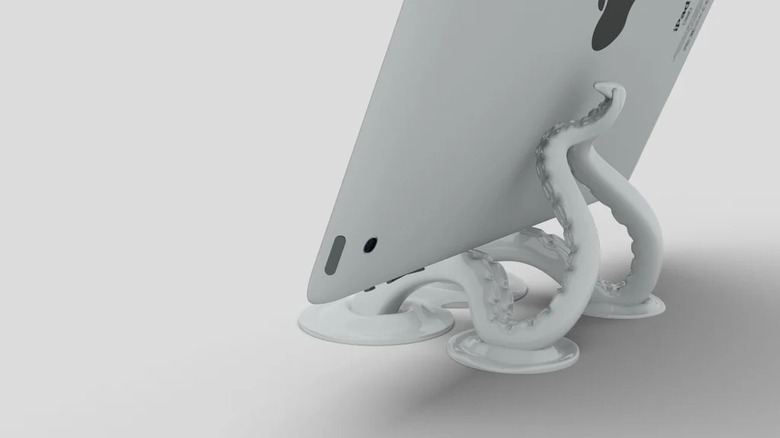
Technical Spec: Under-Desk Channel
- Suggested Material: PLA or PETG
- Infill %: 20%
- Hardware Required: M3 screws or heavy-duty double-sided tape
Bathroom & Small Spaces: Custom Storage Solutions
Bathrooms are notoriously difficult to organize because of their high humidity and limited footprint. This is where you need to be strategic about material choice. While PLA is the go-to for the office, 3d printed bathroom storage solutions for small spaces should ideally be printed in PETG or ASA to handle the heat and moisture of daily showers.
- Self-Draining Soap Dishes: Designed with a slight incline and drainage slats, these prevent your soap from turning into a mushy mess.
- Wall-Mounted Toothbrush Centers: Create a custom slot for your electric toothbrush, toothpaste, and floss, keeping the vanity clear and easy to wipe down.
- Faucet Extenders: These are great for families with toddlers, helping little hands reach the water stream without needing a bulky step stool.
- Shower Caddy Hooks: If your existing shower rack is sliding down the pipe, a custom-fitted friction clip can lock it in place permanently.
Useful 3d printed household gadgets for daily use like these often seem small, but they remove the friction from your morning routine. Just remember to clean these prints regularly, as the layer lines can trap bacteria if left in a damp environment.
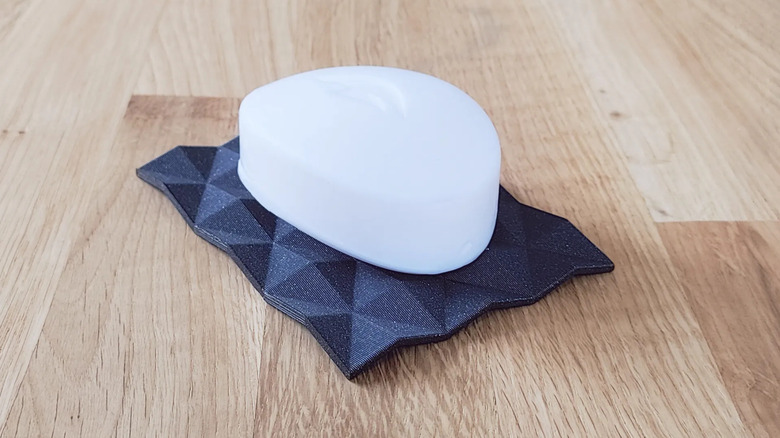
Technical Spec: Soap Dish
- Suggested Material: PETG
- Infill %: 100% (to prevent water trapped inside)
- Hardware Required: None
The Workshop: Gridfinity and Professional Gear
For the DIY enthusiast, the workshop is the ultimate playground for functional 3d prints. The gold standard here is the Gridfinity system, an open-source modular storage standard created by Zack Freedman. It uses a baseplate grid that allows you to swap bins, tool holders, and parts trays in and out with satisfying precision.
- Modular Tool Drawers: Using Gridfinity bins, you can give every screwdriver, hex key, and drill bit a specific, labeled home.
- Battery Dispensers: A gravity-fed wall mount for AA or 18650 batteries ensures you always grab the oldest ones first.
- Durable 3D Printed Shelf Brackets: While you should always be cautious of weight limits, reinforced brackets printed in PETG can hold significant loads for lightweight supplies.
- Custom Drill Holsters: Mount your power tools directly to the wall or the side of your workbench for instant access.
By utilizing the maker community resources on sites like Printables or Thingiverse, you can find Gridfinity modules for almost every tool imaginable. This level of CAD customization turns a chaotic garage into a professional-grade workspace.
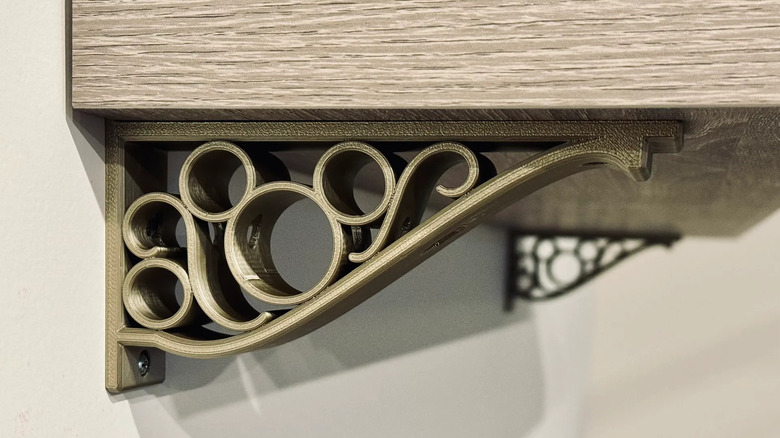
Technical Spec: Gridfinity Baseplate
- Suggested Material: PLA
- Infill %: 10-15%
- Hardware Required: 6x2mm Neodymium magnets (optional)
Material Guide: Choosing the Right Filament
Success in 3D printing isn't just about the model; it is about the physics of the plastic. If you're tackling beginner friendly practical 3d printer projects, you might start with PLA, but as you move into more demanding areas like the kitchen or garage, you need to know how to choose filament for functional 3d prints.
The following table breaks down the three most common materials used in household organization.
| Material | Heat Resistance | Durability | Best For... |
|---|---|---|---|
| PLA | Low (55°C) | High Rigidity | Office, Pantry, Decorative |
| PETG | Medium (75°C) | Flexible/Tough | Bathroom, Kitchen, Garden |
| ASA/ABS | High (95°C+) | UV Resistant | Outdoor, Automotive, High-Heat |
When printing functional parts, filament durability is key. For items that will face mechanical stress, such as shelf brackets or clips, increasing the wall count (perimeters) is often more effective than simply increasing the infill percentage. Three to four walls will make a part significantly more robust.
FAQ
What are some examples of functional 3D prints?
Functional prints are items designed for utility rather than just aesthetics. Common examples include replacement parts for appliances, custom-sized drawer organizers like Gridfinity bins, wall hooks, cable management clips, and specialized tools like center-finding gauges or sanding blocks.
What is the strongest material for functional 3D printing?
For most home users, PETG offers the best balance of strength and ease of use. However, for extreme durability and heat resistance, ASA or carbon-fiber-reinforced filaments (like CF-Nylon) are superior. These materials provide high impact resistance and can withstand environmental stressors that would cause PLA to warp or shatter.
Is PLA or PETG better for functional parts?
It depends on the environment. PLA is better for parts that need to be very stiff and won't be exposed to heat, such as desk organizers. PETG is better for functional parts that need a bit of "give" or flexibility, or those that will be used in warm environments like a car interior or near a dishwasher, as it has a higher glass transition temperature.
How can I improve the durability of my 3D printed parts?
The most effective way to improve durability is to increase the wall thickness (perimeter count) rather than just the infill. Additionally, orienting the print so that the stress is not applied along the layer lines will prevent delamination. Using a larger nozzle (like 0.6mm) can also create stronger bonds between layers.
What are the most useful 3D prints for the home?
The most useful prints are those that solve a specific "gap" in retail products. This includes custom battery dispensers, cable management systems that fit your specific desk, and modular kitchen organizers that maximize your unique cabinet dimensions. If you can't buy it at a store with the right measurements, it's a perfect candidate for 3D printing.