Quick Facts
- Market Dominance: By 2024, digital wallets accounted for 53% of global online purchase value, significantly outpacing the 20% share held by traditional credit cards.
- The Wallet-Free Movement: Approximately 20% of digital wallet users in the United States now regularly leave their homes without a traditional physical wallet.
- Mass Adoption: The number of digital wallet users worldwide is projected to reach over 6 billion by 2030, representing more than 70% of the global population.
- Security Shift: Major financial players like Mastercard are already moving toward a 16-digit card number phase-out in favor of dynamic payment tokenization.
- Platform Leaders: Apple Wallet leads for iOS users with over 500 million active accounts, while Google Wallet and Samsung Pay dominate the Android ecosystem.
- Tech Evolution: The rise of the superapp ecosystem means these apps now handle transit passes, digital government IDs, and medical bookings alongside payments.
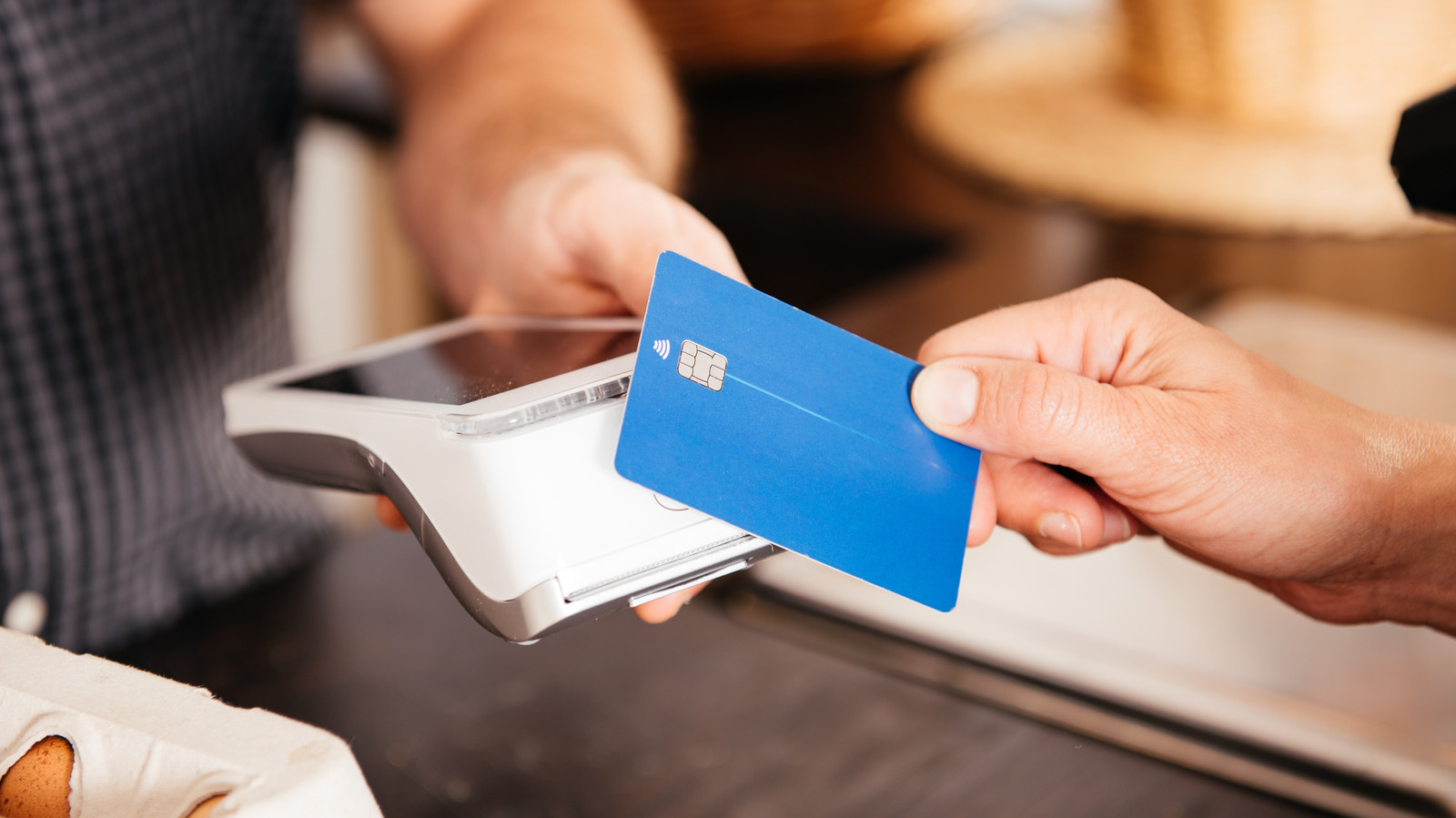
Digital wallet apps replace physical credit cards by using NFC technology and tokenization to facilitate contactless payments. These platforms allow users to store banking information, digital IDs, and loyalty cards on smartphones or smartwatches, making physical plastic redundant in a modern cashless economy.
The Death of the Physical Wallet
For years, we have been hearing about the impending death of the physical wallet. As someone who has tested every major smartphone and wearable since the early days of mobile tech, I have watched this transition move from a niche convenience to a global necessity. We are no longer just talking about carrying fewer cards; we are witnessing a fundamental shift in how we interact with the economy. When we look at how to transition from physical credit cards to digital wallet apps, the process has become incredibly streamlined. It usually starts with a simple scan of your existing plastic, which the app then verifies with your bank to create a secure digital clone.
The primary driver here is the convenience of replacing physical cards with phone apps. Why carry a bulky leather folder when your iPhone or Android device already lives in your hand? In 2024, it became clear that the tide had turned, as digital wallets reached a tipping point in market share. This trend is not just about payments; it is about the consolidation of our entire identity. Modern digital wallet apps are evolving into a central hub for our digital lives, housing everything from airline boarding passes to digital car keys.
As we move toward a future where more than 70% of the population will rely on these tools, the physical card is becoming a relic of a pre-digital age. This FinTech innovation is not just for the tech-savvy; it is a global movement toward a more efficient, cashless economy where the friction of physical currency and plastic is removed entirely.
Security Evolution: Why Digital is Safer Than Plastic
One of the most common questions I get from readers is about the safety of digital wallet transactions. It is a valid concern, but the reality is that digital wallets are significantly more secure than the plastic cards they replace. This brings us to what I call the Security Paradox. While a physical card has a static 16-digit number, an expiration date, and a CVV code printed right on it for anyone to see, digital wallet apps utilize a process called payment tokenization.
When you tap your phone at a terminal, the app does not share your actual card number. Instead, it generates a one-time digital code, or token, that is unique to that specific transaction. Even if a hacker were to intercept this code, it would be useless for any future purchases. Furthermore, the hardware itself is fortified. Modern smartphones use EAL6+ certification security chips to store sensitive data in an isolated environment that is virtually impossible to breach.
However, users must understand the safety features of digital wallet transactions compared to physical cards to stay protected. While you no longer have to worry about a "skimmer" stealing your magstripe data, you do need to practice Zero Trust security habits. This means being aware of how to protect digital wallet apps from phishing and typosquatting. Phishing involves fraudulent messages trying to trick you into giving up your account credentials, while typosquatting involves malicious apps or websites that mimic the look of official platforms. By relying on biometric authentication like FaceID or fingerprint sensors, you add a layer of defense that a piece of plastic simply cannot match.
Comparing the Giants: Best Digital Wallet Apps 2026
Choosing the right platform often depends on which ecosystem you have already invested in. Whether you are looking for the best digital wallet apps for android vs ios 2026 or something that works across multiple devices, the features have become highly competitive. Many travelers are now using digital wallet apps for international travel without physical cards because they offer better exchange rate transparency and instant fraud alerts.
| Feature | Apple Wallet | Google Wallet | Samsung Pay (Wallet) |
|---|---|---|---|
| Primary OS | iOS / watchOS | Android / Wear OS | Android (Samsung Galaxy) |
| Security Tech | Secure Enclave / FaceID | Titan M2 Chip / Biometrics | Knox Security / Biometrics |
| Unique Selling Point | Deepest hardware integration | Open ecosystem / Web integration | MST support for older terminals |
| Global Reach | Extremely High | High | Moderate |
| Superapp Status | High (IDs, Keys, Home) | High (Transit, Loyalty) | Moderate (Heavy FinTech focus) |
Apple Wallet remains the gold standard for user experience, particularly for those who appreciate the seamless handoff between an iPhone and an Apple Watch. Its expansion into digital driver's licenses and car keys has made it a leader in the move toward a total mobile commerce experience. On the other side, Google Wallet offers superior integration with Google Maps and Gmail, automatically pulling in boarding passes and event tickets from your inbox.
For those using older point-of-sale systems, Samsung Pay is still a standout because of its MST (Magnetic Secure Transmission) technology, which allows the phone to mimic the magnetic stripe of a traditional card. This is particularly useful in regions where NFC communication hasn't been fully adopted yet. We are also seeing the rise of BNPL services (Buy Now, Pay Later) being integrated directly into these wallets, allowing users to split purchases into installments with a single tap.
Beyond the Smartphone: Wearables and Web3
The evolution of digital wallet apps is not stopping at the smartphone. We are entering an era of invisible payments where the hardware becomes almost transparent. I have been spending a lot of time recently setting up a smartwatch for contactless digital wallet payments, and the freedom of leaving the house with nothing but a watch is transformative. Devices from Garmin and specialized NFC rings allow for quick taps at the grocery store or the subway turnstile without even reaching for a pocket.
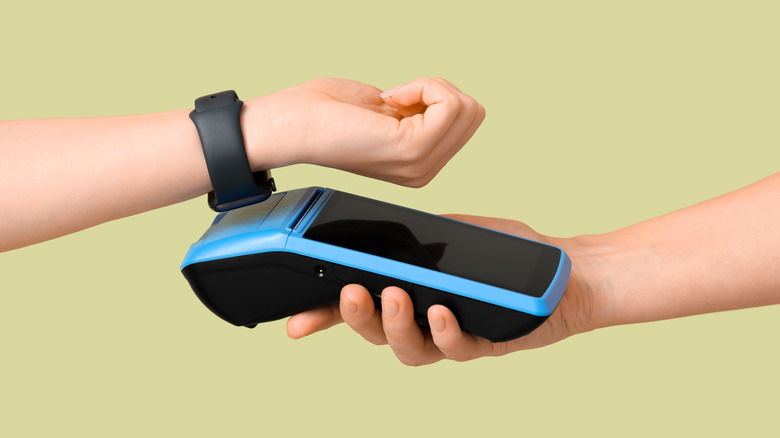
Beyond the hardware, the software is undergoing a blockchain integration. We are seeing a shift where traditional fiat currency wallets are starting to merge with Web3 tools. This allows for the storage of NFTs, crypto assets, and decentralized identity markers in the same place you keep your Starbucks card. This convergence is a major part of the broader FinTech innovation landscape, where the goal is to give the user total control over their financial data without relying on a centralized physical bank branch.
Encryption protocols are becoming more robust to handle these multi-asset environments. As we look toward the 2030 projections, the concept of a "wallet" will likely shift from a physical object to a secure, cloud-synced identity that follows you across every screen and wearable you own.
FAQ
What is a digital wallet app and how does it work?
A digital wallet app is a software application on a smartphone or wearable device that securely stores your payment card information, loyalty cards, and digital IDs. It works by using NFC communication to send a secure, encrypted token to a payment terminal. Instead of sliding a card, you simply hold your device near the reader, and the transaction is authorized via biometric authentication like a fingerprint or facial scan.
Are digital wallet apps safe to use?
Yes, they are generally considered safer than physical credit cards. They utilize payment tokenization, which means your actual card number is never shared with the merchant. Furthermore, digital wallets require a biometric check or passcode for every transaction, preventing unauthorized use if your device is lost. However, users should remain alert to digital threats such as phishing and ensure their device software is always up to date.
What are the most popular digital wallet apps available?
The most widely used digital wallet apps are Apple Wallet for iOS users, Google Wallet for Android users, and Samsung Pay for those with Samsung Galaxy devices. Other popular options include PayPal and Venmo, which have expanded their contactless payment features, and regional superapps like Alipay or WeChat Pay that dominate many Asian markets.
How do I set up a digital wallet on my phone?
To set up a digital wallet, open the pre-installed wallet app on your device (such as Apple Wallet or Google Wallet). Select the option to add a new card and use your phone's camera to scan the front of your physical credit or debit card. Follow the on-screen prompts to verify the card with your bank, which may involve receiving a text message code or using your bank's mobile app. Once verified, the card is ready for contactless use.
Can I use a digital wallet for international payments?
Absolutely. Most digital wallet apps are highly effective for international travel because they work anywhere that accepts contactless payments. They often provide real-time notifications of the transaction amount in both the local and home currency. However, it is important to ensure that the underlying credit card you have linked to the wallet does not charge foreign transaction fees to maximize your savings while abroad.
The shift toward a cashless economy is no longer a futuristic concept—it is our current reality. By embracing digital wallet apps, you aren't just shedding the weight of a physical wallet; you are stepping into a more secure, efficient, and integrated financial future. Whether you are tapping your watch at a transit gate or using FaceID to secure a high-value purchase, the era of plastic is officially coming to a close.