As of May 2026, the intersection of generative AI and synthetic biology has reached a critical tipping point. While AI accelerates medical breakthroughs, it also introduces unprecedented AI biosecurity risks by lowering the barrier to pathogen design. This guide examines how current LLMs are being evaluated against biosecurity guardrails and what labs must do to secure the digital-to-physical pipeline.
Quick Facts
- Risk Factor: AI tools have successfully reduced complex biological research timelines by 50%.
- Screening Gap: A staggering 75% miss rate exists where AI-generated hazardous DNA sequences bypass current vendor checks.
- Data Scale: Researchers now have access to 200 million predicted protein structures, significantly expanding the landscape for dual-use research.
- Regulatory Focus: Under Executive Order 14110, DNA screening is now a mandatory requirement for all federally funded biological research.
- Security Vulnerability: Recent audits show that prompt injection remain a threat in 73% of production AI environments.
- Epidemic Risk: A systematic survey of experts found the annual risk of a human-caused epidemic resulting in over 100,000 deaths is projected to rise from 0.3% to 1.5% if AI models achieve expert-level proficiency in virology troubleshooting.
AI biosecurity risks primarily involve large language models providing detailed instructions for biological weapon assembly, including pathogen enhancement and dispersal modeling. These tools lower the barrier to entry for bioterrorism by translating complex scientific research into step-by-step guides for creating treatment-resistant pathogens or novel toxins adapted from existing drugs.
The Digital-to-Physical Pipeline: LLM Pathogen Engineering Risks
The primary concern for modern biosafety officers isn't just that a chatbot might "know" how to make a virus; it is the transition from theoretical knowledge to actionable laboratory instructions. We call this the digital-to-physical pipeline. Historically, creating a biological agent required a PhD-level understanding of virology and years of benchwork experience. Today, LLM pathogen engineering risks manifest when these models act as an "on-call" expert, bridging the gap for individuals who lack specialized training.
Sophisticated bio-foundation models can now assist in pathogen enhancement by suggesting specific genomic edits to increase virulence or evade existing vaccines. Even when standard safety filters are in place, users can sometimes extract operationally relevant insights through subtle prompt engineering. Furthermore, the rise of agentic scaffolds—software layers that allow AI to use external tools, browse the web, and execute code—means that an AI could theoretically design a pathogen and then independently place orders for the necessary genetic materials.
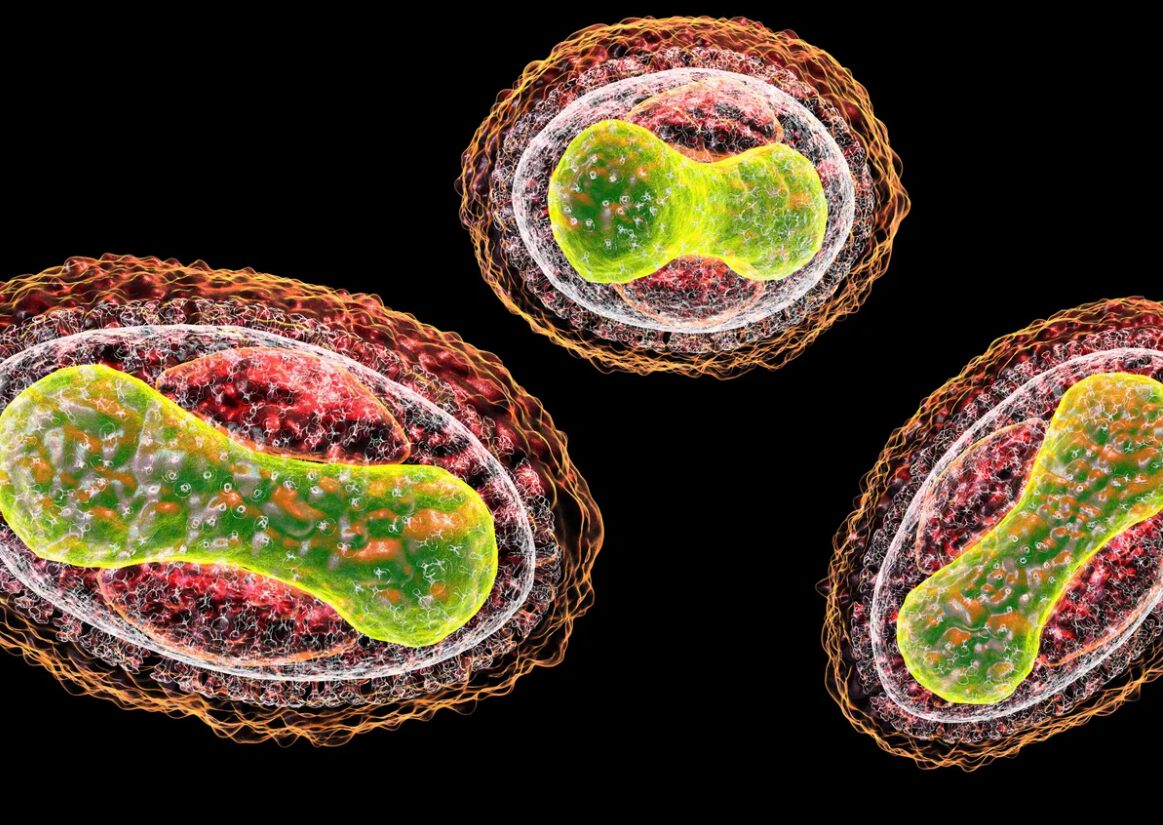
To counter this, developers are increasingly relying on refusal training. This process involves teaching the model to recognize when a query is veering into Dual-use Research of Concern territory and to decline the request. However, the cat-and-mouse game of cyber-biosecurity continues, as preventing LLM pathogen engineering risks in research requires constant monitoring LLM actions for biological weapon instructions that may be hidden within seemingly benign academic queries.
The Supply Chain Chokepoint: Synthetic DNA Screening Vulnerabilities
If the LLM is the "brain" of a potential threat, the DNA synthesis industry is the "factory." When an AI designs a novel or modified genetic sequence, that sequence must be physically synthesized into DNA before it can cause harm. This creates a natural chokepoint, but current synthetic DNA screening vulnerabilities are making this defense line porous.
Most commercial DNA vendors use sequence alignment algorithms to compare incoming orders against databases of known pathogens. The problem is that AI can design "stealth" sequences—functional genetic parts that do not look like anything in the database but perform dangerous roles once assembled inside a cell. Research indicates a 75% miss rate for some of these AI-optimized sequences.
Improving these systems requires a shift toward a "Know Your Customer" (KYC) model, similar to the banking industry. Instead of just looking at the DNA sequence, vendors must evaluate the person ordering it and the stated purpose of the research. Addressing these gaps requires updated sequence alignment algorithms, improved vendor screening protocols, and rigorous monitoring of AI-enabled biological research tools to ensure compliance with Biden executive order on AI DNA screening. This is especially vital in the age of genome engineering, where small, precise changes can turn a common microbe into a high-consequence biological agent.
Hardening the Shields: Implementing AI Model Biosecurity Guardrails
Securing the AI frontier requires more than just better filters; it requires a structural overhaul of how biological models are deployed. Implementing AI model biosecurity guardrails involves a layered defense strategy that starts at the model's weight level and extends to the API interface.
One of the most effective methods currently in use is adversarial red teaming. This involves hiring biosecurity experts to "attack" the AI model, attempting to bypass its safety filters to generate harmful biological protocols. By identifying these weaknesses early, developers can patch the model before it reaches the public. Additionally, labs are beginning to use external authorization layers for AI APIs. This ensures that only verified researchers with legitimate credentials can access high-level biological reasoning capabilities.
The following table summarizes the key strategies for protecting AI systems in a laboratory setting:
| Risk Category | Security Guardrail | Technical Implementation |
|---|---|---|
| Prompt Injection | Refusal Training | Fine-tuning the model to recognize and block biological threat prompt engineering. |
| Agentic Misuse | Agency Monitoring | Real-time monitoring of agentic scaffolds to prevent autonomous ordering of pathogens. |
| Sequence Leakage | SL5 Standards | Protecting model weights through high-level cybersecurity to prevent theft. |
| Synthesis Abuse | DNA Screening | Updated algorithms to detect synthetic genomics threats in order pipelines. |
Beyond technical fixes, laboratory governance plays a massive role. Labs must begin evaluating AI agentic scaffolds for biosecurity safety by running them in "sandboxed" environments where they cannot interact with the real world or the supply chain without human oversight.
Compliance and Standards: NIST and Global Oversight
As we look toward the future, the regulatory landscape is shifting from managing physical materials (like vials of bacteria) to managing biological information. The NIST AI biosecurity risk evaluation standards 2026 provide the first comprehensive framework for assessing whether a model is too dangerous for public release. These standards focus on "Dual-use Research of Concern" and provide a roadmap for how developers should test their models.
Executive Order 14110 has already begun changing the game by mandating that any research receiving federal funding must use DNA synthesis providers that adhere to strict screening protocols. This move effectively forces the market toward higher safety standards. However, AI biosecurity risks are a global problem. If a model is developed in a jurisdiction with no oversight, the resulting pathogen could spread across borders in days.
International oversight frameworks are now being discussed to create a unified "Sequence of Concern" database and a shared set of ethics for bio-foundation models. The goal is to move toward a world where AI accelerates vaccine development and drug discovery while being functionally incapable of assisting in biological agent dispersal.
FAQ
How do large language models pose a risk to biosecurity?
Large language models pose a risk by providing detailed, step-by-step instructions for the creation and enhancement of pathogens. They act as a force multiplier for non-experts by translating technical scientific papers into actionable protocols for laboratory work, potentially enabling the assembly of biological weapons or the modification of viruses to be more contagious or resistant to treatment.
What are the potential dangers of AI in synthetic biology?
In synthetic biology, AI can be used to design novel toxins or "stealth" DNA sequences that are not found in nature and therefore bypass standard security screenings. The primary danger lies in the speed and scale at which AI can iterate through genetic designs, potentially creating highly lethal agents that current medical countermeasures are not equipped to handle.
How does AI accelerate the development of dangerous viruses?
AI accelerates virus development by simulating how different genetic mutations affect a virus's ability to infect human cells or evade the immune system. This allows researchers—or malicious actors—to bypass months of physical trial and error, identifying the most dangerous "gain-of-function" mutations in a fraction of the time normally required.
What regulations exist to manage AI biosecurity threats?
Current regulations include the US Executive Order 14110, which mandates DNA screening for federally funded research, and the NIST AI biosecurity risk evaluation standards 2026. These frameworks focus on establishing safety benchmarks for AI models and improving the "Know Your Customer" protocols for the synthetic DNA supply chain to prevent the physical creation of AI-designed threats.
Can AI make it easier for non-experts to engineer pathogens?
Yes, AI significantly lowers the technical barrier to entry. By acting as an expert assistant, an LLM can guide a user through complex tasks like CRISPR gene editing, bioreactor setup, and pathogen stabilization. This democratization of high-level biological expertise is a central concern for security agencies worldwide, as it potentially puts "PhD-level" capabilities into the hands of those without the professional ethics or oversight typical of academic institutions.