Our Top Picks
Goalsetter review: The platform has evolved from a simple savings app into the premier financial education ecosystem for families. While the consumer-facing app transitioned in early 2026, its white-label solutions and school-based programs offer more robust tools than ever before. It remains the gold standard for parents who want more than just a debit card for their children, focusing instead on deep, systemic financial mastery.
Goalsetter has evolved. As of early 2026, it transitioned from a standalone app to a powerful B2B platform. This Goalsetter review explores how its financial literacy curriculum and Learn to Earn model continue to set the standard for gamified money education for kids through partner banks and schools.
The 2026 Evolution: From App to Ecosystem
The financial technology landscape shifted dramatically in early 2026. On February 13, 2026, Goalsetter officially completed its transition from a direct-to-consumer application to a B2B fintech solutions provider. For long-time users, this meant a strategic pivot: the standalone Goalsetter app sunsetted, and families were encouraged to transition their funds. However, rather than disappearing, the brand has become more pervasive by powering the family banking suites of major financial institutions.
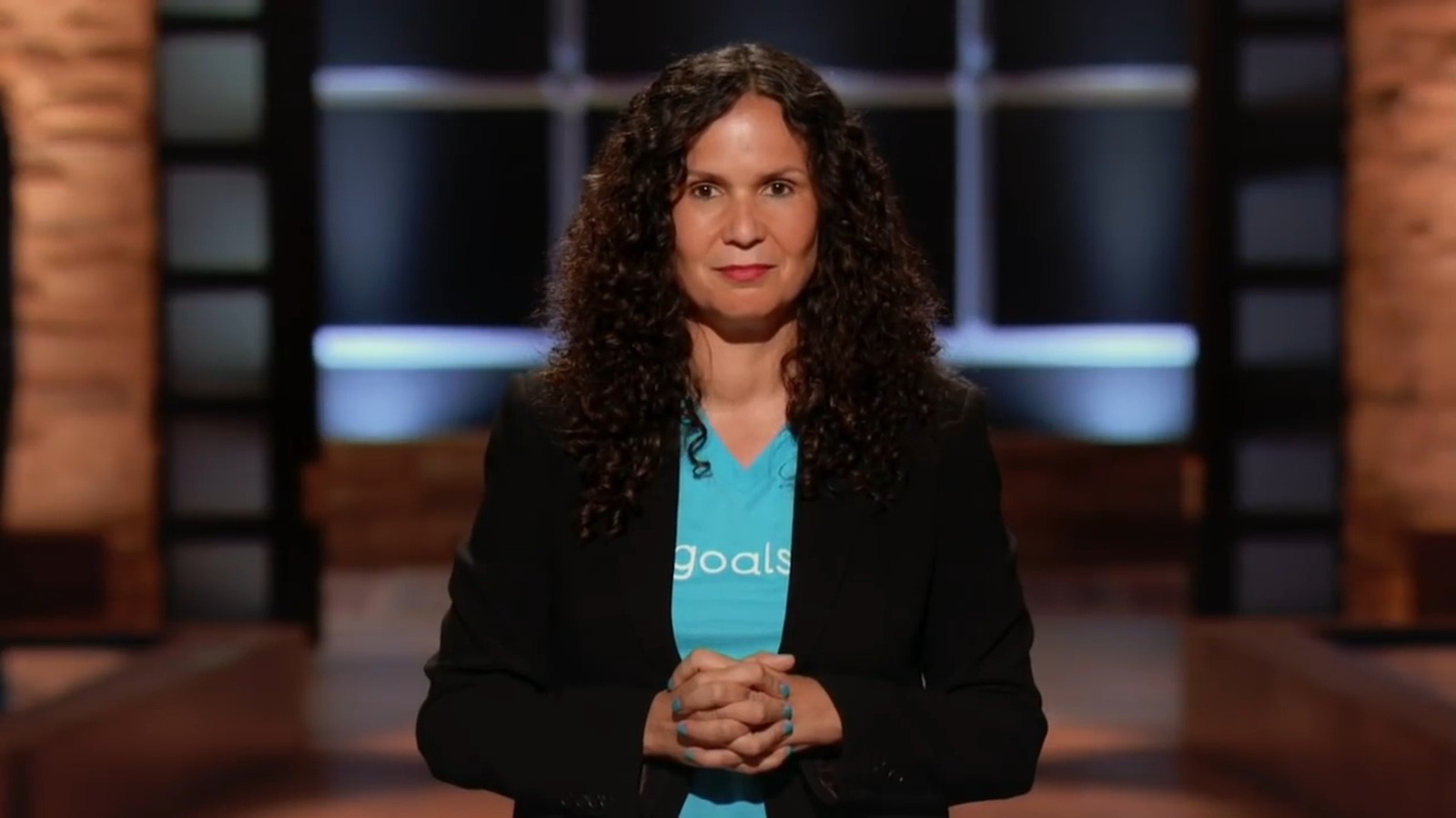
This Goalsetter review reveals that the brand’s strength now lies in its ubiquity. Instead of paying a separate monthly subscription, parents now look for banks that offer Goalsetter family finance tools as a built-in feature of their existing accounts. This shift was largely fueled by the company’s incredible trajectory following its Goalsetter Shark Tank appearance update and company status as a leader in the space. With over $31 million in post-Shark Tank growth, founder Tanya Van Court has steered the company toward a mission of youth financial inclusion through institutional partnerships.
By integrating directly into the infrastructure of credit unions and regional banks, the platform helps legacy institutions stay relevant for the next generation. For parents, this is a win for simplicity. You no longer need another app on your home screen; instead, your child’s financial journey is managed within a secure, bank-grade environment that focuses on intergenerational wealth building rather than just digital allowance automation.

Mastering Money: The Moneylingo™ and Curriculum Advantage
What continues to separate this platform from competitors like Greenlight or Copper is the depth of the Goalsetter financial literacy curriculum. While many apps offer a basic debit card and a "round-up" savings feature, Goalsetter treats financial education as a core academic discipline. The platform utilizes a gamified money education for kids that is mapped directly to NFEC standards alignment, ensuring that the content is both fun and pedagogically sound.
The secret sauce is the Learn to Earn feature. This innovative tool creates a functional gate between education and consumption. In practice, parents can set the system so that a child’s debit card is automatically frozen on Saturday morning and only "unlocked" once they pass a weekly financial literacy quiz. This is how Goalsetter quizzes control kid debit card spending, turning every transaction into a teaching moment. The content itself, often referred to as Moneylingo, uses pop-culture references, memes, and celebrity cameos to explain complex economic concepts.
The curriculum is structured into six comprehensive modules:
- Credit: Understanding how debt works and the long-term impact of credit scores.
- Risk: Exploring insurance, diversification, and how to protect assets.
- Saving: Moving beyond the piggy bank to understand compound interest.
- Earning: Exploring entrepreneurship, the gig economy, and traditional employment.
- Spending: Distinguishing between needs and wants in a high-consumption culture.
- Investing: Demystifying the stock market and building intergenerational wealth.
This Goalsetter financial literacy curriculum standards and features approach ensures that children are not just "using" money, but understanding the mechanics of the economy. By the time a student completes these modules, they are often more financially literate than the average adult.
Goalsetter Classroom: Meeting State Mandates
As more states pass legislation requiring personal finance education for high school graduation, schools are struggling to find high-quality, turnkey solutions. This is where Goalsetter Classroom has become a dominant force in the EdTech space. By moving into the B2G (business-to-government) sector, the company is closing the financial literacy gap at a systemic level.
The results are measurable and impressive. In a study of the program’s implementation, students utilizing the Goalsetter Classroom platform achieved an 83% mastery of financial literacy concepts, which represents a 47% increase from their initial pre-assessment scores. This data highlights why the Goalsetter Classroom vs traditional school finance programs debate is tilting in favor of gamified, culturally relevant content.
For teachers, the platform provides a comprehensive curriculum and professional training without requiring a specialized economics degree. It allows schools to meet 30+ state mandates regarding personal finance education without straining limited budgets. By focusing on K-12 personal finance through an inclusive lens, the program helps address the racial wealth gap by providing equitable access to financial tools for students in all zip codes. Teaching kids financial independence with Goalsetter tools is no longer a privilege of the wealthy; it is becoming a standard part of the American public education experience.
Security, Impact, and Comparative Value
When performing a Goalsetter platform review for parents 2026, security remains a top priority. Despite the transition to a B2B model, the underlying safety features are stronger than ever. All accounts are FDIC-insured through partner institutions like Webster Bank, providing the same level of protection as a traditional savings account.
When comparing Goalsetter gamification to other teen banking apps, the value proposition is clear. While most apps charge a monthly fee per child, Goalsetter’s new model often makes the service free for the end-user, provided their bank or school district has partnered with the platform. This removes the "pay-to-play" barrier that has historically kept low-income families away from high-quality fintech tools.
Furthermore, the social impact mission of the company remains its North Star. As a minority-owned business, Goalsetter is explicitly designed to foster Fintech for good. It isn't just about teaching kids how to save for a new pair of sneakers; it is about providing the foundation for intergenerational wealth building. The platform’s focus on "Saving as a Flex" changes the social narrative around money, making financial responsibility as desirable as social media clout.
| Feature | Goalsetter (2026) | Traditional Banking Apps |
|---|---|---|
| Education Focus | 6-Module NFEC Curriculum | Minimal/Non-existent |
| Spending Controls | Quiz-based card locking | Basic limit setting |
| Accessibility | Free via partner banks/schools | Monthly subscription fees |
| Content Style | Gamified/Pop-culture based | Static text/Basic videos |
| Primary Goal | Financial mastery & wealth | Transactional convenience |
FAQ
How do I withdraw money from my Goalsetter account?
Since the standalone app sunsetted in February 2026, users were instructed to withdraw their funds through the app's final interface or via a direct request to the partner bank that held the deposits. If you still have an outstanding balance, you should contact the specific banking partner associated with your Goalsetter account for a manual transfer or check issuance.
How do the Goalsetter educational quizzes work?
The quizzes are the core of the Learn to Earn feature. They consist of interactive questions based on current pop culture and financial principles. If a child fails a quiz, their spending may be restricted (depending on parent settings), and they are provided with the correct information in an engaging format so they can try again and learn from their mistakes.
Does Goalsetter offer a debit card for kids?
Goalsetter provides the technology and curriculum, but the physical or digital debit card is now issued by partner financial institutions. These cards are white-labeled, meaning they may have the bank’s branding but will be powered by Goalsetter’s unique spending controls and educational gates.
Is Goalsetter worth the monthly fee?
In the 2026 model, most parents will not pay a direct monthly fee. Instead, the service is often provided for free as a benefit of having an account at a participating bank or through a child's school district. This makes it an exceptional value compared to standalone subscription-based teen banking apps.
How does Goalsetter compare to Greenlight?
While Greenlight is a fantastic tool for automated allowances and basic spending controls, Goalsetter focuses more heavily on the educational curriculum. Goalsetter’s use of gamification and its unique "quiz-to-unlock" spending feature provides a more rigorous learning environment than Greenlight’s more transactional approach.
Is Goalsetter a safe app for children?
Yes, the platform is built with bank-grade security and is COPPA compliant. Because it is now primarily integrated into established financial institutions, it benefits from the high-level security protocols and FDIC insurance of those partner banks, making it one of the safest ways for children to interact with digital money.