Quick Facts
- Market Reality: Approximately 79% of smartphone owners still use a protective case despite massive leaps in hardware engineering.
- Durability Benchmark: Modern displays featuring Gorilla Glass Victus 2 or Gorilla Glass Armor 2 are designed to survive drops of up to two meters onto harsh asphalt surfaces.
- Weight Penalty: The average protective case adds between 25g and 30g to a device, often increasing total weight by 15% and ruining the slim ergonomics intended by designers.
- Environmental Resistance: Flagship devices in 2026 now commonly achieve IP69K ratings, protecting against high-pressure water jets and boiling temperatures, making the sealed-shell case obsolete for weatherproofing.
- Financial Risk: While out-of-warranty screen repairs range from $200 to $600, modern manufacturer protection plans offer a lower deductible alternative that preserves the original device feel.
- Hidden Damage: Trapped debris inside a case causes micro-abrasions that can permanently devalue a premium finish more than a single drop would.
Modern smartphones are fundamentally safe without cases because they are engineered with titanium frames, Gorilla Glass Armor 2, and IP69K ratings, making them resistant to nearly all daily hazards. For most users, phone case necessity is now a psychological vestige of a fragile past rather than a technical requirement.
Hardware Evolution: Why Your Phone is Already Rugged
For a decade, the smartphone industry lived in a state of fragile beauty. We had glass sandwiches that looked stunning in a showroom but shattered if they met a sidewalk at the wrong angle. In 2026, that era is officially over. The shift toward modern smartphone materials titanium vs gorilla glass armor 2 has fundamentally changed the conversation around durability. Titanium, now a staple for flagships like the Samsung S26 and Pixel 10 Pro, provides a level of structural rigidity that aluminum could never match. It absorbs impact energy rather than transferring it directly to the glass, acting as an internal roll cage.
Beyond the frame, the glass itself has evolved. We are no longer looking at simple scratch resistance. The latest iterations of Gorilla Glass Armor 2 offer incredible shatter-resistance, designed specifically to handle the sheer force of impact on concrete. When you combine this with the MIL-STD-810H durability standards that many flagship devices now meet, you have a machine built to survive more than just a slip from a coffee table.
The arrival of the IP69K rating is the final nail in the coffin for bulky, sealed cases. While IP68 was enough for a dip in the pool, IP69K means your device is shielded against high-pressure steam and hot water. This level of industrial engineering ensures that your smartphone is already more rugged than the plastic shell you were planning to put over it. We are seeing a "Sleek Rugged" trend where manufacturers bake protection into the minimalist aesthetics of the device itself.
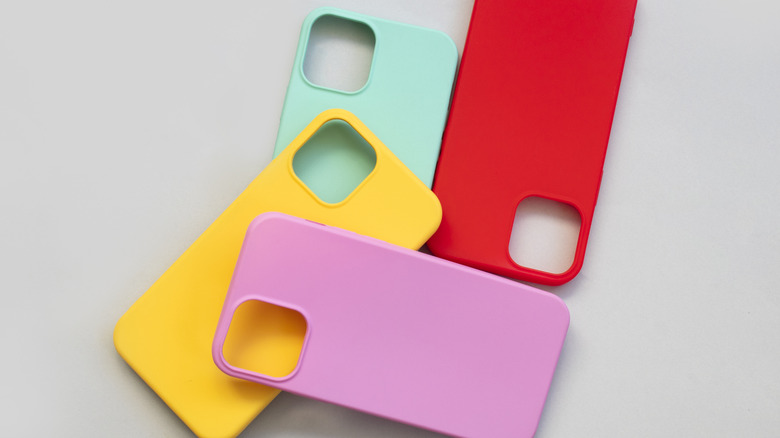
The Hidden Risks of Protective Cases
As an editor who spends months with these devices, I have noticed a recurring irony: the people most obsessed with protection often end up with the most damaged phones. This happens because of two often-overlooked factors: thermal management and micro-abrasions.
When you wrap a high-performance device like a Pixel 10 Pro in a thick silicone or TPU shell, you are effectively putting a winter coat on an athlete. Modern processors generate significant heat during gaming, 8K video recording, or fast inductive charging. Smartphone heat dissipation issues caused by protective cases are real; cases act as insulators, trapping heat and forcing the processor to throttle its performance. Over time, this consistent overheating can lead to accelerated battery degradation, shortening the lifespan of your expensive investment.
Furthermore, there is the issue of "case rash." No matter how snugly a case fits, dust and grit eventually find their way inside. As you carry your phone, these tiny particles rub against the titanium or glass back with every vibration and movement. Do phone cases cause more scratches from trapped dust? Frequently, yes. I have seen countless "mint condition" trade-ins revealed to have permanent pitting and micro-abrasions once the case was removed. If you are focused on maintaining smartphone resale value without using a case, you might find that keeping the device bare and simply wiping it down daily is more effective than letting dirt grind into the finish under a layer of plastic.
Technical Insight: The MIL-STD-810H standard involves 28 different tests, including high-altitude pressure, shock, and sand exposure. If your phone passes these, a $15 plastic case is likely redundant for 95% of your life scenarios.
Ergonomics and the Screen-Protector-Only Strategy
We pay a premium for the form factor of our devices. Engineers spend thousands of hours refining the tactile feedback of a button or the specific curvature of a foldable hinge. A case erases that work, replacing premium materials with generic plastic. Especially with the rise of foldables, the benefits of going caseless are undeniable. Foldable designs are already complex; adding a two-piece case often makes them feel like bricks in the pocket and can even interfere with the hinge mechanism.
If you are struggling with the idea of a completely naked phone, consider the screen protector only vs full phone case protection strategy. Statistically, the screen remains the most vulnerable part of the device. A high-quality tempered glass protector is a brilliant middle ground. It maintains the original silhouette and minimalist aesthetics of the phone while providing a sacrificial layer for the one part that is truly expensive to fix.
By opting for just a screen protector, you preserve the original weight and balance of the phone. You keep that cold, premium touch of the titanium frame while ensuring that your display won't pick up micro-scratches from keys or coins. This approach prioritizes ergonomics and pocketability without leaving the most critical component completely exposed.
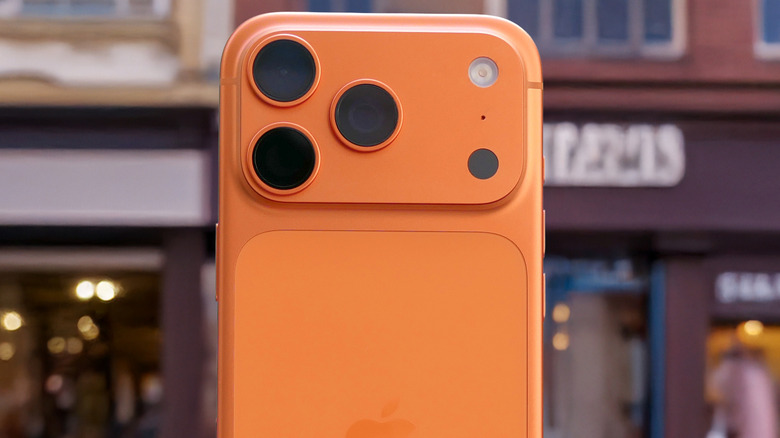
Protection Plans: The Financial Case for Going Naked
Many people use cases as a form of "physical insurance," but when you look at the math, manufacturer-backed protection plans often make more sense. Comparing Samsung Care Plus vs phone case protection reveals a clear winner for the tech-savvy user. A high-end, truly protective case can cost $50 to $80. If you upgrade your phone every two years, that is money gone forever.
In contrast, a device protection plan value lies in its comprehensive coverage. A case cannot help you if your phone is stolen, lost, or suffers internal motherboard failure. Manufacturer plans like AppleCare+ or Samsung Care+ cover all of these, including accidental damage.
| Feature | Physical Protective Case | Manufacturer Protection Plan (Care+) |
|---|---|---|
| Aesthetic Impact | Hidden/Altered | Original Design Preserved |
| Drop Protection | Variable (Mechanical) | Financial (Repair/Replacement) |
| Theft/Loss Coverage | No | Yes |
| Thermal Performance | Impeded | Optimal |
| Resale Value | Risk of Micro-abrasions | High (Professional Repair) |
| Cost | $20-80 Upfront | Monthly or Annual Premium |
By shifting your budget from a plastic shell to a digital insurance policy, you allow yourself to enjoy the industrial engineering you paid for. If the worst happens and you crack the back glass, you simply pay a small deductible for a professional repair. In 2026, this is the most sophisticated way to handle phone case necessity.
The Modular Exception: When a Case is Actually Useful
There is one scenario where I still recommend a case, and it has nothing to do with protection. The conversation has shifted from "armor" to "utility." If a case adds a feature your phone lacks, it becomes a tool rather than a shield.
MagSafe and similar magnetic ecosystems have made cases a modular hub. If you need a case to attach a professional-grade camera lens, a high-capacity battery pack, or a kickstand for long flights, then the added bulk is justified. For professionals in specific industries—construction, field research, or extreme sports—the structural rigidity provided by specialized cases with integrated thermal or night-vision sensors remains a necessity. In these instances, you aren't just covering the phone; you are expanding its capabilities.
However, for the average urban dweller, the question of is it safe to use a phone without a case in 2026 has a resounding answer: Yes. Between the Ceramic Shield technology, the titanium frames, and the robust insurance models available, the case has become an accessory for the anxious, rather than a requirement for the practical.
FAQ
Is a phone case really necessary for modern smartphones?
For most users in 2026, a case is no longer a technical necessity. Flagship devices are now built with high-grade titanium and advanced glass that can survive drops onto hard surfaces. Unless you work in an extreme environment or are exceptionally prone to dropping your phone, the built-in durability and an insurance plan are usually sufficient.
What are the risks of using a phone without a case?
The primary risk is cosmetic. While the phone likely won't shatter, the titanium frame can still suffer minor scuffs or "beauty marks" from high-velocity impacts on rough surfaces. There is also a slightly higher risk of the glass breaking if the device hits a sharp, protruding object directly, though modern glass is significantly more resistant to this than previous generations.
Can using a phone case cause the device to overheat?
Yes, certain bulky cases, especially those made of thick silicone or heavy rubber, can impede the phone's ability to dissipate heat. This is particularly noticeable during intensive tasks like gaming or using 5G data in hot weather. Overheating can lead to temporary performance throttling and long-term battery health issues.
Does a phone case help maintain a device's resale value?
It is a double-edged sword. While it prevents major cracks, cases often trap dust and sand that act as an abrasive, causing thousands of tiny scratches on the phone's finish. Many collectors and trade-in programs actually prefer a "naked" phone that has been well-cared for over one that has "case rash" from years of trapped debris.
Is it better to use a case or a screen protector?
A screen protector is often the smarter choice for modern users. It protects the most fragile and expensive component of the device—the display—from scratches and minor impacts without adding the bulk, weight, or thermal issues associated with a full-body case.