Our Top Picks
- Best Overall Premium: Focal Utopia – The pinnacle of audio fidelity using beryllium diaphragms for unmatched clarity.
- Best for Soundstage: Sennheiser HD 800 S – A legendary reference grade audio experience with the widest imaging in the industry.
- Best Entry-Level Value: Sennheiser HD 560S – Exceptional neutral sound signature at a price that welcomes everyone to the hobby.
- Best High-End Wireless: Shure Aonic 50 Gen 2 – Bridging the gap between convenience and high resolution wireless support.
Finding the best audiophile headphones in 2026 requires balancing audio fidelity with your specific listening environment. Whether you seek the vast soundstage of open-back designs or the isolation of high-end closed-back models, our ranked list covers the top 11 picks from budget-friendly starters to $5,000 endgame units.
The choice between open-back and closed-back audiophile headphones depends primarily on your listening environment. Open-back designs, such as the Sennheiser HD 800 S or Focal Clear MG, provide a wider, more natural soundstage and airy presentation by allowing air to pass through the earcups, but they leak sound significantly. Closed-back headphones, like the Beyerdynamic DT 700 Pro X or Meze Audio 99 Classics, offer superior noise isolation and privacy, making them the preferred choice for studio tracking, commuting, or office use.
Testing Methodology: How We Ranked the Best Audiophile Headphones
To provide these recommendations, we put dozens of headphones through a rigorous testing process. Our evaluation starts with critical listening across multiple genres, from orchestral arrangements to modern electronic productions. We don't just listen to the headphones in a vacuum; we test synergy with various DAC and amplifier requirements to see how much the sound scales with better equipment.
Beyond just frequency response, we look at technical performance metrics like total harmonic distortion and imaging accuracy. We also perform comfort checks for long-session use, measuring clamping force and heat build-up over four-hour listening periods. The goal is to find gear that delivers reference grade audio while remaining wearable for an entire workday. The global audiophile headphone market was valued at approximately $2.75 billion in 2024 and is projected to reach $4.38 billion by 2032, exhibiting a compound annual growth rate of 7.0%. This growth reflects a massive shift toward quality over convenience.
The Entry-Level Tier: Best Value for Beginners
Starting your audio journey doesn't require a second mortgage. The best entry level audiophile headphones for beginners today offer performance that would have cost double a decade ago. We focus on models that provide a high level of audio fidelity without requiring a massive stack of external gear.
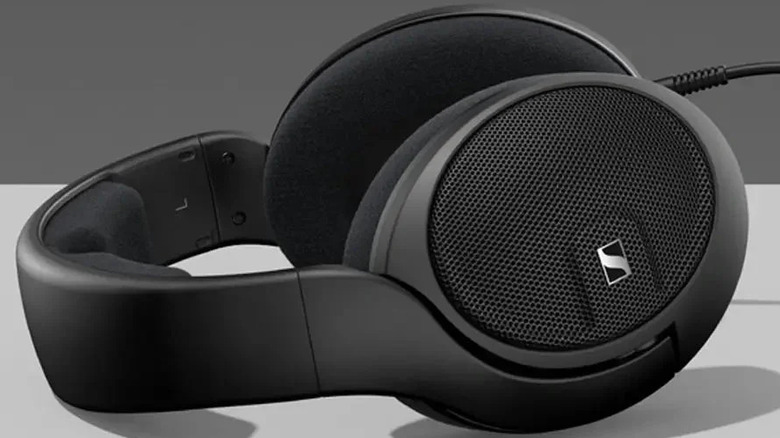
The Neutral Reference: Sennheiser HD 560S
The HD 560S has become the gold standard for those who want an uncolored, honest representation of their music. It features an open-back design that provides a surprisingly wide soundstage for its price point.
Technical Snapshot: Sennheiser HD 560S
- Weight: 240g
- Impedance: 120 Ohms
- Driver Type: Dynamic
The Industry Standard: Sony MDR-7506
If you’ve ever stepped into a professional recording studio, you’ve seen these. They are the best audiophile headphones for studio monitoring and mixing for those on a strict budget. They are built like tanks and offer a bright, revealing sound that makes spotting flaws in a recording easy.
Technical Snapshot: Sony MDR-7506
- Weight: 230g
- Impedance: 63 Ohms
- Driver Type: Dynamic
The Stylish Soul: Meze 99 Classics
While many audiophile headphones prioritize technicality over everything else, the Meze 99 Classics prioritize the joy of listening. These closed-back headphones offer a warm, bass-rich profile that makes them incredibly fun for casual listening.
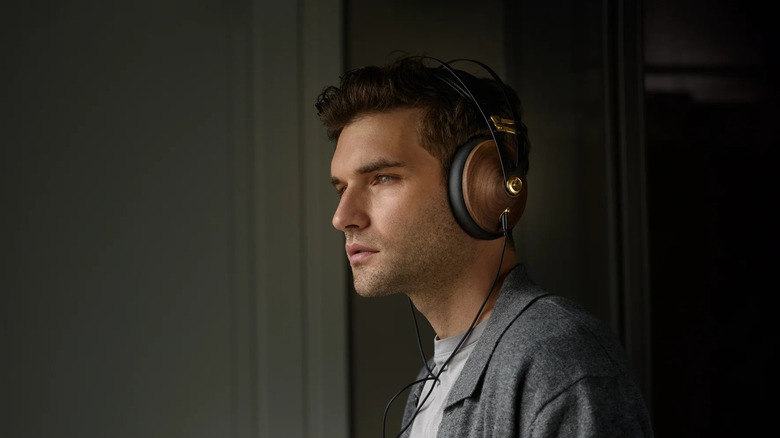
Technical Snapshot: Meze 99 Classics
- Weight: 260g
- Impedance: 32 Ohms
- Driver Type: Dynamic (Neodymium)
The Mid-Range Sweet Spot: Performance vs. Price
Once you move past the entry level, you enter the mid-range where price-to-performance really peaks. Here, you start seeing more exotic technologies like planar magnetic drivers and high resolution wireless support.
The Planar Powerhouse: HiFiMan Ananda Nano
The Ananda Nano uses nanometer-thick diaphragms to deliver a lightning-fast transient response. This is where you start to feel the texture of strings and the air around a singer's voice. They are some of the most comfortable audiophile headphones for long sessions due to their large, ear-shaped cups.
Technical Snapshot: HiFiMan Ananda Nano
- Weight: 419g
- Impedance: 14 Ohms
- Driver Type: Planar Magnetic
The Detail Freak: Sennheiser HD 660S2
The HD 600 series is legendary, and the S2 version brings more low-end punch to the classic mid-range clarity. It is a favorite for those who value timbre and vocal intimacy above all else.
Technical Snapshot: Sennheiser HD 660S2
- Weight: 260g
- Impedance: 300 Ohms
- Driver Type: Dynamic
The Wireless High-Res Solution: Shure Aonic 50 Gen 2
While wired headphones maintained a dominant 95% market share in the audiophile segment in 2024, the best wireless audiophile headphones with high resolution support are closing the gap. The Shure Aonic 50 Gen 2 supports LDAC and AptX Adaptive, making it a serious contender for high-fidelity on the go.
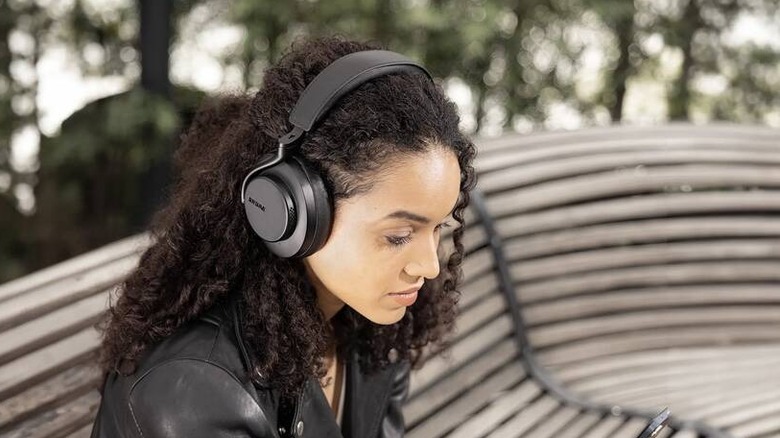
Technical Snapshot: Shure Aonic 50 Gen 2
- Weight: 334g
- Impedance: 39 Ohms (Passive)
- Driver Type: 50mm Dynamic
The Professional Tool: Sony MDR-M1
Specifically designed for modern high-resolution production, the MDR-M1 offers a wide frequency range and excellent isolation. It is a fantastic choice for those who need high end audiophile headphones that can pull double duty for work and play.
Technical Snapshot: Sony MDR-M1
- Weight: 216g
- Impedance: 24 Ohms
- Driver Type: Dynamic
The Analog Classic: Grado SR325x
Hand-built in Brooklyn, the SR325x is known for its energetic, forward presentation. It’s an on-ear design that brings a live-concert feel to your desk, specializing in the grit of rock and jazz.
Technical Snapshot: Grado SR325x
- Weight: 340g
- Impedance: 38 Ohms
- Driver Type: Dynamic
The Ultra-Premium Tier: Endgame High End Audiophile Headphones
This is the "no compromise" category. These headphones are designed for high end audiophile headphones for home listening where cost is secondary to absolute performance. The 18-34 age group is surprisingly active here, often saving up for these "endgame" pieces of gear to experience their favorite music in the highest possible quality.
The Absolute Benchmark: Focal Utopia
Utilizing pure beryllium diaphragms, the Focal Utopia is often cited as the most detailed headphone in the world. It provides a level of punch and dynamic impact that mimics high-end floor-standing speakers. Every nuance, from the intake of breath to the decay of a cymbal, is rendered with frightening realism.
Technical Snapshot: Focal Utopia
- Weight: 490g
- Impedance: 80 Ohms
- Driver Type: Pure Beryllium 'M' shape dome
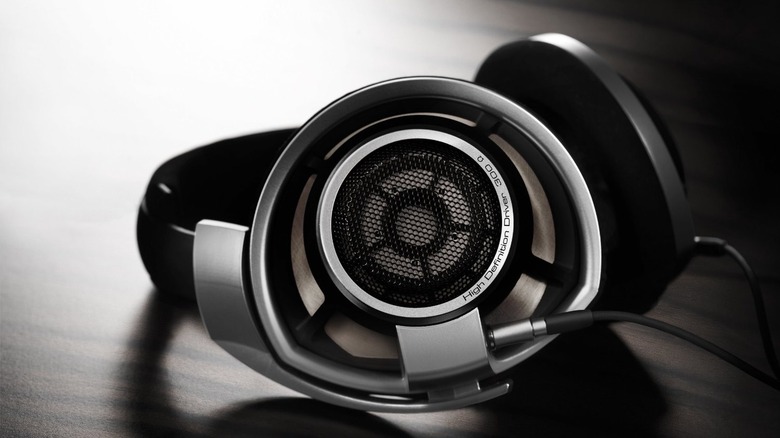
The Soundstage King: Sennheiser HD 800 S
The HD 800 S features 56mm Ring Radiator drivers, the largest ever used in dynamic headphones. This results in a soundstage and imaging performance that feels more like an open room than a pair of cups on your ears. It is the gold standard for orchestral music and critical listening.
Technical Snapshot: Sennheiser HD 800 S
- Weight: 330g
- Impedance: 300 Ohms
- Driver Type: Dynamic Ring Radiator
The Silent Power: Dan Clark Audio Stealth
The Stealth uses a proprietary Meta-Material Tuning System to eliminate standing waves, resulting in a closed-back headphone that sounds as open and airy as many open-back models. It is widely considered the best closed-back headphone ever made.
Technical Snapshot: Dan Clark Audio Stealth
- Weight: 415g
- Impedance: 23 Ohms
- Driver Type: Planar Magnetic
Audiophile Headphones Buying Guide: Open-Back vs Closed-Back
Understanding the open back vs closed back audiophile headphones comparison is the most important step in your purchase. Your listening environment dictates which technology will serve you best.
| Feature | Open-Back | Closed-Back |
|---|---|---|
| Soundstage | Wide, airy, "out of head" experience | Narrower, more "intimate" |
| Isolation | Zero (You hear the room) | High (Blocks external noise) |
| Leakage | High (Others hear your music) | Low (Privacy) |
| Bass Impact | More natural, less pressurized | Often more physical, sub-bass focus |
| Best Use | Critical listening at home | Office, travel, studio tracking |
An audiophile headphones buying guide wouldn't be complete without mentioning acoustic transparency. Open-back headphones use the air behind the driver to prevent back-wave interference, which is why they generally sound more natural. However, if you are in a noisy office, that natural sound will be drowned out by your surroundings, making a high-quality closed-back model a better practical investment.

Powering Your Sound: DAC and Amplifier Requirements
One of the most common mistakes beginners make is buying high end audiophile headphones and plugging them directly into a laptop jack. While some low-impedance models like the Meze 99 Classics will sound fine, others require significant power.
Meeting DAC and amplifier requirements is about more than just volume. A dedicated amp provides the current needed to control the driver, reducing total harmonic distortion and improving dynamic range. For high-impedance headphones like the Sennheiser HD 800 S (300 Ohms), a balanced XLR cables setup and a high-voltage amplifier are necessary to keep the bass from sounding thin and the treble from sounding grainy. Impedance matching ensures that the output of your source properly transfers power to the headphones without altering the frequency response.
Maintenance and Longevity: Protecting Your Investment
When you spend $1,000 or more on audio gear, you want it to last. Most high-end headphones are designed to be modular. Earpads are the first thing to go; whether you have velour earpads or leather ones, they will compress over time, which changes the sound signature. We recommend replacing them every 18 to 36 months to maintain the original audio fidelity.
Cable care is equally important. Avoid tight coils which can break internal copper strands. Storing your gear on a dedicated headphone stand or in a hard case when not in use prevents dust from settling on the drivers, which can lead to buzzing or driver failure over time.
FAQ
What defines audiophile-grade headphones?
Audiophile-grade headphones are designed with a primary focus on sound quality and accuracy rather than fashion or convenience features. They typically utilize higher-quality materials, larger drivers, and more sophisticated acoustic engineering to achieve lower distortion and a more realistic representation of the original recording.
Are expensive audiophile headphones worth it?
For those who value critical listening, the answer is usually yes. Higher-priced models often use expensive materials like beryllium diaphragms or complex planar magnetic arrays that provide levels of detail and soundstage depth that budget models simply cannot replicate. However, the law of diminishing returns applies; the jump from $100 to $500 is much more noticeable than the jump from $1,000 to $2,000.
Do I need an external amplifier for high-end headphones?
It depends on the impedance and sensitivity of the specific model. While some high-end headphones are designed to be efficient, many reference models require an external amplifier to provide the necessary voltage and current to perform at their best. Without proper amplification, these headphones may sound quiet, thin, or lack bass impact.
What is the difference between open-back and closed-back headphones?
Open-back headphones have earcups that allow air and sound to pass through freely, creating a wider and more natural soundstage but offering no isolation. Closed-back headphones have sealed earcups that block outside noise and prevent sound leakage, making them better for noisy environments or private listening.
What are the best entry-level audiophile headphones?
The Sennheiser HD 560S is widely considered the best entry-level choice for those seeking a neutral and detailed sound. Other strong contenders include the HiFiMan HE400se for those wanting to try planar magnetic technology, or the Beyerdynamic DT 770 Pro for those needing a durable, closed-back option.