Quick Facts
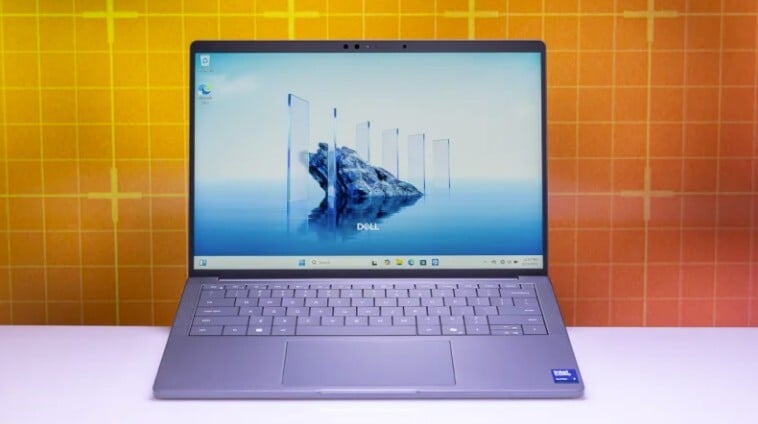
- Immediate Deadline: Major manufacturers like Dell are expected to implement 10-30% price hikes as early as December 17, 2026.
- Retail Impact: Standard mainstream laptops currently priced around $900 are projected to climb to $1,260 or more by the end of the year.
- The AI Tax: Component costs for memory and storage have doubled their share of the bill of materials, rising from 15% to 30% of total costs.
- Supply Constraint: High-bandwidth memory demand for AI data centers is cannibalizing the production capacity usually reserved for consumer laptops.
- Best Value Strategy: Prioritize purchasing existing "pre-hike" inventory or choosing models with SO-DIMM slots to perform manual RAM upgrades.
- Refurbished Advantage: Professional-grade refurbished hardware from lines like Lenovo ThinkPad offers a hedge against the inflation of new silicon.
Current market data indicates a massive laptop price increase is imminent, with costs expected to surge by up to 40% by year-end 2026. Driven by the global AI boom and rising DRAM costs, the best time to buy a laptop is right now before manufacturers adjust their retail pricing. Laptop prices are surging due to intense demand for memory and semiconductors driven by AI data centers. Manufacturers report that RAM costs now represent a significantly higher share of production expenses, leading to immediate retail price hikes. Industry analysts predict mainstream notebooks could see price jumps of up to 40 percent as component supply chains face unprecedented bottlenecks through the end of 2026.
The Anatomy of a 40% Surge: Decoding the BOM
To understand why your next computer might cost as much as a used car, we have to look at the Bill of Materials (BOM). In the world of PC manufacturing, the BOM is the total cost of every screw, capacitor, and silicon chip inside the chassis. Historically, the memory and storage components represented about 15 percent of that total. However, we are seeing a fundamental shift where these components now account for 30 percent of manufacturing costs.
The culprit is a perfect storm of NAND flash volatility and a chronic DRAM supply shortage. Global semiconductor fabrication facilities are currently pivoting their focus. Instead of churning out the DDR5 memory modules used in your laptop, they are dedicating their limited wafer starts to HBM (High Bandwidth Memory) required for AI enterprise servers. This competition for silicon has effectively created a scenario where AI data centers are stealing capacity from consumer hardware.
When a manufacturer like HP or Dell sees a 13 to 15 percent rise in their raw component costs, it doesn't just result in a 15 percent price hike at the register. Because of the way retail margins and distribution tiers work, that initial bump in manufacturing costs often translates into a laptop price increase of 40 percent for the end-user. Market research firm TrendForce reported that retail prices for mainstream laptops could increase by as much as 40 percent if manufacturers and distributors maintain their existing profit margins amid rising component costs. This is not just speculation; it is a reflection of the current semiconductor fabrication reality.

Buying Guide: Buy Now vs. Waiting for 2026 Sales
Many shoppers are conditioned to wait for holiday sales, but the 2026 laptop price increase predictions suggest that the traditional waiting game could be a costly mistake. Typically, Black Friday and December clearances are the best time to buy a laptop because retailers are clearing out old stock. However, in the current climate, that "old stock" is the only inventory that hasn't been hit by the new silicon manufacturing costs.
Once the existing inventory is depleted, the new shipments arriving in Q4 will carry the higher price tags. Analysts have highlighted December 17 as a potential "tipping point" for commercial and enterprise hardware, where many bulk contracts will be renegotiated at significantly higher rates. If you are comparing buying a laptop now vs waiting for 2026 sales, the risk is that the "sale" price in December might still be higher than the "regular" price today.
| Laptop Category | Current Avg. Price (2024/25) | Projected Q4 2026 Price | Estimated Increase |
|---|---|---|---|
| Mainstream (i5/16GB/512GB) | $900 | $1,260 | 40% |
| Creative Pro (i7/32GB/1TB) | $1,600 | $2,080 | 30% |
| Budget / Chromebook | $350 | $470 | 34% |
| High-End Gaming | $2,200 | $2,750 | 25% |
While Windows laptops are facing extreme price volatility, Apple remains a bit of an outlier due to their vertical integration. However, even the MacBook lineup isn't immune to the rising cost of NAND flash, which will likely affect the high ram laptop price trends for 2026 across all operating systems. If you need a machine with 32GB or 64GB of memory for professional work, the price delta between now and next year will be even more pronounced.
The DIY RAM Hack: Beating the Price Hike
As an editor who spends all day looking at hardware specs, my biggest piece of advice to avoid consumer electronics inflation is to stop buying "closed" systems. Many modern thin-and-light laptops solder the RAM directly to the motherboard. This allows manufacturers to charge $200 to $400 for a memory upgrade that actually costs them $40.
To bypass the rising cost of new configurations, look for laptops with user-upgradable RAM for cost savings. These machines use SO-DIMM expandability, allowing you to buy a base model with 8GB or 16GB of RAM and upgrade it yourself using aftermarket RAM kits.
Here is how you can execute this "survival hack":
- Identify Upgradable Models: Look for enterprise-grade hardware like the Lenovo ThinkPad T14 Gen 6 or the Dell Latitude 5550. These are designed for IT departments to service easily.
- Buy the Minimum Factory RAM: Purchase the laptop with the lowest amount of RAM offered (usually 8GB or 16GB) to avoid the manufacturer’s steep markup.
- Source Third-Party Memory: Buy a high-quality 32GB or 64GB kit from a reputable brand like Crucial or Kingston. Because you are buying the memory directly, you avoid the retail markup applied to the whole laptop.
- Install and Save: Opening the bottom panel of these specific models usually requires just a few Phillips-head screws. By doing the work yourself, you can often save $300-$500 compared to the OEM price.
Another strategic move is buying refurbished laptops to avoid 2026 price hikes. High-quality refurbished enterprise units are often off-lease machines that have been cleaned and tested. Since their price is based on their initial 2023 or 2024 manufacturing cost, they are completely insulated from the current hardware lifecycle planning issues affecting 2026 models.
Strategic Windows: When to Pull the Trigger
The window of opportunity is closing. We are currently in a supply chain bottleneck where the demand for AI hardware is outpacing the ability of fabs to produce consumer-grade silicon. This means that unit shipment forecasts for the end of 2026 are looking grim in terms of affordability.
If you are looking for tips for securing low laptop prices before 40 percent jump, you should aim to purchase during the "Back to School" tail-end or the very beginning of the "White Friday" sales in November. The key is to verify that the unit you are buying is "in-stock" and not a "pre-order" for a future shipment. In-stock units were manufactured using silicon purchased at 2024/2025 rates.
Pay close attention to the high ram laptop price trends for 2026. If you notice the price of a 32GB configuration suddenly jumping while the 16GB model stays stable, it is a sign that the memory shortage has reached that specific retailer's warehouse. At that point, the 40 percent surge is no longer a prediction—it is the reality on the ground.
FAQ
Why are laptop prices increasing?
The primary driver is the global AI boom, which has shifted semiconductor fabrication capacity away from consumer electronics toward high-margin AI data center components. Specifically, memory and storage components, which typically represent 15 percent of a laptop's total bill of materials, are projected to account for 30 percent of manufacturing costs due to significant price hikes in DRAM and NAND flash supply.
Is now a good time to buy a laptop or should I wait?
Now is the best time to buy a laptop before the full impact of the 40 percent price jump hits retail shelves by the end of 2026. Waiting for holiday sales may backfire, as new inventory arriving late in the year will likely be priced higher than current "pre-hike" stock, even after seasonal discounts are applied.
How does the chip shortage affect laptop prices?
While the general "pandemic-era" chip shortage has eased, a new specialized shortage has emerged. AI servers require massive amounts of DRAM and specialized memory, which consumes the same silicon wafers used for laptop CPUs and RAM. This reduced supply for the consumer market allows manufacturers to raise prices on the remaining inventory.
Are laptop prices expected to rise further?
Yes, analysts predict that the laptop price increase will continue through the end of 2026. The rising cost of raw materials and the complex bill of materials means that once current cheaper inventory is sold, there is no technical reason for prices to return to 2024 levels in the near future.
What factors are driving the cost of laptops up?
Beyond the AI impact on hardware costs, other factors include rising labor costs in manufacturing hubs, increased logistics expenses, and the transition to more expensive standards like DDR5 memory and PCIe 5.0 storage. These factors combine to create a higher total cost of production for every unit shipped.
Final Verdict for the PC Buyer
The technical landscape for 2026 is clear: the era of the $800 high-performance mainstream laptop is ending. If your current machine is struggling or if you are a professional who requires high-capacity memory, do not wait for the "perfect" sale that may never come. Check your favorite retailers now and prioritize machines that offer the flexibility of future upgrades. By being proactive and understanding the shift in the semiconductor market, you can secure a machine today that would cost you hundreds more just twelve months from now. Keep a close eye on inventory levels before the December 17 price adjustments take effect.