Quick Facts
- Conversion Location: The defining difference is where the digital-to-analog conversion occurs—inside the headset for USB, and inside the source for analog.
- Audio Purity: Professional-grade analog gear can achieve a signal-to-noise ratio exceeding 120 decibels, matching the dynamic range of human hearing.
- Digital Capacity: While 16-bit audio offers 96dB, 24-bit USB interfaces provide a theoretical dynamic range of 144 decibels.
- Hardware Quality: Audiophiles prefer analog because it allows the use of high-end external components rather than cheap integrated chips.
- Gaming Edge: USB headphones excel in gaming by utilizing digital signal processing for virtual surround sound and software-based EQ.
- Market Trends: Statistics show that 52% of audiophile headphone consumers prioritize compatibility with high-resolution lossless formats.
- Connectivity: 3.5mm and quarter-inch jacks offer universal legacy support, while USB-C is the modern standard for mobile and digital-only devices.
The primary difference between USB vs analog headphones lies in where the digital-to-analog conversion occurs. USB headphones utilize an integrated DAC and amplifier inside the headset or cable, whereas analog headphones rely on the source device's internal hardware or a dedicated external amplifier. This distinction fundamentally changes how audio signals are processed, amplified, and delivered to your ears.
The Signal Chain: Analog for Audiophiles
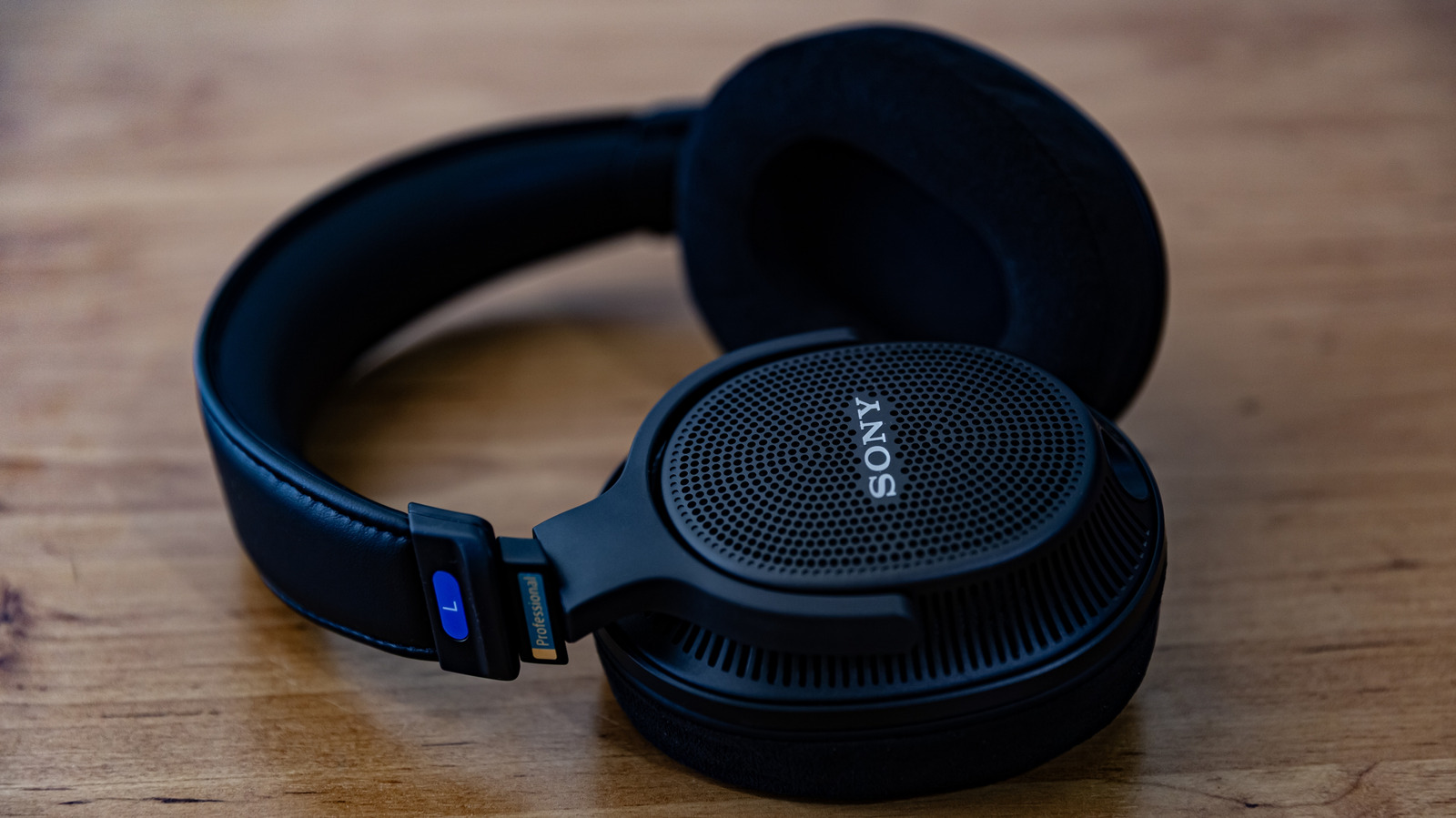
To understand why traditionalists cling to their cables, we have to look at the signal chain. When you use analog headphones, you are using a passive device. The headphones themselves do not process data; they simply receive an electrical signal and convert it into sound waves via the drivers. Because they are passive, the quality of the sound is entirely dependent on what is feeding them.
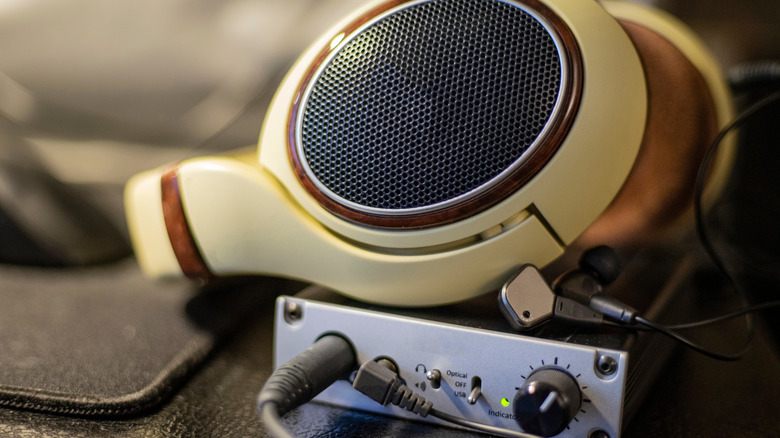
This is the primary reason for the popularity of analog headphones for audiophiles. By separating the headphones from the conversion hardware, you gain the freedom to choose your own components. You can pair a high-impedance set of open-back headphones with a high-performance tube amplifier or a professional external audio interface. This setup allows for much better impedance matching, ensuring the amplifier provides the correct amount of voltage and current to drive the headphones efficiently without distortion.
In a professional studio environment, the advantages of analog headphones for home studio monitoring are clear. Studio engineers require a flat, uncolored frequency response. By using a high-end external DAC, they can achieve a signal-to-noise ratio exceeding 120 decibels, which aligns with the estimated 120-decibel dynamic range limit of human hearing. This level of transparency is difficult to achieve with the tiny, power-constrained chips found inside a USB headset.
However, analog signals are susceptible to their environment. One often-overlooked factor is the impact of cable length on analog vs digital headphone signals. In an analog setup, a very long cable acts like an antenna, picking up electromagnetic interference from power cables and electronic devices. This results in the "hiss" or "hum" you might hear during quiet passages of music. Furthermore, the internal hardware noise of a cheap laptop motherboard can bleed into the 3.5mm jack, degrading the audio quality before it even reaches your headphones.
The USB Revolution: Portability and Gaming Features
In the consumer world, the removal of the 3.5mm jack from smartphones sparked a massive shift toward USB-C audio. When comparing 3.5mm vs USB-C audio quality, the biggest advantage of the digital connection is that the audio signal remains digital until it is inches away from your ears. By keeping the signal digital as it travels out of the smartphone or laptop, you bypass the noisy electromagnetic environment of the device's internal circuitry.
USB audio transmits digital data, which is essentially a stream of ones and zeros. This makes the transmission virtually immune to the electrical noise that plagues internal analog jacks. For modern mobile users, USB-C headphones vs 3.5mm jack for high resolution audio is often a win for USB-C in terms of convenience and noise floor. These devices often support bit-perfect playback, ensuring that the software doesn't alter the audio data before it reaches the integrated DAC.
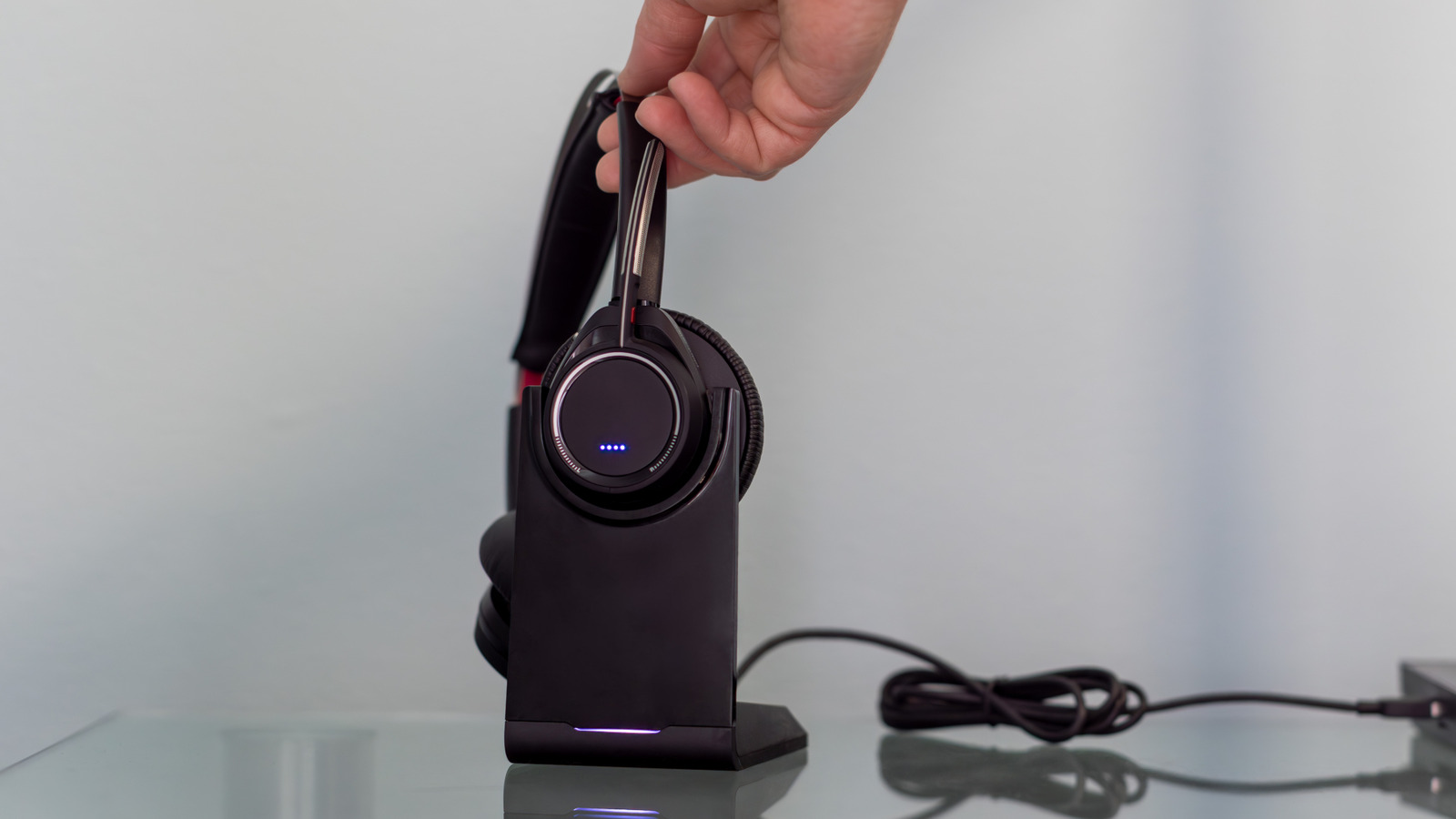
Gaming is another area where USB reigns supreme. High-end gaming headsets use the USB connection to power advanced features that analog jacks simply cannot support. Manufacturers can implement complex digital signal processing to enable virtual surround sound, which creates a 360-degree soundstage that helps gamers pinpoint enemy footsteps. Because the headset is its own "sound card," the manufacturer can fine-tune the frequency response using a built-in DSP chip. This allows for features like "Scout Mode" or custom EQ profiles that are saved directly to the headset hardware.
Furthermore, digital audio systems utilizing 24-bit depth, which are commonly supported by modern USB interfaces, provide a theoretical dynamic range of approximately 144 decibels. This is significantly higher than the 96-decibel range offered by standard 16-bit audio found on older systems. While the human ear cannot perceive the full 144dB range, the extra headroom allows for cleaner digital volume control and more precise digital signal processing for gaming.
The Middle Ground: USB Dongles and DAC/Amps
For many listeners, the choice isn't strictly between a USB headset and a 3.5mm plug. The "dongle DAC" has become the bridge between these two worlds. When looking at a sound quality comparison of USB dongles vs laptop audio jacks, the dongle almost always wins. Even a small, inexpensive USB-C to 3.5mm adapter often contains a more sophisticated DAC chip than the one integrated into a standard laptop motherboard.
It is important to understand how to choose between active USB headphones and passive analog sets. An active USB device contains its own power source or draws power from the host to run its internal amp. This is why some USB headphones can sound much louder and more "punchy" than analog ones when plugged into a phone. A passive analog set, on the other hand, relies entirely on the phone's weak internal amplifier, which may struggle to drive high-impedance drivers, resulting in a thin, lifeless sound.
However, the difference between integrated headphone DAC and external amplifier units is still vast. While a $20 dongle is an upgrade over a noisy laptop jack, it still lacks the power and thermal management of a dedicated desktop external headphone amp. According to market research, approximately 52% of audiophile headphone consumers prioritize compatibility with high-resolution lossless streaming formats that exceed the standard 24-bit/96kHz limit. To truly experience these formats, users typically move away from all-in-one USB headsets and toward a stack consisting of a dedicated USB DAC and an analog amplifier.
This setup helps mitigate issues like jitter reduction. In a digital stream, jitter refers to timing errors in the delivery of data packets. High-quality USB DACs use asynchronous transfer modes, where the DAC (not the computer) controls the timing of the data flow. This leads to a much more accurate digital-to-analog conversion, resulting in better instrument separation and a more natural soundstage.
| Feature | USB Headphones (Integrated) | Analog Headphones (3.5mm/TRS) |
|---|---|---|
| DAC Location | Inside Headset/Cable | Inside Source or External DAC |
| Max Dynamic Range | Up to 144dB (24-bit) | Over 120dB (High-end gear) |
| Interference | Very Low (Digital) | Susceptible (Analog) |
| Gaming Features | DSP, Virtual Surround, EQ | Standard Stereo |
| Best For | Gaming, Mobility, Convenience | Music Purity, Studio Work |
| Compatibility | PC, Console, Modern Phones | Legacy Gear, Professional Interfaces |
Technical Deep Dive: Latency and Sampling
One of the few drawbacks of the USB connection is latency. Because the audio has to be packetized, sent over the USB bus, and then processed by the internal chip, there is a tiny delay. While this is usually imperceptible for music or movies, it can be a concern for professional musicians or competitive gamers. Analog connections have zero processing latency; the speed of the signal is effectively the speed of light through a copper wire.
Additionally, while USB supports high sampling frequency rates (up to 384kHz and beyond), not all operating systems handle this correctly. For example, some mobile platforms may resample all audio to 48kHz, negating the benefits of high-resolution files. This is why audiophiles prefer external DACs over USB integrated headphones; it allows them to use specialized drivers and software to ensure bit-perfect playback and bypass system-level audio limitations.
FAQ
Is USB audio better than 3.5mm jack?
USB audio is generally better at avoiding the internal electrical noise of a computer or smartphone, but a 3.5mm jack connected to a high-quality dedicated audio interface or amplifier will offer superior sound purity and power for high-end headphones.
Do USB headphones have better sound quality than analog?
USB headphones often sound better than analog headphones when plugged into cheap or noisy devices like budget laptops because they use their own integrated DAC. However, high-end analog headphones paired with a quality external amplifier remain the industry standard for the best possible audio fidelity.
What are the advantages of using USB headphones?
The main advantages include a lower noise floor, integrated digital signal processing for gaming features like surround sound, and the ability to work with modern devices that have eliminated the traditional headphone jack.
Why do audiophiles prefer analog headphones?
Audiophiles prefer analog headphones because they are not limited by the built-in circuitry of a headset. They can customize their signal chain with high-end external DACs and amplifiers that provide better power management, higher signal-to-noise ratios, and more accurate sound reproduction.
Does a USB connection reduce background static?
Yes, because the audio signal remains digital until it reaches the headset, a USB connection is much less likely to pick up the background static and "hiss" caused by the electromagnetic interference typically found inside a computer's chassis.
Is analog or digital audio better for gaming?
USB (digital) audio is generally better for gaming because it supports software-based features like virtual 7.1 surround sound, noise-canceling microphones, and custom EQ profiles that help with spatial awareness and communication.
Final Verdict
The "truth" about USB vs analog headphones isn't that one is objectively better, but that they serve different masters.
If you are a competitive gamer or a frequent commuter looking for a plug-and-play solution for your smartphone, USB-C headphones or a high-quality USB headset are the way to go. They offer convenience, advanced features like DSP, and a clean, noise-free signal that doesn't rely on your phone's potentially mediocre internal hardware.
However, if you are a music lover or a professional looking for the absolute pinnacle of sound quality, the analog path is still the gold standard. By choosing analog headphones and investing in a dedicated external DAC and amplifier, you ensure that every detail of your high-resolution audio is preserved. You gain the power necessary for proper impedance matching and the transparency required for true reference listening. In the world of high-fidelity sound, sometimes the "old" way of moving electrons through a copper wire is still the most honest.