Quick Facts
- Market Growth: The global USB-C audio adapter DAC market reached a valuation of $1.14 billion in 2024 and is projected to more than double by 2033.
- Dongle Popularity: Portable dongle DACs represented 44.5% of total USB DAC market revenue in 2025, driven by the removal of legacy ports on mobile devices.
- Sound Quality: A USB-C DAC improves audio by moving the conversion process away from noisy internal phone components to high-quality external hardware.
- Power Output: High-end portable units like the iFi Diablo II can deliver up to 1,000mW of output, enough to drive demanding full-size headphones that a standard phone cannot power.
- Resolution Support: Modern USB-C DAC units support high-resolution audio formats like DSD, MQA, and 32-bit/768kHz PCM, providing significantly more detail than basic analog adapters.
- Modern Standards: For 2026, balanced 4.4mm outputs have become the standard for achieving the lowest possible noise floor in portable audiophile gear.
A USB-C DAC improves headphone performance by moving the digital-to-analog conversion process outside of the smartphone or computer. While a 3.5mm jack relies on limited internal hardware, a USB-C connection transmits a digital signal to high-quality external components, resulting in a lower noise floor, reduced interference, and superior clarity for high-resolution audio. This external processing allows you to improve headphone sound quality with external dac hardware that bypasses the noisy internal circuits of your device.
The Shift: Why USB-C Outperforms the Legacy 3.5mm Jack
For decades, the 3.5mm headphone jack was the undisputed king of mobile audio. However, as smartphones became thinner and more complex, that legacy port became a bottleneck. The internal digital-to-analog converter inside a phone is often an afterthought, squeezed into a corner of the motherboard next to power-hungry processors and cellular antennas. This creates a closed system where your audio signal is constantly fighting against electromagnetic interference.
When we discuss usb-c audio vs 3.5mm, we are really talking about the difference between an analog output and a digital transport. The legacy 3.5mm jack outputs an analog signal that has already been processed by the phone's cheap internal chips. In contrast, the USB-C port acts as a digital pipe. It sends raw data to an external USB-C DAC, allowing the conversion to happen in a controlled, shielded environment. This modular approach is the foundation of high-fidelity mobile listening.
By moving the processing outside the phone chassis, you effectively eliminate the EMI and RFI shielding issues that plague internal chips. The difference between usb-c audio and 3.5mm jack quality becomes obvious when you listen to the silence between tracks. On a standard 3.5mm jack, you might hear a faint hiss or static—this is the noise floor. A dedicated external dac for headphones pushes that noise floor down, allowing the subtle micro-details of a recording to emerge.
Technical Performance: Noise Floor, Impedance, and Power
The technical superiority of a USB-C DAC isn't just about marketing jargon; it is grounded in electrical engineering. One of the most critical metrics for any audiophile is the signal-to-noise ratio. Most internal phone chips struggle to reach a signal-to-noise ratio of 90 or 100 dB. High-quality external units easily exceed 120 dB, providing a much cleaner canvas for your music.
Another major factor is headphone impedance. Many of the best-sounding headphones on the market have high impedance, meaning they require more voltage to reach their full potential. A standard smartphone jack usually provides very low output power, which leaves high-impedance headphones sounding thin, flat, and quiet. When you use a USB-C DAC, you are often using a device that includes a dedicated amplifier stage. This provides the necessary voltage and output power to drive everything from sensitive in-ear monitors to power-hungry planar magnetic cans.
Beyond raw power, digital-to-analog conversion accuracy is paramount. High-end units like the Chord Mojo 2 use custom FPGA technology with over 40,000 tap filters to ensure timing accuracy, something a generic phone chip simply cannot replicate. As we move toward 2026, we are also seeing support for xMEMS solid-state drivers, which require specific voltage swings that only specialized external DACs can provide.
| Hardware Tier | Typical SNR | Max Output Power | Resolution Support |
|---|---|---|---|
| Standard $9 Adapter | 95 dB | 30 mW | 24-bit / 48 kHz |
| Entry-Level Dongle | 115 dB | 70 mW | 32-bit / 384 kHz |
| Mid-Range USB-C DAC | 122 dB | 240 mW | DSD256, MQA |
| High-End Portable Amp | 130 dB | 1000+ mW | DSD512, 768 kHz |
Choosing Your Gear: Dongle DACs vs. Portable Amps
Navigating the world of portable audio can be daunting, but it helps to categorize the gear by your specific needs. If you are a commuter who values portability, a dongle DAC is your best friend. These are small, bus-powered devices that draw a tiny amount of power from your phone's USB-C port. Brands like Strauss & Wagner offer excellent entry-level options that provide a significant step up from standard adapters without adding bulk to your pocket.
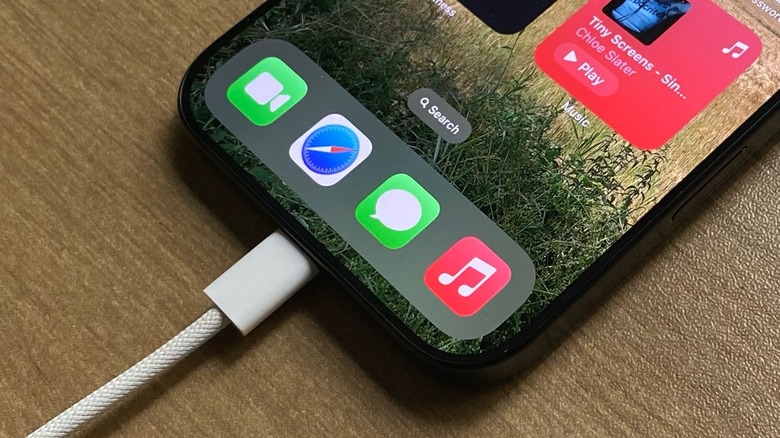
For those using more demanding gear, a portable dac amp guide wouldn't be complete without mentioning enthusiast-grade transportables. These units, like the offerings from iFi or Chord, often contain their own batteries. This prevents the DAC from draining your phone's battery and provides a much more stable power supply for the audio circuitry. This is especially useful for users of the iPhone 15 and 16, where the switch to USB-C has made bit-perfect playback and external hardware compatibility easier than ever before.
Pro-tip: When choosing a DAC, check for balanced 4.4mm output support. A balanced connection doubles the voltage delivered to your headphones and significantly reduces noise through common-mode rejection. It is the gold standard for mobile audiophiles in 2026.
Modern portable dac amp combo for iems options also address the common "listen or charge" dilemma. Many new models feature dual USB-C ports—one for data and one for power pass-through—allowing you to maintain high-resolution audio sessions without worrying about your device dying. Whether you are using Hi-Res streaming services like Tidal or Qobuz or playing local DSD files, these external devices ensure you are getting the full bit-depth and sample rate intended by the artist.
FAQ
What is a USB-C DAC and why is it used?
A USB-C DAC is an external device that takes the digital audio data from your smartphone or computer and converts it into an analog signal that your headphones can play. It is used to bypass the low-quality internal audio hardware of modern devices, providing much better sound quality, higher resolution support, and more power for demanding headphones.
Does a USB-C DAC improve sound quality?
Yes, a USB-C DAC significantly improves sound quality by providing a lower noise floor and better dynamic range. It uses higher-quality components and better shielding than the internal chips found in smartphones. This leads to clearer instrument separation, a wider soundstage, and a more accurate representation of the original recording.
Is there a difference between a USB-C adapter and a DAC?
While both plug into a USB-C port, a simple $9 adapter usually contains a very basic, low-cost chip that barely meets the minimum standards for audio. A true USB-C DAC is designed specifically for high-fidelity audio, featuring better digital-to-analog chips, dedicated amplification, and superior clocking to reduce jitter and distortion.
Do USB-C DACs work with all smartphones?
Most modern smartphones with a USB-C port, including the iPhone 15 and 16 series and most Android devices, are compatible with USB-C DACs. However, some older Android phones may require you to enable USB OTG (On-The-Go) in the settings or use a specific app like USB Audio Player Pro to achieve bit-perfect playback.
Does using a USB-C DAC drain phone battery?
Small dongle DACs are powered by your phone and will cause the battery to drain slightly faster, though most modern designs are very efficient. Larger, high-performance portable DACs often have their own internal batteries, which means they do not draw power from your phone and can actually preserve your phone's battery life during long listening sessions.
Can I use a USB-C DAC with a laptop or computer?
Yes, USB-C DACs are highly versatile and work perfectly with laptops, tablets, and desktop computers. In many cases, they offer a massive upgrade over the standard headphone jack on a laptop, which is often prone to significant electronic noise from the computer's internal fans and processors.
Conclusion
The shift toward USB-C audio marks the beginning of a modular era for music lovers. By moving the digital-to-analog conversion process outside of the smartphone, we have gained the freedom to choose hardware that matches our specific listening preferences. Whether you are looking for a simple way to use your favorite wired buds with an iPhone 16 or you need a high-powered portable amp to drive a pair of flagship planar magnetic headphones, there is a USB-C DAC that fits the bill.
The market for these devices is growing because the results speak for themselves. You no longer have to settle for the mediocre sound provided by a device designed to browse the web and take photos. With a dedicated USB-C DAC, your smartphone becomes a high-resolution audio transport capable of delivering a world-class listening experience wherever you go. As you look to upgrade your mobile setup, remember to match your DAC choice to your headphones' power needs, and don't be afraid to experiment with balanced outputs for the ultimate in audio excellence.