Quick Facts
- Top Value Pick: Steam Deck OLED ($549)
- Best for Families: Nintendo Switch 2 (Est. $450)
- Best Ultra-Budget: Retroid Pocket 5 ($219)
- Performance Delta: The Ally X leads by 20% in raw FPS but costs 100% more than alternatives
- Direct Answer: The best value alternatives to the ROG Ally X in 2026 are the Steam Deck OLED and the Nintendo Switch 2, both of which provide high-end gaming experiences for roughly $500 less.
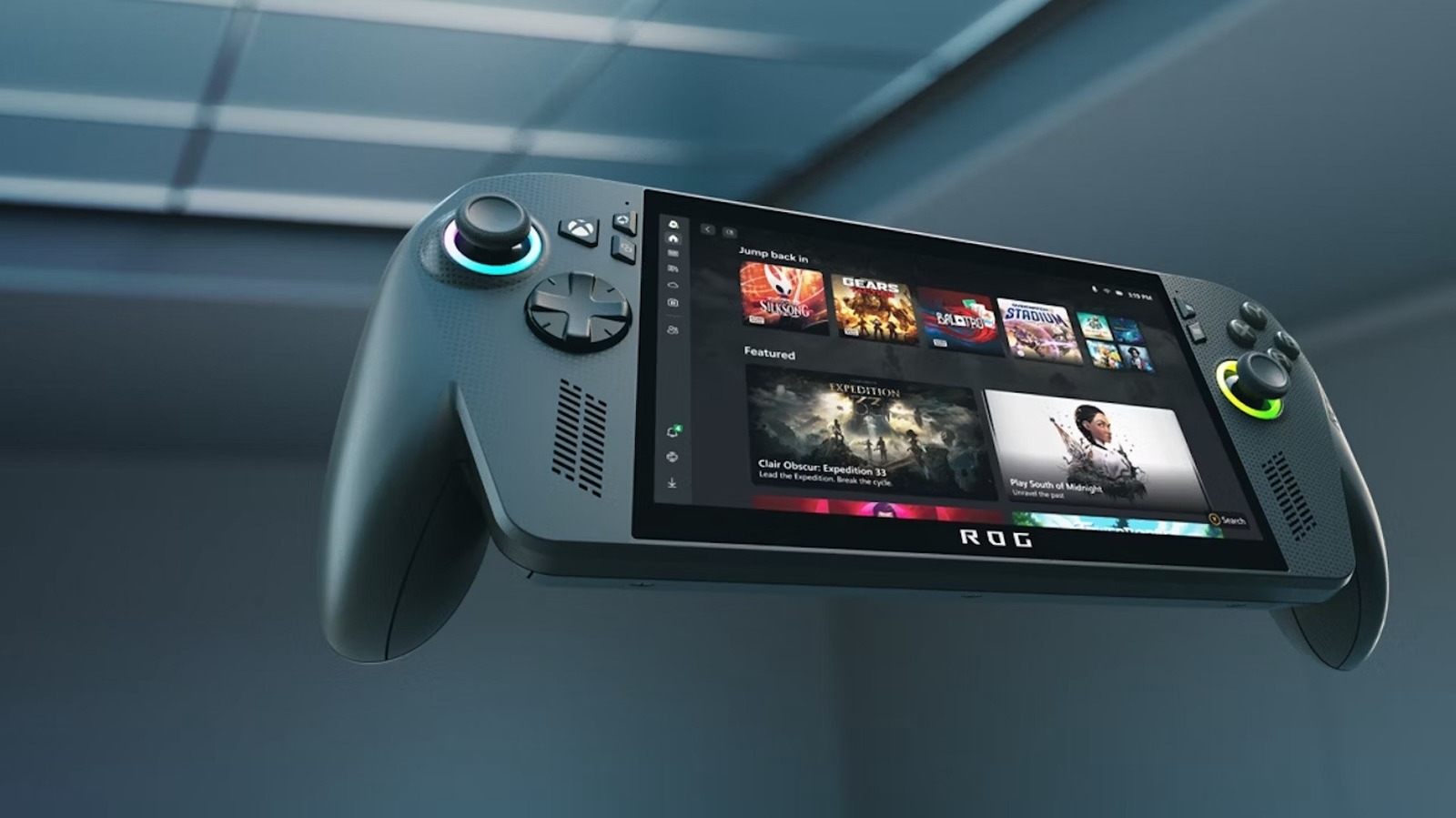
The ROG Ally X is a beast, but at $999, it is a luxury few casual players need. You can save $500 today by looking at the best affordable gaming handhelds that offer similar joy for half the price. The market has shifted toward specialized experiences, where the price-to-performance ratio of mid-range devices now outweighs the raw power of premium flagship models.
The $1,000 Dilemma: Why High-End Handhelds are Peak Luxury
Entering 2026, the handheld market has reached a tipping point. For a long time, we chased the highest frame rates and the densest spec sheets. However, the current economic climate and AI-driven hardware shortages have pushed the flagship tier into territory once reserved for high-end gaming laptops. When the ASUS ROG Ally X launched with a retail price of $799.99, it felt like a premium but reachable goal. Fast forward to today, and with upgraded storage and tax, you are looking at a $1,000 investment for a secondary gaming device.
Is the ROG Ally X worth it for casual players who just want to clear their backlog on the train? Probably not. The device is powered by the AMD Ryzen Z2 Extreme, a chip capable of incredible feats in handheld form. But if you are primarily playing indie hits like Hades II or optimized titles, you are paying for thermal management and processing power that stays idle 90% of the time. We are seeing a return to the smart money era, where gamers are realizing that spending $1,000 to play games on a seven-inch screen might be the definition of diminishing returns.
The Steam Deck OLED: The Gold Standard for $549
If you want the most seamless experience without the Windows 11 headache, the Steam Deck OLED remains the king of the mountain. While the Ally X is technically faster, the Steam Deck vs ROG Ally X debate has shifted. It is no longer just about benchmarks; it is about the user experience. SteamOS provides a console-like environment that just works. You press a button, and you are in your game. You don't have to worry about driver updates or Windows 11 handhelds UI bugs that still haunt more expensive rivals.
The 7.4-inch HDR OLED screen is arguably the best display in the business, offering deep blacks and vibrant colors that make the Ally X's LCD look washed out by comparison. Furthermore, the 640g weight and superior battery longevity make it a far better travel companion. In my testing, the Steam Deck OLED consistently hits the four-hour mark in demanding titles, whereas higher-powered devices often struggle to reach two hours without being tethered to a wall.
Buy it if:
- You have a massive Steam library and want a plug-and-play experience.
- You value screen quality and battery life over raw frame rates.
- You prefer a refined, Linux-based operating system.
Don't buy it if:
- You need to play games with aggressive anti-cheat (like Call of Duty or Game Pass titles) natively.
- You require a 1080p resolution for every single game.
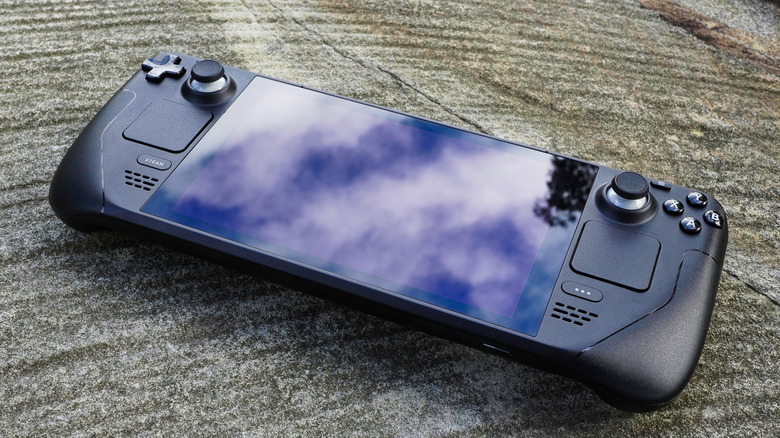
When considering a Steam Deck OLED vs ROG Ally X price comparison, the $450 you save is enough to buy fifty indie games or a high-end 2TB SSD upgrade with money to spare. It is the best cheap gaming handhelds with OLED screens option for anyone who values their time and their wallet.
The Nintendo Switch 2: Unbeatable Simplicity for $450
The arrival of the Nintendo Switch 2 has completely disrupted the budget handheld gaming PCs market. At an estimated $450, it is positioning itself as the ultimate value play. While it doesn't run Windows or SteamOS, its hardware is no slouch. With a 7.9-inch 120Hz VRR display, Nintendo has finally addressed the biggest complaints of the original hardware: the refresh rate and screen size.
The true value of the Switch 2 lies in its first-party exclusives and ergonomic controls. You aren't just buying a piece of silicon; you are buying access to Zelda, Mario, and Metroid in a format that works perfectly every time. For families or casual gamers, the simplicity of a dedicated console beats the troubleshooting often required on a Windows 11 device. There are no launchers to manage and no graphic settings to tweak.
Buy it if:
- You want the best library of exclusive games in the industry.
- You are looking for a device that "just works" out of the box.
- You have children or travel frequently and need something durable.
Don't buy it if:
- You want to play high-end PC ports that aren't optimized for Nintendo hardware.
- You want to use your handheld as a desktop replacement.
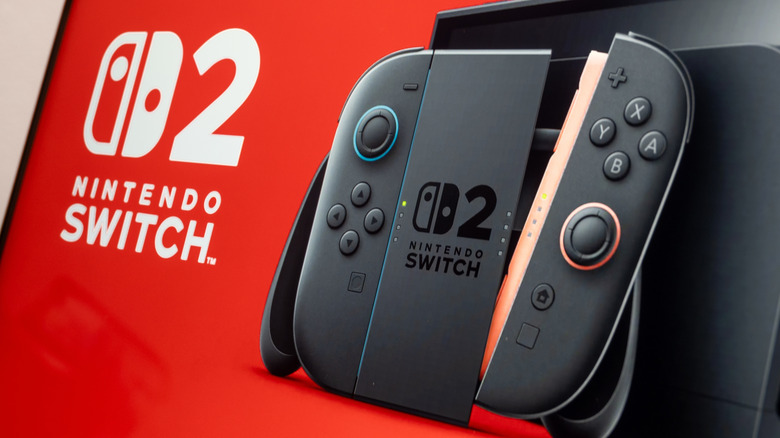
As we look for the best value handheld consoles to buy in 2026, the Switch 2 stands out because it doesn't try to be a PC. It embraces the portable form factor and optimizes every watt of power for the screen in front of you.
Budget PC Power: Finding Windows Handhelds Under $600
If you absolutely must have Windows for Game Pass or specialized software, you don't need to spend $1,000. There are several affordable gaming handhelds that provide a great 1080p experience for much less. The original ROG Ally (Z1 Extreme version) is frequently on sale for under $500, and it still handles AAA title optimization remarkably well.
Another dark horse in the race is the Retroid Pocket 5. While primarily known for emulation, it has become a staple for those who want a small, ultra-portable device for indie games and cloud streaming. At $219, it is the floor of the market, proving that you don't need a four-figure budget to enjoy gaming on the go.
For those looking for budget handheld gaming PCs under 600 dollars, the market is currently flooded with refurbished Legion Go units and older Ally models. These devices still offer the versatility of a full PC, allowing you to use them for light work or media consumption, but without the premium "newest model" tax.
Performance Reality Check: FPS-per-Dollar Comparison
To understand why we recommend these high-value alternatives to the ROG Ally X, we have to look at the numbers. More power doesn't always equal a better experience when you factor in the cost.
| Device | Price | Performance (Cyberpunk 2077 - Low/Med) | Value Score |
|---|---|---|---|
| ROG Ally X | $999 | 54 FPS (1080p) | 6/10 |
| Steam Deck OLED | $549 | 38 FPS (800p) | 9/10 |
| Nintendo Switch 2 | $450 (Est.) | Optimized 60 FPS (720p/1080p DLSS) | 10/10 |
| ROG Ally (Z1E) | $499 | 45 FPS (1080p) | 8/10 |
As shown in the table, the Ally X is the performance leader, but the price-to-performance ratio is skewed. You are paying nearly double the price of a Steam Deck OLED for a 16 FPS gain in one of the most demanding games on the market. For the majority of titles, especially indies and older AAA games, the difference is negligible.
In 2026, "good enough" has become the mantra. With features like VRR and Hall effect sensors becoming standard across most $500+ devices, the gap between the mid-range and the high-end has narrowed significantly. Unless you are a power user who demands the absolute maximum frame rate and plans to use the device as your primary gaming machine, that extra $500 is better spent elsewhere.
FAQ
What is the best budget gaming handheld right now?
The Steam Deck OLED is widely considered the best budget-friendly option for PC gamers. It offers a premium display and a console-like experience for $549, which is significantly lower than the price of most Windows-based competitors.
How much does a decent gaming handheld cost?
In 2026, a decent gaming handheld typically costs between $450 and $600. While you can find ultra-budget options for $200, the $500 price point is where you find the best balance of screen quality, performance, and battery life.
Can affordable handheld consoles run PC games?
Yes, many affordable handhelds like the Steam Deck and the base ROG Ally are designed specifically to run PC games. While they may not hit the same frame rates as a $1,000 flagship, they can comfortably run most AAA titles at medium settings.
Which affordable handheld has the best battery life?
The Steam Deck OLED currently leads the pack in terms of battery longevity for PC-capable handhelds. Due to its efficient SteamOS and OLED power management, it can last between 3 to 10 hours depending on the intensity of the game.
Making the Right Choice
Choosing the right handheld in 2026 isn't about who has the biggest spec sheet; it is about who provides the most joy per dollar. If you are a value hunter who wants access to a massive library with zero friction, the Steam Deck OLED is your best bet. If you are a Nintendo fan or looking for something the whole family can use, wait for the Switch 2.
The ROG Ally X is an impressive piece of engineering, but for most of us, it represents a level of luxury that doesn't translate to more fun. By choosing one of these high-value alternatives, you can pocket that $500 and still enjoy a world-class gaming experience wherever you go.