Our Top Picks
- Best Overall: TP-Link Archer BE900 – Offers unmatched quad-band performance and dual 10Gbps ports for future-proofed home networking.
- Best for Gaming: ASUS ROG Rapture GT-BE19000 – Features dedicated gaming ports and ultra-low latency optimization for competitive play.
- Best Mobile Device: iPhone 17 Pro Max – The gold standard for mobile 802.11be integration, reaching peak wireless speeds on the go.
- Best Mesh System: Asus ZenWiFi BQ16 Pro – Delivers seamless whole-home coverage with a dedicated 6 GHz backhaul.
- Best Value Router: TP-Link Archer BE3600 – The most affordable way to enter the Wi-Fi 7 ecosystem without breaking the bank.
In 2026, the best wi-fi 7 devices include flagship smartphones like the iPhone 17 and Galaxy S26 series, high-end laptops featuring Intel Core Ultra chips, and Sony's PlayStation 5 Pro. Leading routers like the TP-Link Archer BE900 and Asus ZenWiFi BQ16 Pro provide the necessary infrastructure to utilize the 802.11be standard, offering tri-band connectivity and multi-gigabit throughput across the 6 GHz frequency band.
As we move into the second half of 2026, wi-fi 7 devices have officially gone mainstream. From the iPhone 17 to the ultra-fast ps5 pro wifi 7 support, the 802.11be standard is no longer a luxury but a necessity for multi-gigabit speeds. In this guide, we review the top hardware that leverages Multi-Link Operation (MLO) and the 6 GHz frequency band to eliminate lag. The technology has matured rapidly, with the standard offering a theoretical maximum data rate of 46 Gbps, nearly five times faster than the previous generation.
| Device | Primary Use | Max Speed Capability | 10GbE Ports | Subscription Requirement |
|---|---|---|---|---|
| TP-Link Archer BE900 | Whole Home | 24 Gbps | 2 Ports | Optional (HomeShield) |
| ASUS ROG GT-BE19000 | Hardcore Gaming | 19 Gbps | 2 Ports | None (Lifetime Security) |
| Deco BE63 (3-pack) | Large Estates | 10 Gbps | 4 Ports (2.5G) | Optional |
| iPhone 17 Pro Max | Mobile / 8K Video | 5.8 Gbps | N/A | None |
| PS5 Pro | Gaming Console | 5.8 Gbps | N/A | None |
Leading Wi-Fi 7 Routers: The Core of Your 2026 Network
Your wireless network is only as strong as its foundation. In 2026, the best wifi 7 router 2026 options are distinguished by their ability to handle massive data loads without heating up or dropping packets. The TP-Link Archer BE900 remains at the top of the heap. It is a quad-band powerhouse that looks more like a modern monolith than a router. With its dual 10Gbps Ethernet ports, it ensures that your internal network never becomes a bottleneck for the hyper-fast fiber speeds now common in urban centers.
For those focused on competitive play, a wifi 7 gaming router like the ASUS ROG Rapture GT-BE19000 is indispensable. This device uses 4K-QAM modulation to pack more data into every signal, reducing the time it takes for your inputs to reach the game server. It leverages the 6 GHz frequency band to escape the congestion of 2.4 GHz and 5 GHz, providing a clean lane for gaming traffic.
If you are watching your budget, the market has finally provided accessible entry points. The TP-Link Archer BE3600 has become a favorite in 2026 for providing 802.11be standard features under the $100 mark. While it lacks the extreme multi-gigabit throughput of its larger siblings, it still supports Multi-Link Operation, allowing your phone to connect to multiple bands simultaneously for improved stability.
Tech Tip: When shopping for hardware, always look for the 802.11be label on the box. If a device only lists 802.11ax, it is a Wi-Fi 6 or 6E device and will not support the newest speed enhancements.
Smart Home Mesh Systems for Whole-House Coverage
In larger homes, a single router often struggles with range, especially since the 6 GHz frequency band used by Wi-Fi 7 has a shorter reach than lower frequencies. This is where a wifi 7 mesh router system becomes essential. The Asus ZenWiFi BQ16 Pro is a standout performer in 2026. It uses a dedicated wireless backhaul on the 320 MHz channel bandwidth to link units, ensuring that even the furthest corner of your home receives the same speed as the living room.
The Deco BE63 offers a slightly more balanced approach for the average family. It is specifically designed to handle 8K video streaming in multiple rooms while simultaneously managing dozens of smart home sensors. By utilizing tri-band connectivity, the system can intelligently route traffic. If the 6 GHz lane is busy, Multi-Link Operation allows the system to seamlessly shift data to the 5 GHz band without a millisecond of interruption. This level of network management is what separates 2026 hardware from the older, more erratic mesh systems of the past.
Smartphones and Mobile Gear with 802.11be Support
The real catalyst for the shift in the global network landscape was the release of flagship mobile devices. As of early 2026, global Wi-Fi 7 adoption reached nearly 2% of total samples, a number heavily propped up by mobile upgrades. Leading this charge are smartphones with wifi 7 support 2026 like the iPhone 17 series and the Samsung Galaxy S26.
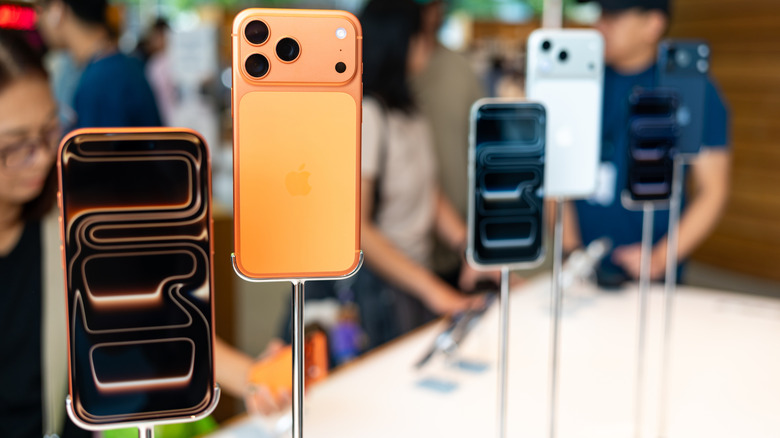
The iPhone 17 Pro Max, in particular, has become the poster child for mobile 802.11be. It utilizes Multi-Link Operation to stay connected to both the 5 GHz and 6 GHz bands at once. This results in ultra-low latency that was previously only possible with a wired connection. It is important to note, however, that not every mobile device in 2026 supports this standard. Budget-tier models like the SE or FE versions often skip the expensive Wi-Fi 7 silicon, so checking the spec sheet for the 802.11be standard is vital before purchasing.
Gaming and Computing: PS5 Pro & Wi-Fi 7 Laptops
Gamers were the earliest adopters of this technology. The ps5 pro wifi 7 capabilities have transformed the console from a local gaming machine into a cloud-streaming beast. With the PS5 Pro, downloading a 100GB game can take less than five minutes on a properly configured 10Gbps Ethernet ports setup. Even when playing wirelessly, the console’s use of the 6 GHz frequency band means that interference from your neighbor’s microwave or older router is a thing of the past.
In the world of computing, the best wifi 7 laptops 2026 now feature Intel Core Ultra chips with native 802.11be integration. These machines are designed for creators who need to move massive files—like raw 8K video footage—across a local network. By utilizing the 320 MHz channel bandwidth, these laptops can achieve wireless transfer speeds that rival traditional Thunderbolt cables. This freedom allows professionals to work from any room in the house without feeling tethered to a desk.
Compatibility Guide: Will Wi-Fi 7 Work with Older Devices?
A common concern for many users is whether their existing gadgets will become obsolete. The short answer is no. A wifi 7 router is fully backward compatible with older devices using Wi-Fi 6E, Wi-Fi 6, and earlier standards. However, your legacy hardware will not suddenly become faster just because you bought a new router.
Think of it like a highway. A Wi-Fi 7 router adds a brand-new, six-lane superhighway (the 6 GHz band) alongside the old two-lane country roads (2.4 GHz and 5 GHz). Your old Wi-Fi 5 smartphone is like a slow car that is restricted to the old country roads. It will still get to its destination, but it can’t access the new six-lane highway or the high speed limits. To get the benefits of Multi-Link Operation or the 320 MHz channel bandwidth, the "car" (your device) must also be built for the new highway.
The real benefit for your older devices is the improved network congestion management. New routers are much better at directing traffic, meaning your old Wi-Fi 5 laptop might actually perform more reliably because the new Wi-Fi 7 devices have moved over to the empty 6 GHz lane, leaving the 5 GHz band less crowded.
FAQ
What devices actually use WiFi 7?
In 2026, the list includes flagship smartphones like the iPhone 17 and Samsung Galaxy S26, the PlayStation 5 Pro, high-end laptops with Intel Core Ultra or AMD Ryzen 9000 series chips, and premium tablets. Specialized VR headsets and 8K smart TVs launched in late 2025 and 2026 also utilize the 802.11be standard to ensure lag-free streaming and immersive experiences.
Is WiFi 7 overkill?
For the average user checking emails or streaming a single 4K movie, Wi-Fi 7 may feel like overkill today. However, for households with multiple 8K streams, professional creators working with large cloud files, or competitive gamers, the ultra-low latency and higher throughput are game-changers. With the annual shipments of Wi-Fi 7 access points forecasted to reach 117.9 million units in 2026, it is quickly becoming the new baseline for future-proofed homes.
Does WiFi 7 penetrate walls better?
Physically, the 6 GHz frequency band used by Wi-Fi 7 has a harder time passing through thick walls and floors compared to the 2.4 GHz band. However, Wi-Fi 7 uses a technology called Preamble Puncturing. This allows the router to "carve out" a piece of a busy channel to send data through, effectively finding small gaps in interference that older routers would have been blocked by, which improves perceived range and stability.
What is a WiFi 7 device?
A WiFi 7 device is any piece of hardware—be it a router, smartphone, or laptop—that is equipped with a radio chip supporting the IEEE 802.11be standard. These devices can access the 6 GHz frequency band, use 320 MHz wide channels, and employ Multi-Link Operation to communicate across different frequencies simultaneously for maximum speed and reliability.
Is there a downside to WiFi 7?
The primary downside in 2026 remains the cost of entry and the range of the higher frequency bands. High-end wi-fi 7 devices and routers can be significantly more expensive than their Wi-Fi 6 predecessors. Additionally, to get the full benefit of 46 Gbps speeds in a large home, you will likely need to invest in a mesh system, as the 6 GHz signal does not travel as far as older, slower signals.
Final Verdict: Is 2026 the Time to Upgrade?
As we look at the landscape in 2026, the transition to the 802.11be standard is no longer a question of "if" but "when." With Singapore leading the world with a 25% adoption rate in early 2026, the global community is seeing the tangible benefits of 10 Gbps broadband initiatives. If you are currently using a Wi-Fi 5 router, the jump to a wifi 7 router will be revolutionary. You will notice an immediate difference in stability and a massive increase in raw speed.
If you already own a high-end Wi-Fi 6E system, the upgrade is less urgent unless you are adding a ps5 pro wifi 7 console or an iPhone 17 to your collection. The true power of these wi-fi 7 devices is unlocked when the entire ecosystem—from the ISP gateway to the router and finally to the client device—supports the new standard. For those looking to future-proof their homes for the next five years, 2026 is the perfect year to make the switch to a high-performance network that can handle the data demands of the next decade.