Our Top Picks
- Samsung Galaxy S24: The best compact Android phone for most users, prioritizing one-handed usability and seven years of software reliability.
- Samsung Galaxy S24+: The best value in the lineup, offering a larger 1440p display and faster charging without the Ultra price tag.
- Samsung Galaxy S24 Ultra: The ultimate power user device featuring a titanium frame, integrated S Pen, and a dedicated 5x optical zoom lens.
The Samsung Galaxy S24 represents the pinnacle of compact Android design. In this Samsung Galaxy S24 review, we explore why this $800 flagship is the best choice for those who want power without the bulk. The Samsung Galaxy S24 is the best compact Android phone for most users, offering a perfect balance of a 2,600-nit LTPO display, a significantly improved battery life compared to the S23, and seven years of guaranteed software updates.
Design and Display: Small Phone, Big Brightness
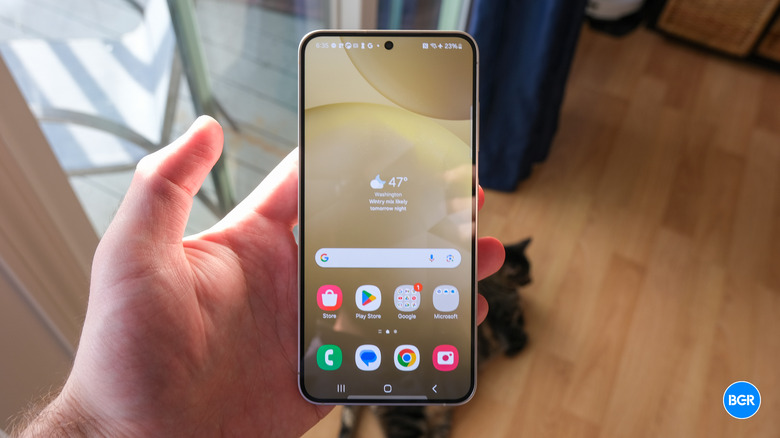
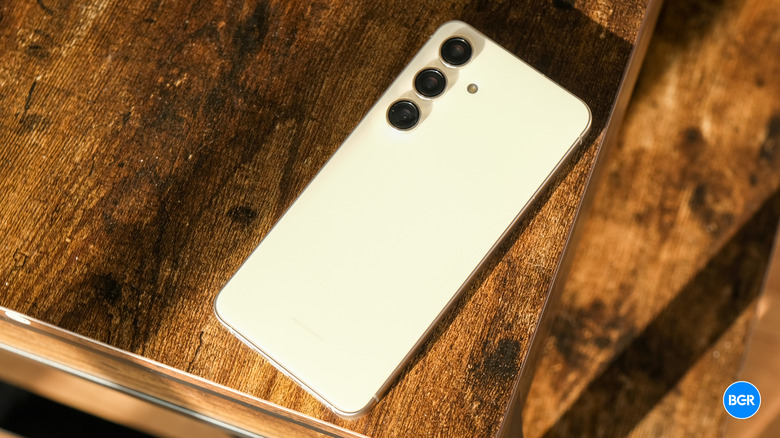
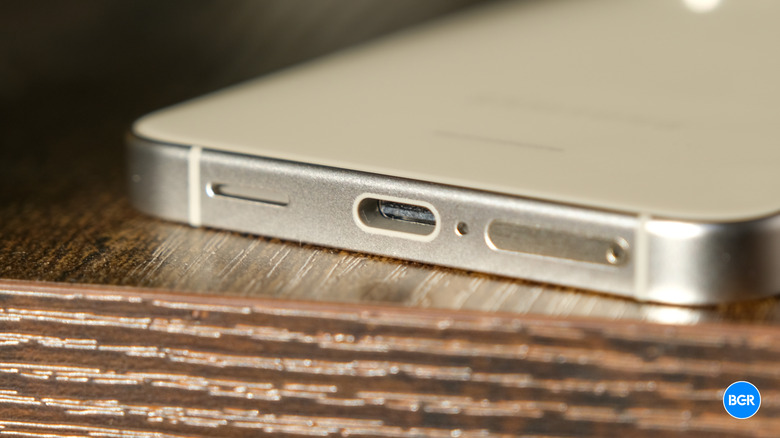
For years, fans of small phones have had to compromise on features to get a device that doesn't stretch their pockets. Samsung has addressed this by making the Galaxy S24 compact design and ergonomics a central selling point. Holding the S24 feels like a breath of fresh air in an era of massive slabs. The device features a refined Armor Aluminum frame that feels more durable and premium than previous iterations, with a soft-touch matte finish that resists fingerprints remarkably well.
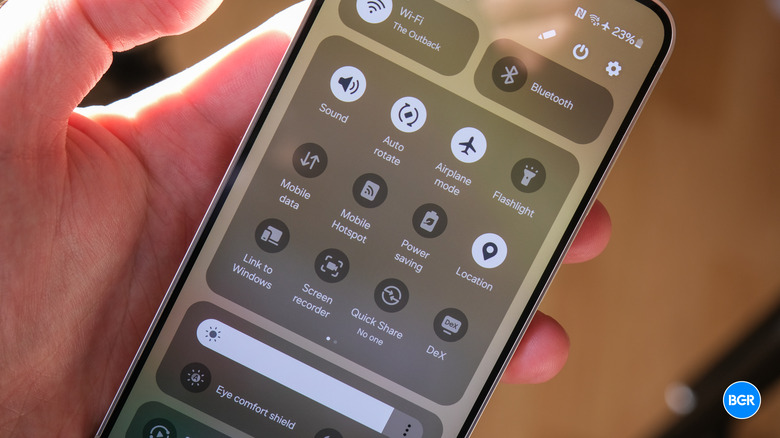
The star of the show is the 6.2-inch LTPO AMOLED display. Unlike previous base models that were stuck with fixed refresh rates, this panel now features an adaptive refresh rate that can scale from 1Hz to 120Hz. This technical shift is crucial for efficiency, but what you will notice daily is the incredible peak brightness levels. Reaching up to 2,600 nits, the screen remains perfectly legible even under the harshest direct midday sun. It makes HDR content pop with a level of intensity usually reserved for the most expensive televisions.
While the S24+ and Ultra have moved to QHD+ resolutions, the standard S24 maintains a 1080p resolution. On a screen this size, the pixel density remains high enough that text looks crisp, but if you are coming from a larger device with a 1440p screen, you might notice the difference in extreme close-ups. However, the trade-off is worth it for the improved one-handed usability and the IP68 water resistance that gives you peace of mind during rainy commutes or accidental spills.
Performance and AI: Is Galaxy AI More Than Hype?
Under the hood, the North American variant of the S24 runs on the Snapdragon 8 Gen 3 processor, paired with 8GB of RAM. In daily use, the phone is lightning fast. Apps open instantly, and the One UI 6 interface feels more fluid than ever. Samsung has also enlarged the vapor chamber cooling system, which helps maintain high performance during extended gaming sessions without the phone becoming uncomfortably hot.
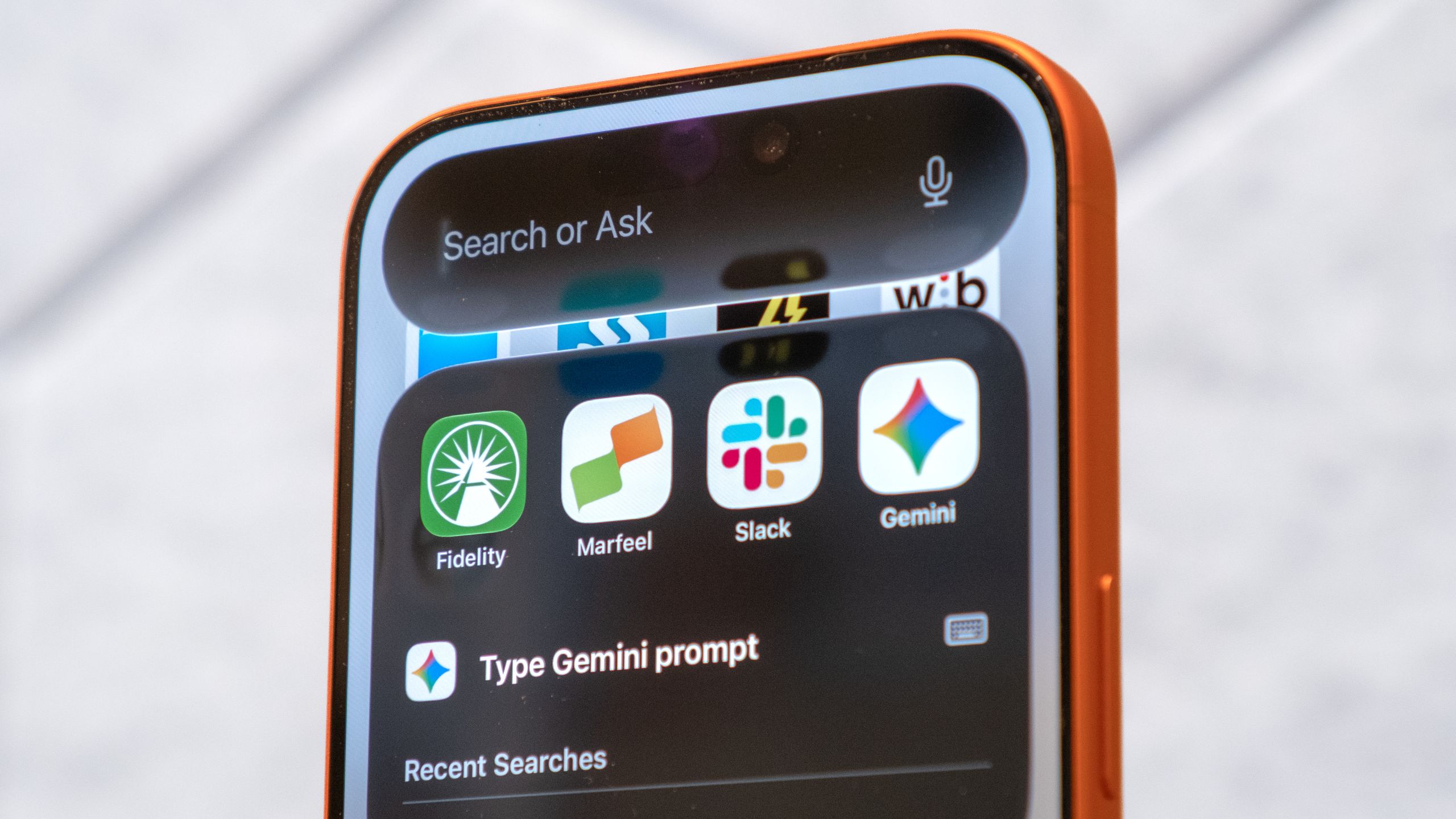
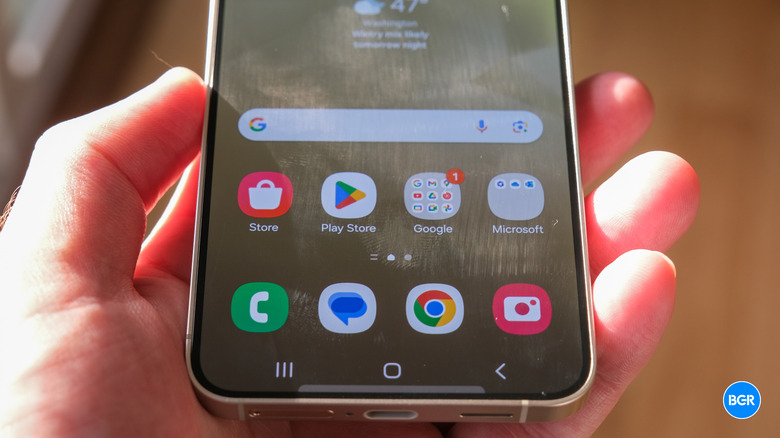
This year, however, the conversation isn't just about silicon; it is about the Samsung S24 Galaxy AI features. Samsung’s push into artificial intelligence is evident, as the S24 series captured a 58% share of the global GenAI-capable smartphone market in the first quarter of 2024. The most practical of these tools is Circle to Search. By long-pressing the home button or gesture bar, you can circle anything on your screen—a pair of boots in a YouTube video, a landmark in an Instagram post—and get instant Google search results. It is the kind of feature that quickly becomes second nature.
For creative users, the Samsung Galaxy S24 AI photo editing slow mo guide highlights how generative AI can transform your media. The generative Slow-Mo tool is particularly impressive; it uses AI to insert artificial frames into any video in your gallery, turning standard footage into a buttery smooth slow-motion clip. While some generative AI tools like the wallpaper creator feel experimental, the productivity tools integrated into the notes app and voice recorder are genuinely useful for summarizing meetings or organizing thoughts.
Comparing the Samsung Galaxy S24 vs OnePlus 12 highlights two different philosophies. The Samsung Galaxy S24 vs OnePlus 12 performance comparison shows that while the OnePlus 12 might have more RAM, the S24 offers a more polished and stable software experience. The generative AI tools on the S24 are also more deeply integrated into the system compared to the more hardware-focused approach of OnePlus.
Battery Life and Charging: The Real Reason to Upgrade
The biggest complaint about the Galaxy S22 and S23 was often the endurance. Fortunately, Samsung Galaxy S24 battery life has seen a massive leap forward. Despite the thin profile, the 4,000mAh battery paired with the efficient Snapdragon chip and the LTPO panel delivers surprising longevity. In our streaming video tests, the S24 consistently outlasts its predecessor, often lasting a full day of heavy use or even up to two days with lighter activity.
Battery Life Comparison (Video Streaming Test)
| Device | Battery Capacity | Average Run Time |
|---|---|---|
| Samsung Galaxy S24 | 4,000 mAh | 14 hours 20 mins |
| Samsung Galaxy S23 | 3,900 mAh | 12 hours 15 mins |
| OnePlus 12 | 5,400 mAh | 17 hours 45 mins |
| Google Pixel 8 | 4,575 mAh | 11 hours 50 mins |
The Samsung Galaxy S24 battery life vs S23 comparison shows a roughly 15-20% improvement in real-world screen-on time. However, there is a catch. Samsung still limits the base S24 to 25W wired charging. In an era where the OnePlus 12 offers 80W or 100W speeds that can top up a phone in 30 minutes, Samsung's insistence on 25W feels dated. You will still need about 75 minutes for a full charge from zero, which is something to consider if you often find yourself needing a quick midday boost.
Camera Quality: Consistency Over Innovation
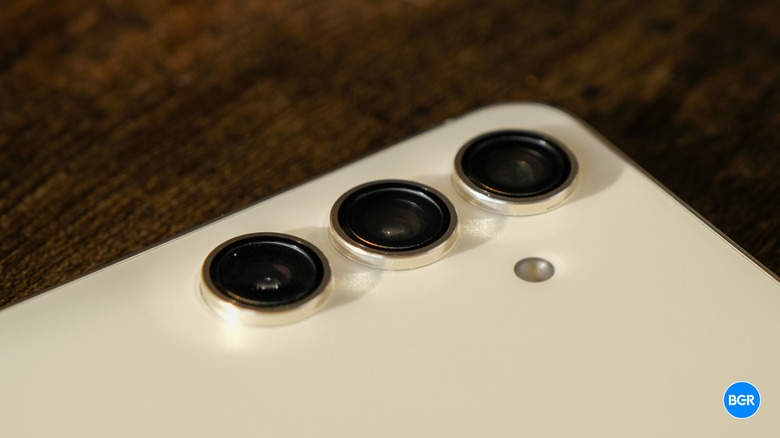
Samsung didn't reinvent the wheel with the hardware here. You get a triple camera system consisting of a 50MP main sensor, a 12MP ultra-wide, and a 10MP telephoto with 3x optical zoom. While the sensors are similar to last year, the computational photography algorithms have been overhauled.
The Galaxy S24 vs Google Pixel 8 camera quality debate usually comes down to personal preference in color science. The S24 produces vibrant, punchy images that are ready for social media without any editing. Samsung has toned down the aggressive sharpening of previous years, leading to more natural-looking textures in skin and foliage. The 3x optical zoom remains a huge advantage over the Pixel 8, which relies entirely on digital cropping for its zoom shots.
Low-light performance is also improved thanks to better noise reduction. Optical image stabilization keeps things steady, and the AI-powered Object Eraser tool makes it easy to remove photobombers from your shots. It is a reliable, consistent camera that might not have the "wow" factor of the Ultra’s 200MP sensor, but it produces great results in 95% of shooting scenarios.
The 2031 Verdict: Why the S24 is a Long-Term Investment
One of the most compelling reasons to choose the S24 is the promise of long-term software support. Samsung has committed to seven years of OS and security updates. This means your phone will stay current until 2031, which drastically increases its resale value and reduces the environmental impact of frequent upgrades.
For those considering upgrading from Galaxy S21 to S24 benefits, the move is a no-brainer. You are gaining a significantly brighter screen, a much more efficient processor, and a battery that doesn't require a midday charge. Samsung's recent success reflects this value proposition. Cumulative global sales for the Samsung Galaxy S24 series reached 37.17 million units in 2024, representing a 19% annual growth compared to the Galaxy S23 series in its launch year. Furthermore, Samsung achieved a 31% market share in the United States during the first quarter of 2024, its highest level in four years.
Specs at a Glance
| Feature | Galaxy S24 | Galaxy S24+ | Galaxy S24 Ultra |
|---|---|---|---|
| Display | 6.2-inch FHD+ LTPO | 6.7-inch QHD+ LTPO | 6.8-inch QHD+ LTPO |
| Processor | Snapdragon 8 Gen 3 | Snapdragon 8 Gen 3 | Snapdragon 8 Gen 3 |
| RAM | 8GB | 12GB | 12GB |
| Storage | 128GB / 256GB | 256GB / 512GB | 256GB - 1TB |
| Charging | 25W Wired | 45W Wired | 45W Wired |
| Frame | Armor Aluminum | Armor Aluminum | Titanium |
FAQ
Is the Samsung Galaxy S24 worth the upgrade?
If you are coming from an S21 or older, yes. The improvements in display brightness, battery efficiency, and the seven-year software commitment make it a significant jump. If you have an S23, the upgrade is less essential unless you specifically want the new AI features or the LTPO display.
What are the main differences between the S24 and S23?
The S24 introduces a much brighter 2,600-nit LTPO display with a 1-120Hz refresh rate, whereas the S23 had a lower peak brightness and was less efficient. The S24 also features the faster Snapdragon 8 Gen 3 chip and new Galaxy AI tools like Circle to Search.
How long does the battery last on the Samsung S24?
In a typical day of mixed use, you can expect the S24 to last about 14 to 15 hours. For light users, it can easily stretch into a second day. This is a noticeable improvement over the S23 and S22 models thanks to the more efficient display panel and processor.
What are the new AI features in the Samsung S24?
Key highlights include Circle to Search for instant object identification, Live Translate for real-time phone call translation, and Generative Edit for moving or removing objects in photos. It also features a Slow-Mo tool that adds frames to existing videos for a smoother look.
How does the S24 compare to the S24 Ultra?
The S24 is a compact, one-handed device with an aluminum frame and 1080p screen. The S24 Ultra is much larger, features a titanium build, includes the S Pen, has a much higher resolution display, and offers superior zoom capabilities with its 200MP main camera and 5x optical lens.
What are the pros and cons of the Samsung Galaxy S24?
The pros include its excellent compact size, incredible display brightness, seven years of updates, and improved battery life. The cons are the relatively slow 25W charging, the base 128GB storage using slower UFS 3.1 technology, and the 1080p resolution compared to the QHD+ of larger models.