Our Top Picks
- Best for Information Recall: Personal Context Awareness via the semantic index.
- Best for Data Entry: Screen Awareness for extracting information from messy apps.
- Best for Productivity: Cross-app actions using the App Intents framework.
- Compatibility Badge: Requires an A17 Pro chip or newer (iPhone 15 Pro, 16, 17 series) running iOS 27.
Siri AI is worth using daily in 2026 if you prioritize screen awareness, personal context understanding, and cross-app orchestration. These features transform siri ai from a voice tool into a proactive agentic assistant for iPhone 15 Pro and newer devices. While the initial learning curve involves understanding what your hardware can handle, the friction reduction in managing digital housekeeping makes the upgrade compelling for power users.
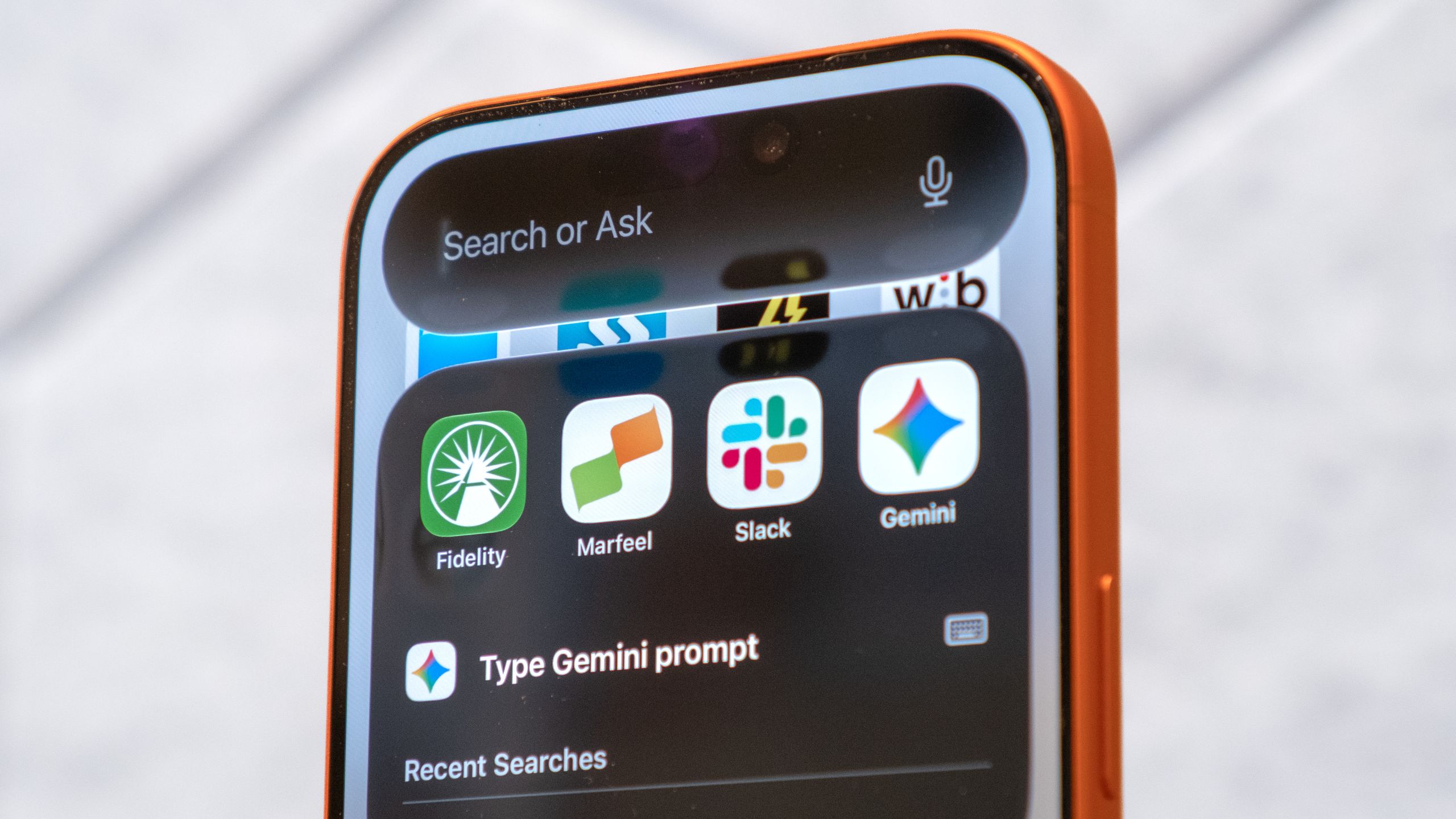
When Apple first announced the overhaul of its virtual assistant, the skepticism was palpable. For years, many of us treated the hey siri voice as little more than a kitchen timer or a weather reporter. However, after living with the iOS 27 ecosystem on my iPhone 17 Pro for several months, it is clear that siri ai has moved past the era of canned responses. This siri ai review 2026 verdict centers on one fundamental shift: the assistant is no longer just talking to you; it is working with your data.
To help you decide if it is time to move on from your older hardware, I have broken down the three most practical tools that have actually made it into my daily rotation.
| Category | Requirement | Supported Devices |
|---|---|---|
| Minimum Chipset | A17 Pro or A18+ | iPhone 15 Pro / Max, iPhone 16/17 Series |
| Operating System | iOS 27 | Public Release or Developer Beta |
| Memory Buffer | 8GB RAM Minimum | Required for on-device Large Language Models |
| Compute Type | Hybrid | On-device processing + Private Cloud Compute |
Feature 1: Screen Awareness - The End of Manual Data Entry
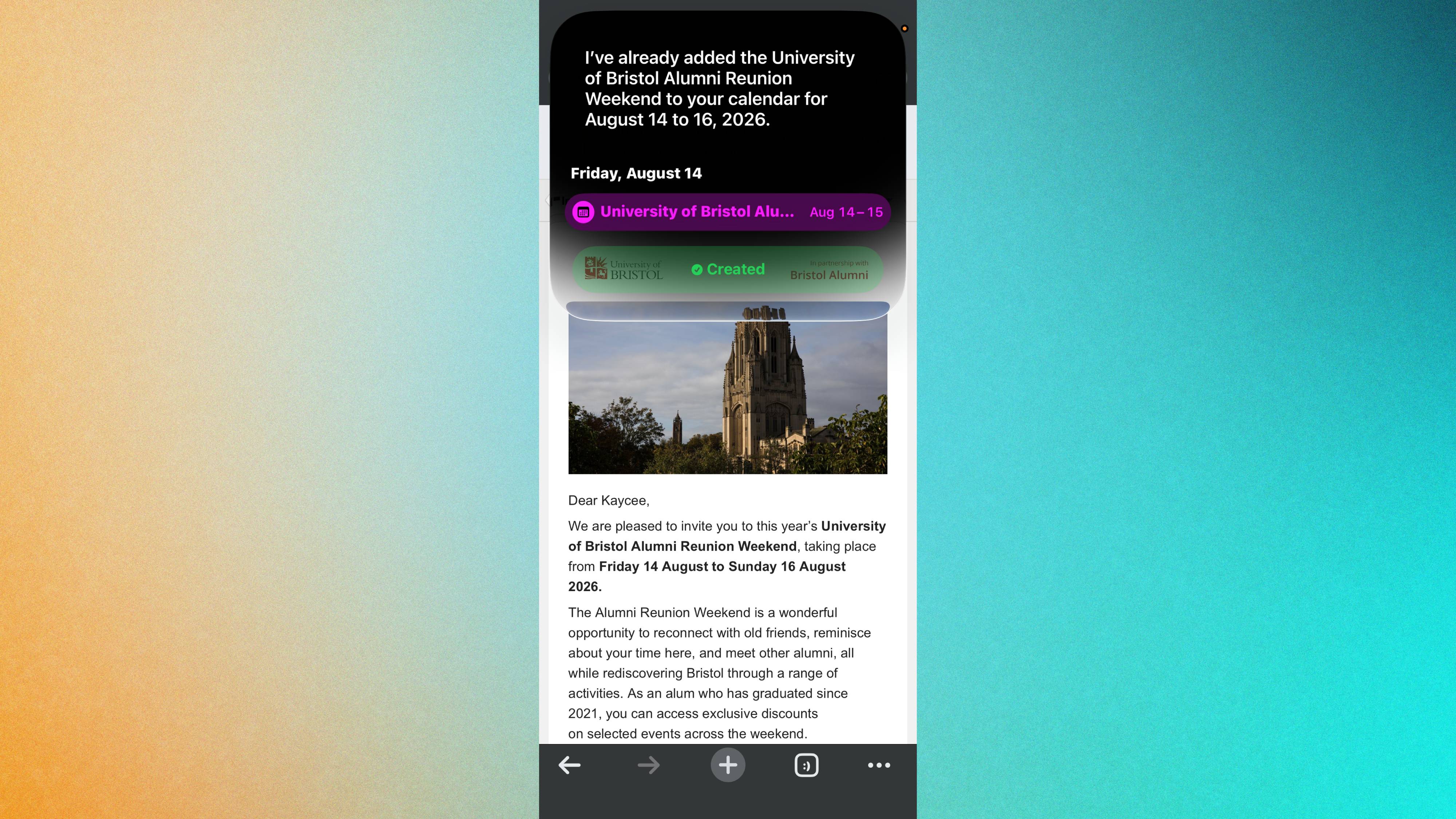
One of the most frustrating aspects of mobile multitasking has always been the "copy-paste dance." You receive an event invite in a group chat, then you have to exit, open your calendar, and manually type in the details. With the current iteration of siri ai, that friction is effectively gone. Screen awareness allows the assistant to perceive and interact with content visible on your display in real-time.
In my testing, I looked for siri ai screen awareness practical examples that would test the limits of natural language processing. I opened a cluttered, poorly formatted email from my local recreational soccer league that contained a schedule for the entire month. Instead of highlighting text, I simply invoked the assistant and said, "Add the games from this email to my calendar."
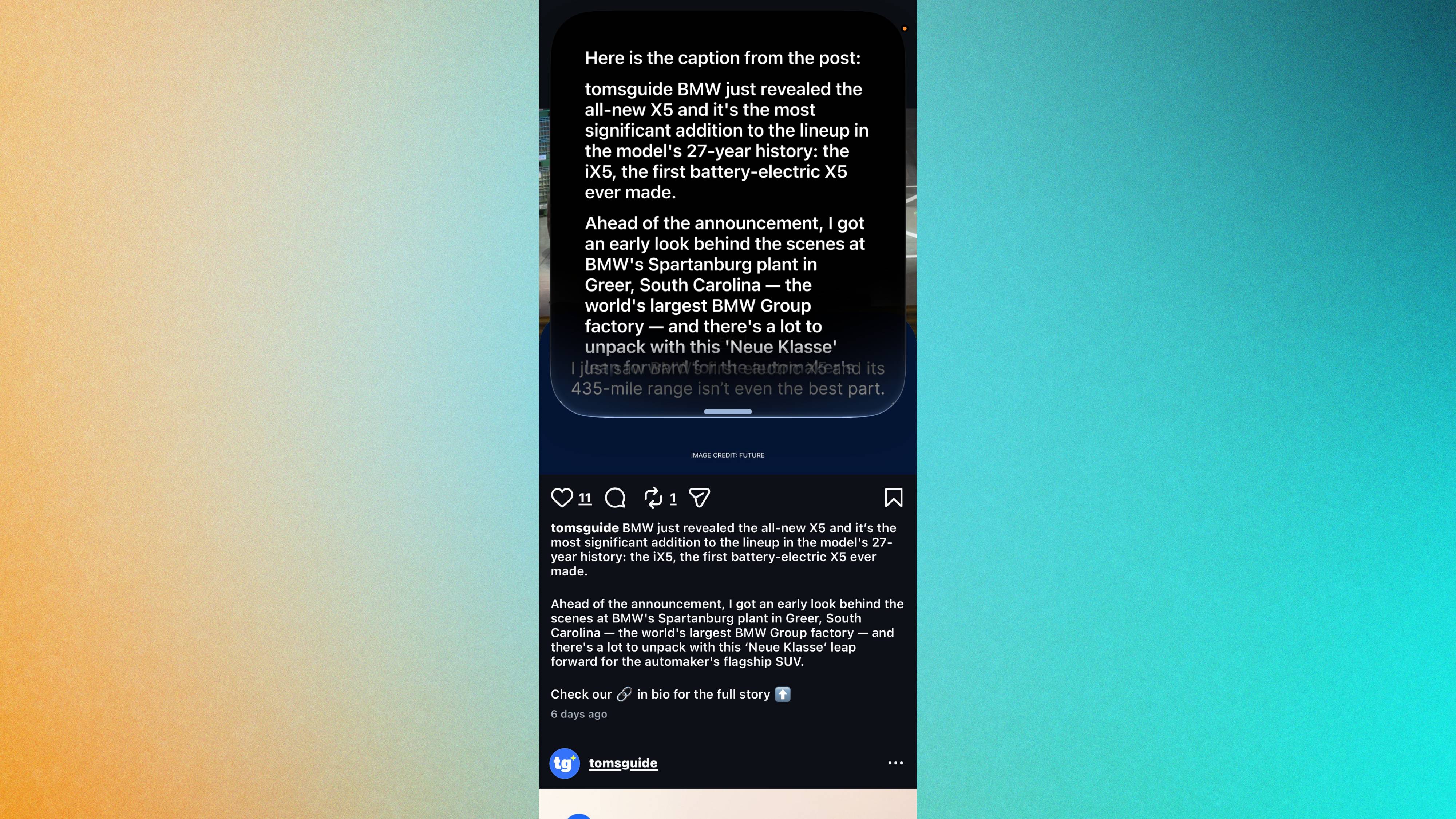
Because the siri ai voice is now backed by a multimodal interface, it "read" the screen, identified the dates, times, and locations, and populated my calendar in three seconds. It didn't just scrape text; it understood the context of the data it was seeing. This multimodal approach is supported by the App Intents framework, which allows Siri to look into the "digital window" of third-party apps to find relevant info without you having to lift a finger.
Feature 2: Personal Context - Your Private Data Indexed
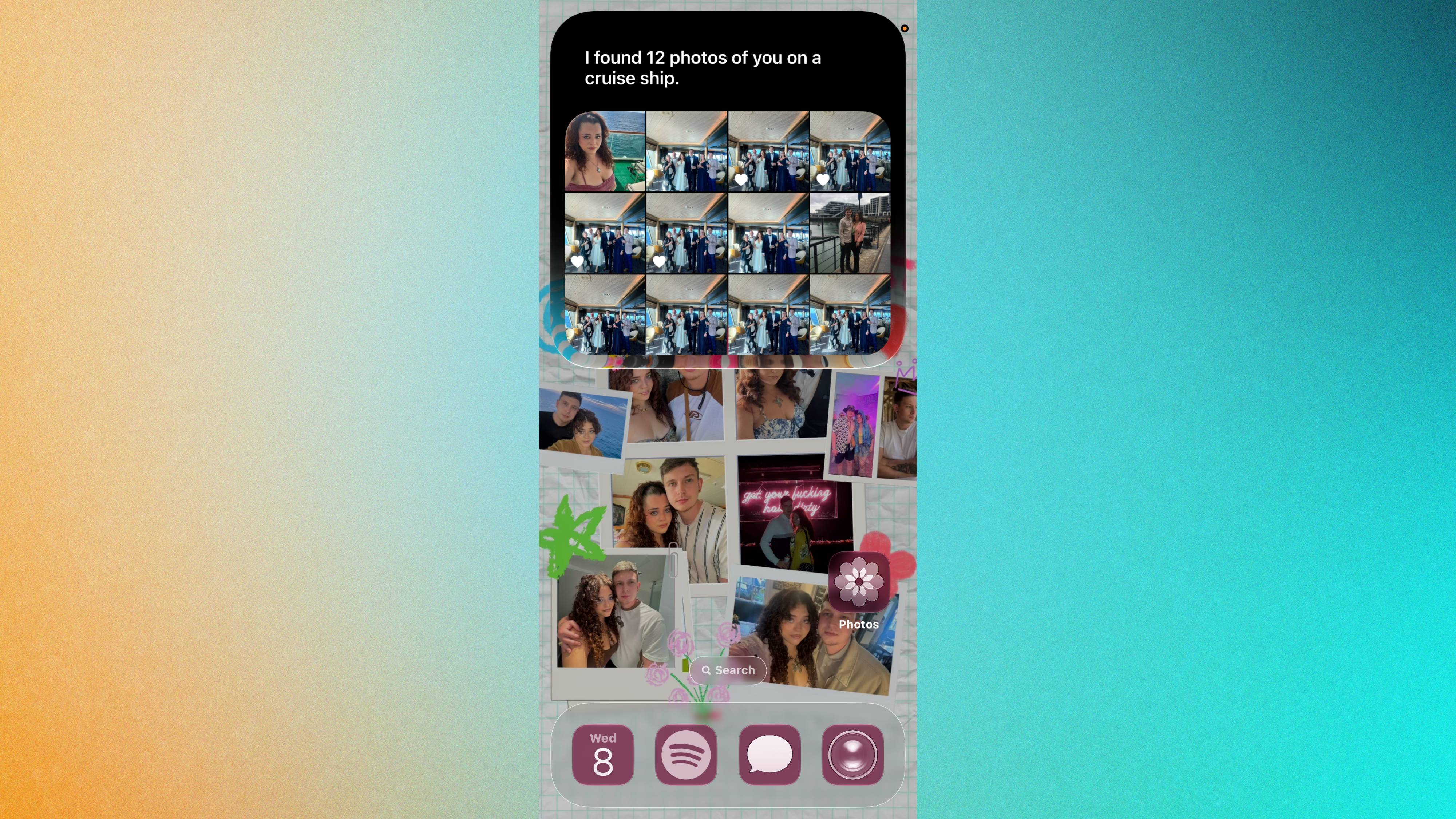
While general-purpose chatbots are excellent at writing poetry or explaining quantum physics, they know nothing about your life. This is where the apple siri ai vs chatgpt for personal tasks debate ends. While ChatGPT relies on cloud reasoning and whatever you type into its prompt box, siri ai uses a local semantic index to organize your entire digital life—emails, messages, photos, and calendar events.
When I ask, "When does my mom's flight land?", the assistant doesn't just search the web. It scans my recent messages for a flight number, checks the status via the airline’s API, and provides a real-time answer. This personal context understanding is the secret sauce of the 2026 experience.
For those concerned about privacy, Apple utilizes Private Cloud Compute. This means that if a request is too complex for the on-device M5 or A-series chip and needs to go to a server, your data is encrypted and never stored or accessible by Apple. This allows you to use the siri ai app as a secure vault for your personal details.
Sarah’s Tip: To get the most out of personal context, make sure you are using the new siri ai app conversation history guide to see how the assistant is linking your data. You can often see the "breadcrumbs" of how it connected a message from your boss to a meeting on your schedule.
Feature 3: Cross-App Actions - Siri as an Agentic Assistant
The final piece of the 2026 puzzle is the ability for siri ai to execute tasks across multiple applications. This is what we call "agentic behavior." In the past, Siri could open an app, but it couldn't really do anything inside it. Now, the assistant can chain actions together.
For example, I recently took a dozen photos at a tech conference. I wanted to send the best shot of a new wearable device to my editor. I told the assistant, "Find the photo I took of the smart ring, make it look better, and email it to my editor."
Here is how siri ai cross-app actions work in that scenario:
- Step 1: It uses the semantic index to identify "smart ring" in my Photos library.
- Step 2: It applies "Enhance" using the Photos app logic.
- Step 3: It opens Mail, drafts a message, attaches the photo, and finds the contact for "Editor."
This level of automation was once the stuff of science fiction. It turns the siri ai app from a simple voice interface into a background coordinator for your workflows. By using the hey siri voice to trigger these chains, you spend less time swiping between icons and more time actually being productive.
The Reality Check: Hardware Barriers & User Skepticism
Despite the technical marvels, we have to talk about the "AI Divide." Industry analysis from 2026 estimates that more than 1.3 billion active iPhones globally are unable to run the most advanced AI-powered Siri features due to insufficient hardware and memory. If you are holding onto an iPhone 14 or an older base-model iPhone 15, these features simply aren't coming to your device.
There is also a significant hurdle in user adoption. Consumer research from SellCell indicates that 73% of iPhone users believe current Apple Intelligence features add little to no significant value to their smartphone experience. Much of this stems from the fact that people are used to "dumb" Siri. A December 2024 survey of early Apple Intelligence users found that Writing Tools was the most popular new feature with 72% adoption, while the improved conversational Siri was the least popular, tried by only 3.1% of respondents.
This disconnect suggests that while the tech—powered by models reaching toward 1.2 trillion parameters in some cloud configurations—is impressive, Apple still has to prove that siri ai is more than a novelty. In my view, the value only arrives when you stop trying to "chat" with it and start asking it to "do."

FAQ
How do I turn on AI on Siri?
To enable the advanced features, go to Settings, tap Siri & Search, and look for the Apple Intelligence & Siri menu. You must have a compatible device and be running the latest version of iOS 27 to see the toggle for the full siri ai experience.
Does Siri have AI?
Yes, as of 2026, Siri has been completely rebuilt on a foundation of large language models and a semantic index. Unlike the older version which relied on hard-coded scripts, the new siri ai uses natural language processing to understand intent and context.
Is Siri now ChatGPT?
Siri is not ChatGPT, though Apple does offer an optional integration with OpenAI's models for general web knowledge. The core siri ai app is built by Apple to focus on task automation and private data handling, whereas ChatGPT is primarily a generative creative tool.
How do I turn on Apple Intelligence?
Apple Intelligence is turned on during the initial setup of a new iPhone 15 Pro or newer. If you skipped this, you can navigate to Settings, select Apple Intelligence, and join the "waitlist" if you are on a beta version, or simply toggle it to On in the stable release.
Where is AI Siri?
The AI-enhanced Siri is integrated throughout your entire operating system. You can invoke it using the hey siri voice, by double-tapping the bottom bar on your screen, or by using the dedicated siri ai app icon for viewing your request history and semantic summaries.
Conclusion: Should You Make Siri Your Daily Assistant?
The 2026 update to Siri is the first time I have felt that my iPhone actually understands me. It isn't just a voice on the other end of a command; it is an agent that has a "mental map" of my schedule, my communications, and my visual data.
Is it worth the upgrade? If you are a power user who manages a chaotic inbox and a packed calendar, the time saved through screen awareness and cross-app actions is immense. However, for the average user, the barrier of needing a newer iPhone 16 or 17 Pro remains a significant hurdle.
My final verdict: The siri ai of 2026 is no longer a gimmick. It is a proactive productivity tool that finally delivers on the promise made over a decade ago. If you have the hardware, stop talking to Siri and start letting it work for you.