Quick Facts
- Average Wireless Lifespan: 2–4 years, primarily limited by lithium-ion battery health.
- Average Wired Lifespan: 15–20+ years, exemplified by the legendary Sony MDR-7506.
- Primary Failure Point: Hinge and pivot mechanisms, particularly in the flagship WH-1000XM5 series.
- Battery Endurance: Degradation usually begins after ~500 charge cycles, resulting in shorter listening sessions.
- Repairability: Wired models feature high repairability scores due to simple internal circuitry and modular parts.
- Maintenance ROI: Replacing foam earpads every 18 to 24 months can effectively double the perceived life of the unit.
- Consumer Data: Nearly half of flagship users report structural issues within the first two years of ownership.
When considering headphones lifespan, real-world data suggests a sharp divide between technology-heavy wireless models and traditional wired monitors. For the modern wireless lineup like the flagship XM series, most users find that their devices last approximately two to three years before battery degradation or hardware fatigue sets in. In contrast, professional-grade wired Sony headphones are built for the long haul, often remaining functional for two decades or more with nothing but basic maintenance.
The Reality of Wireless: Sony XM Series Lifespan
In my years testing audio gear, I have seen the Sony WH-1000XM series evolve into the industry standard for noise cancellation. However, there is an inherent Complexity Paradox at play here: the more features we pack into a headband, the shorter the average lifespan of headphones tends to become. Most premium Sony wireless headphones will see a 20% reduction in battery capacity after roughly 18 to 24 months of daily use.
This timeline is not an accident; it is a limitation of current lithium-ion technology. The batteries used in the Sony WH-1000XM series were designed to handle approximately 500 charge cycles before the user notices a significant drop in performance. If you are a heavy user who charges their headphones every night, you are essentially ticking toward a functional expiration date. Once those battery cycles are depleted, the wireless headphones lifespan drops off because the internal circuitry is not easily serviceable by the average consumer.
While Sony claims up to 30 hours of battery life on the XM5, the real-world reality after two years is often closer to 20 or 24 hours. Interestingly, budget models like the WH-CH520 often fare slightly better in the longevity department simply because they lack the heat-generating ANC processors and complex sensors that accelerate battery wear.
| Sony Model | Claimed Battery Life | Real-World Functional Lifespan | Primary Failure Mode |
|---|---|---|---|
| WH-1000XM5 | 30 Hours | 2–3 Years | Hinge/Battery |
| WH-1000XM4 | 30 Hours | 3–4 Years | Hinge/Sensor |
| WH-CH720N | 35 Hours | 2–3 Years | Plastic Stress |
| MDR-7506 (Wired) | N/A | 15–25 Years | Ear Pads |
Mechanical vs. Electronic Death: Why Sony Headphones Break
When users ask how long should over ear headphones last, they are usually concerned about the electronics. However, the data shows that mechanical failure often beats the battery to the punch. Structural durability is the Achilles' heel of the modern premium headphone. A survey tracking users of the WH-1000XM5 flagship found that 47% of participants reported experiencing a hardware failure, with a vast majority citing the specific sony xm5 hinge failure causes.
Hinge and Pivot Point Failure
The transition from the folding design of the XM4 to the thin, sleek "friction rod" design of the XM5 has been controversial. This new pivot point failure is often the result of repeated stress on the thin plastic housing. Unlike professional studio gear, these consumer lifestyle models prioritize aesthetics and weight reduction, which can lead to snapped headbands if you are not careful about how you pull them off your head.
Signs of Headphone Battery Degradation
Beyond the mechanical, you should look for signs of headphone battery degradation. This usually starts with the headphones shutting off unexpectedly at 10% or 20% remaining charge, or a noticeable increase in heat during the charging process. Because the internal circuitry for Active Noise Cancelling (ANC) requires consistent voltage, a failing battery can lead to artifacts in the sound, such as crackling or an inconsistent noise floor.
Cosmetic Wear: Synthetic Leather Peeling
Finally, there is the issue of synthetic leather peeling. Sony uses a soft-touch protein leather that feels great against the skin but is susceptible to skin oils and sweat. Over time, the material begins to flake and crack. While this is a cosmetic issue, it impacts the seal necessary for effective noise cancellation. If you are wondering about the sony headphones lifespan in terms of "new" feeling, expect to replace these pads every two years to keep the experience fresh.
The Longevity Legend: Why Wired Sony Monitors Last Decades
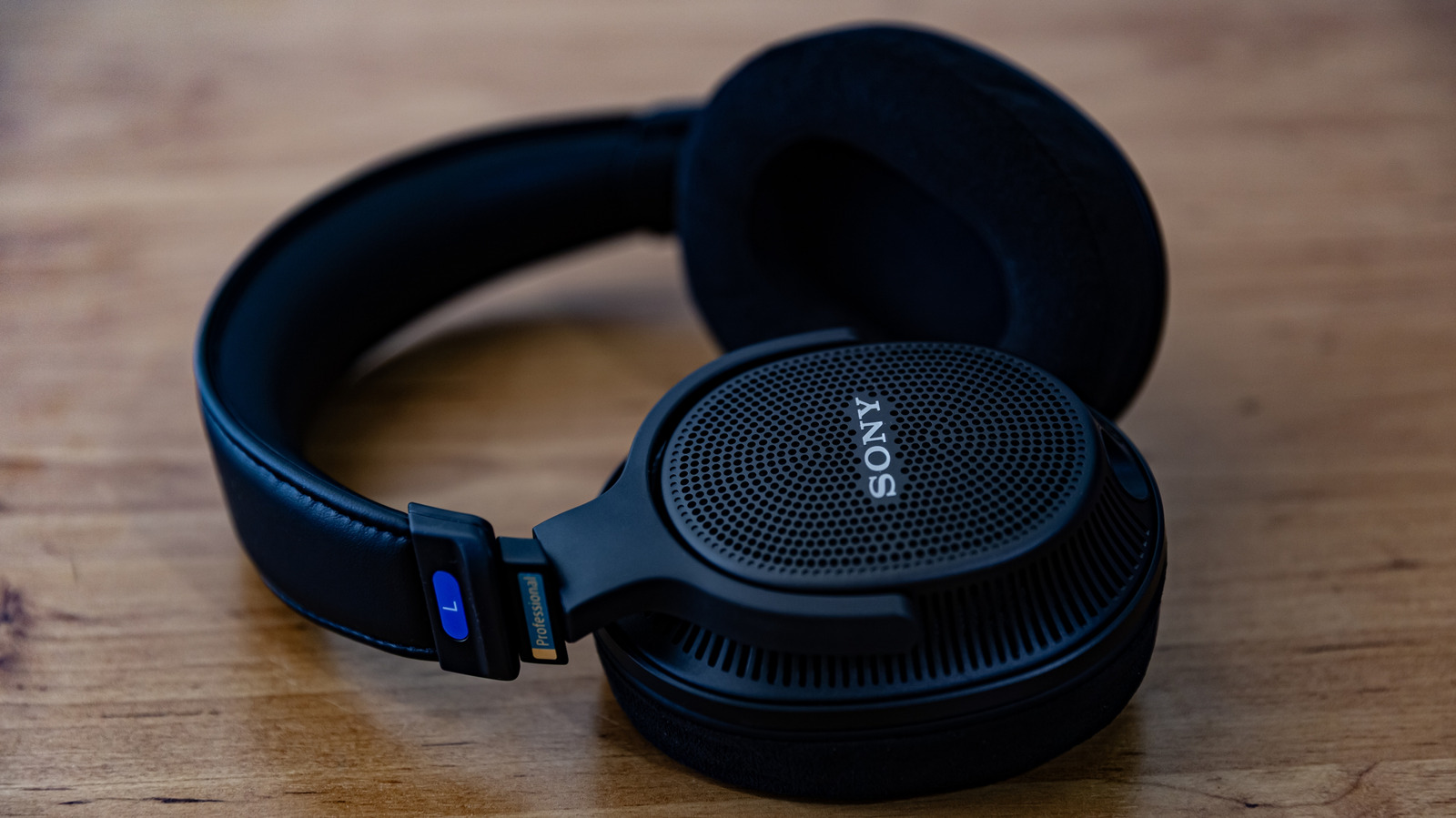
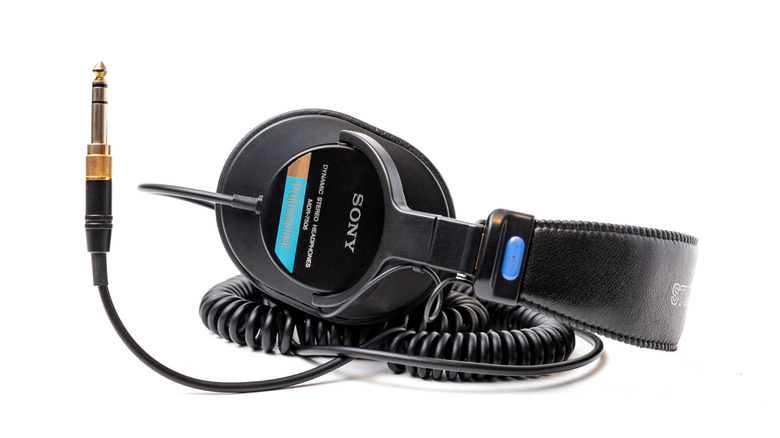
If the wireless models are the Ferraris of the audio world—fast, sophisticated, and high-maintenance—then the Sony MDR-7506 is the Toyota Hilux. There is a reason you see these headphones in almost every recording studio in the world: the average lifespan of headphones in the professional wired category is measured in decades, not years.
The MDR-7506 benefits from a design that hasn't changed significantly since the early 1990s. Because there is no internal battery, no Bluetooth chip, and no digital-to-analog converter inside the earcups, there is very little that can actually go wrong. The professional audio engineering behind these units focuses on serviceability. If a driver blows out, you can buy a replacement for a few dollars. If the cable breaks, any technician with a soldering iron can fix it in ten minutes.
Comparing the wired vs wireless headphones longevity is almost unfair. I have a pair of 7506s in my studio that I bought in 2008. I have replaced the foam earpads three times, but the drivers still sound exactly as they did on day one. When asking how long do headphones last with daily use, the answer for wired Sony gear is "until you decide to buy something else."
Some essential sony mdr-7506 longevity tips include:
- Store them in a dedicated pouch to prevent the curly cable from snagging.
- Avoid wrapping the cable tightly around the headband, which can cause internal wire fatigue.
- Swap out the stock pads for aftermarket velour options if you live in a humid climate to prevent synthetic rot.
Maintenance Checklist: How to Extend Your Headphone’s Life
While planned obsolescence is a reality in the tech industry, you are not entirely powerless. Extending headphones lifespan replacement pads is perhaps the most effective way to keep your gear out of a landfill. By maintaining the physical integrity of the unit, you reduce the strain on the internal components.
- Clean the Drivers Regularly: Use compressed air or a soft brush to remove hair and debris from the driver protective mesh. Accumulated grime can eventually affect driver longevity and sound balance.
- Utilize Storage Cases: The number one cause of sony xm5 hinge failure causes is improper storage. Tossing $400 headphones into a backpack without a hard shell case is a recipe for a snapped headband.
- Practice the 60/60 Rule: To preserve your hearing and potentially reduce the heat generated by the internal amplifier, listen at 60% volume for no more than 60 minutes at a time.
- Manage Battery Temperature: Lithium-ion batteries hate extreme heat and cold. Never leave your wireless headphones in a car during the summer, as high temperatures accelerate the permanent loss of battery cycles.
- Replace Consumable Parts: Do not wait for the foam to completely disintegrate. Replacing pads every 18 months maintains the clamping force and sound quality, ensuring you don't overcompensate with high volume.
By following these steps, you improve the repairability scores of your own gear by preventing catastrophic failures before they happen.
FAQ
Can headphones last 20 years?
Yes, wired headphones like the Sony MDR-V6 or MDR-7506 can easily last 20 years. Because they lack a high-density internal battery and complex digital components, their lifespan is limited only by the physical integrity of the copper wiring and the plastic housing. As long as you replace the ear pads and ensure the cable stays intact, a well-made pair of wired monitors can be a lifetime purchase.
Do headphones deteriorate over time?
Headphones undergo both mechanical and chemical deterioration. For wireless models, the lithium-ion battery chemically degrades every time it is charged or subjected to heat. For all headphones, the foam earpads and synthetic leather linings oxidize and break down due to contact with sweat and skin oils. Additionally, the magnets in the drivers can very slowly lose their strength over decades, though this is rarely the cause of failure for modern users.
How often should you replace headphones?
If you are using wireless headphones with daily noise-canceling needs, you should expect to replace them every 3 to 4 years as the battery and software become outdated. However, professional headphones should only be replaced when the cost of repair—such as replacing a blown driver or a snapped headband—exceeds the cost of a new unit. For many, a high-quality pair of wired headphones never needs to be fully replaced.
What is the 60/60 rule for headphones?
The 60/60 rule is a health and maintenance guideline that suggests listening to your headphones at no more than 60% of the maximum volume for no longer than 60 minutes at a time. This practice helps prevent noise-induced hearing loss and reduces the thermal stress on the internal amplifiers and batteries of wireless headphones, potentially extending the electronic life of the device.
Summary: Choosing for the Long Haul
When we look at the sony headphones lifespan, we are really looking at two different philosophies of consumption. The wireless flagship models are essentially high-performance subscriptions. You pay a premium for the best noise cancellation and convenience available today, with the understanding that the technology will likely fail or become obsolete within three to five years.
For those who want to invest in sound for the next decade, the wired professional line remains the only logical choice. When calculating the cost per year, a $400 pair of wireless headphones that lasts three years costs you $133 annually. A $100 pair of MDR-7506s that lasts twenty years costs you a mere $5 annually.
Ultimately, how long do headphones last with daily use depends on your willingness to perform basic maintenance. If you prioritize the latest features, prepare to replace your gear frequently. If you prioritize longevity, keep it simple, keep it wired, and keep a spare set of earpads in your drawer.