Quick Facts
- Price Gap: The OnePlus 13 and OnePlus 13R launched with a $300 price difference, with the flagship starting at $900 and the 13R at $600.
- Processor: The flagship features the Qualcomm Snapdragon 8 Elite processor, whereas the OnePlus 13R utilizes the previous-generation Snapdragon 8 Gen 3 chipset.
- Battery: Both devices are equipped with a 6,000 mAh battery utilizing new silicon-carbon technology.
- Charging: The 13R supports 80W wired charging but lacks the 50W wireless charging found on the flagship.
- Durability: The flagship offers IP69 protection and Ceramic Guard, while the 13R features IP65 and Gorilla Glass 7i.
- Display: A 1.5K flat panel on the 13R versus a 2K micro-curved panel on the 13, though both hit 4500 nits peak brightness.
- Camera: The 13R includes a 50MP main sensor and 2x optical zoom, missing out on the Hasselblad tuning and 3x periscope of the flagship.
Choosing between the OnePlus 13R vs OnePlus 13 comes down to a $300 decision. While the flagship OnePlus 13 offers the Snapdragon 8 Elite and IP69 durability, the OnePlus 13R provides nearly identical battery life and display brightness for a significantly lower price.
The Evolution of the Flagship Killer
For years, the mobile industry has chased the ghost of the original flagship killer—a device that provides 90% of the premium experience for 60% of the cost. As we move into 2026, that gap is narrowing in fascinating ways. The OnePlus 13R vs OnePlus 13 debate isn't just about saving money; it is about identifying which "pro" features actually impact your daily life and which are simply spec-sheet vanity.
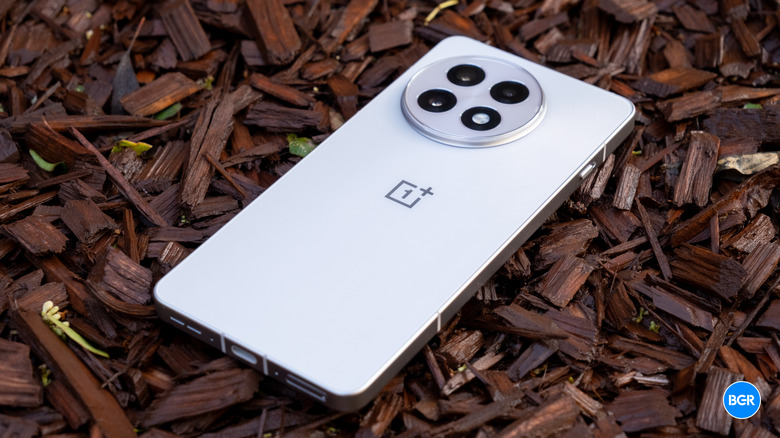
When you hold these two devices side-by-side, the physical differences are immediate but perhaps not in the way you would expect. OnePlus has leaned into a more utilitarian, high-performance aesthetic for the R-series, while the flagship 13 remains the torchbearer for luxury finishes. But as an editor who lives with these devices, I often find that the "cheaper" model makes design choices that are actually more practical for the heavy user.
The value proposition here is immense. We are looking at a OnePlus 13R vs OnePlus 13 price to performance ratio that challenges almost everything else in the sub-$700 market. To understand if the 13R is truly enough for you, we have to look past the marketing gloss and into the silicon and glass that power these machines.
Performance: Snapdragon 8 Elite vs Snapdragon 8 Gen 3 performance
The most significant fork in the road is the chipset. The flagship OnePlus 13 is one of the first to market with the Snapdragon 8 Elite, a 3nm powerhouse that redefines mobile efficiency and raw speed. On the other side, the OnePlus 13R uses the Snapdragon 8 Gen 3. In any other year, the Gen 3 would be the undisputed king, and in 2026, it remains a formidable piece of hardware.
When looking at Snapdragon 8 Elite vs Snapdragon 8 Gen 3 gaming benchmarks, the Elite shows a roughly 32% jump in single-core tasks and a massive leap in GPU capabilities. If you are a competitive mobile gamer playing titles like Genshin Impact or Zenless Zone Zero at max settings, the Elite's overhead is undeniable. It runs cooler and maintains higher frame rates over long sessions.
However, for the average user, is the OnePlus 13R enough for long term use in 2026? Almost certainly. The Snapdragon 8 Gen 3 handles multitasking, 4K video editing, and OxygenOS 15 with effortless grace. You won't see stutters or lag in daily operation. The Elite is about future-proofing for 2028 and beyond, whereas the Gen 3 is the perfect engine for the present.
Expert Insight: The Snapdragon 8 Elite is a "nice-to-have" for power users, but the Snapdragon 8 Gen 3 is far from obsolete. It still outperforms most mid-range chips by a staggering margin and benefits from a very mature software optimization cycle.
Display and Design: 1.5K Flat vs 2K Curved
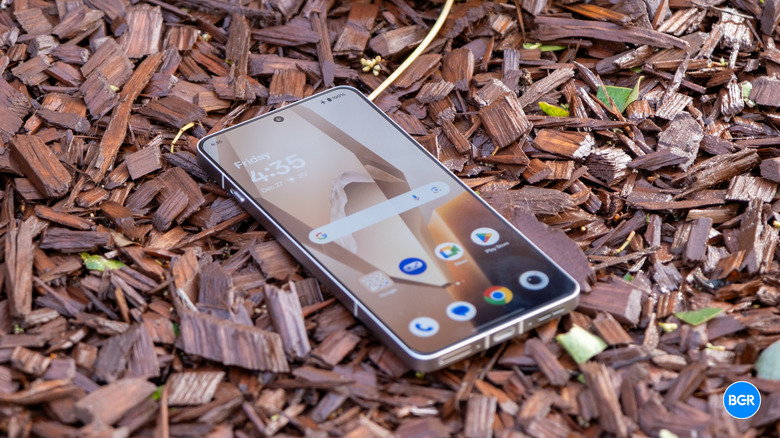
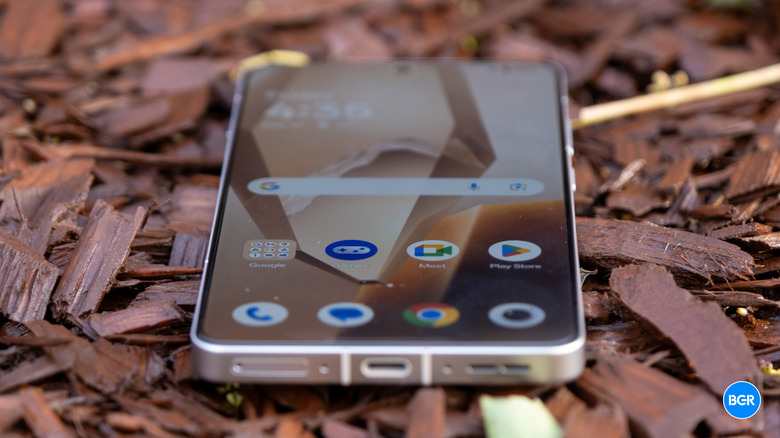
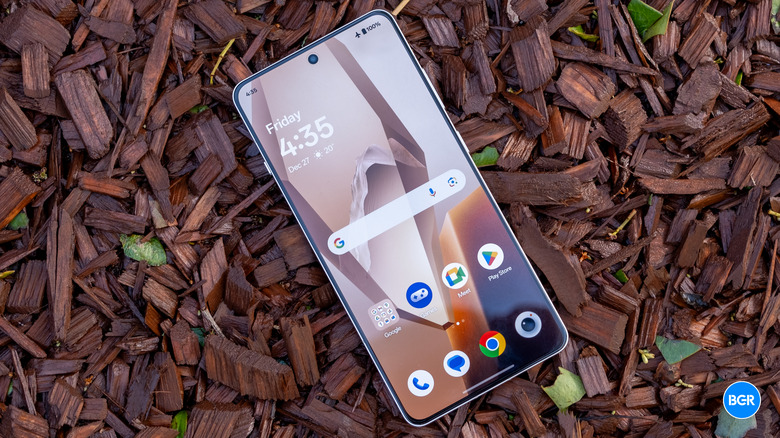
OnePlus has made a strategic choice with the 13R's screen that might actually win over a large segment of enthusiasts. While the OnePlus 13 features a gorgeous 2K micro-curved display that melts into the frame, the 13R utilizes a flat LTPO AMOLED panel.
The OnePlus 13R 1.5K display vs OnePlus 13 2K screen comparison reveals that while the flagship is objectively sharper on paper, the human eye struggles to tell the difference at standard viewing distances. Both screens feature a variable 120Hz refresh rate and a staggering Peak Brightness of 4500 nits. This means that whether you’re in a dark room or under the direct noon sun, both devices offer class-leading visibility.
The ergonomics of the flat screen shouldn't be overlooked. For many, a flat display means fewer accidental palm touches and easier screen protector application. The 13R uses Gorilla Glass 7i for protection, which is robust, though it lacks the advanced drop resistance of the flagship’s Ceramic Guard.
Battery Life: The Great Equalizer
This is where the R-series traditionally shines, and this year is no different. In a rare move, OnePlus has given both phones the same massive 6,000mAh battery capacity. By utilizing silicon-carbon technology, they’ve managed to fit more energy into a thinner profile than traditional lithium-ion packs.
The OnePlus 13R battery life and charging specs are nearly identical to the flagship in terms of endurance. In fact, because the 13R is driving a slightly lower-resolution 1.5K display, it often matches or even exceeds the flagship in screen-on-time tests. You are looking at a true two-day phone for moderate users.
However, there is a catch: charging versatility. The OnePlus 13R supports 80W wired charging, which can get you from 1% to 100% in about 48 minutes. The flagship 13 steps that up to 100W wired charging (reaching full in roughly 35 minutes) and adds 50W wireless charging.
Living without wireless charging on the OnePlus 13R is the primary "skip" reason for many lifestyle users who have invested in Qi pads for their desks or cars. If you can live with plugging in a cable for 15 minutes to get a day's worth of power, the savings are hard to argue with.
Cameras and Durability: Where the Flagship Wins
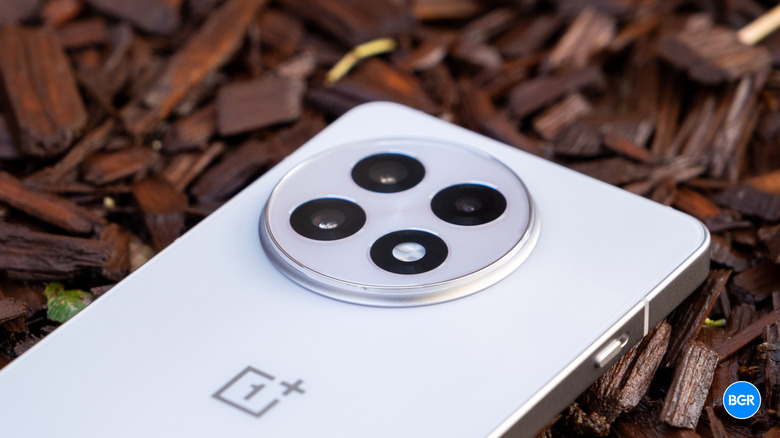
If you are a mobile photography enthusiast, the $300 gap starts to look a lot more justified. The flagship OnePlus 13 is a Hasselblad-tuned beast. It features a superior ultrawide sensor and a 3x periscope telephoto lens that produces stunning portraits with natural bokeh.
The 13R takes a more modest approach. It features a 50MP main sensor that performs excellently in daylight and very well in low light, but its telephoto capabilities are limited to a 50MP 2x optical zoom. While the hardware is simpler, OnePlus has included its latest AI photo editing suite. Features like reflection removal and unblurring help close the gap, but they can't entirely replace the superior optics found on the premium model.
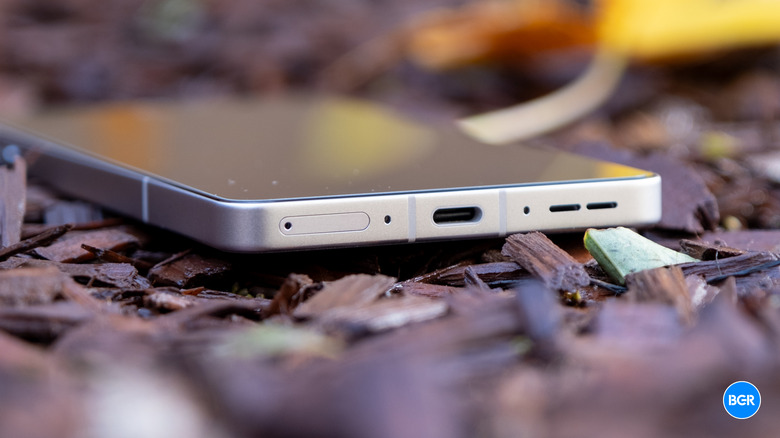
We also have to consider the environment. The OnePlus 13R vs 13 IP rating comparison shows a clear divide in durability. The 13R carries an IP65 rating, meaning it can handle rain and splashes, but you shouldn't submerge it. The flagship OnePlus 13 boasts IP69 protection, the highest rating available for consumer electronics, designed to withstand high-pressure water jets and total immersion.
| Feature | OnePlus 13 | OnePlus 13R |
|---|---|---|
| Water Resistance | IP69 | IP65 |
| Glass | Ceramic Guard | Gorilla Glass 7i |
| Optical Zoom | 3x Periscope | 2x Telephoto |
| Hasselblad Tuning | Yes | No |
Who Should Buy the OnePlus 13R?
The 13R is designed for the pragmatist. If you look at your phone usage and see mostly social media, YouTube, heavy web browsing, and occasional sessions of Mobile gaming, the extra $300 for the flagship might feel like wasted capital.
The OnePlus 13R battery life with 6000mAh vs OnePlus 13 endurance is virtually a wash, meaning you get the best part of the flagship experience—the freedom from the wall outlet—without the flagship tax. For students, commuters, and gamers who prefer flat screens, the 13R isn't just "enough"—it might actually be the better choice.
On the flip side, the OnePlus 13 is for the "Tech Snob" (and I say that with love) who wants the absolute pinnacle of what 2026 has to offer. The Snapdragon 8 Elite is a masterpiece of engineering, and the Hasselblad camera system provides a creative versatility that the 13R simply cannot match.
FAQ
What is the price difference between the OnePlus 13 and 13R?
The OnePlus 13 and OnePlus 13R launched with a $300 price difference. The flagship OnePlus 13 starts at $899, while the more affordable OnePlus 13R is priced at $599.
Which phone has a better camera, OnePlus 13 or 13R?
The OnePlus 13 has a significantly better camera system. It features Hasselblad color calibration, a more advanced ultrawide sensor, and a 3x periscope telephoto lens. The 13R is capable but limited to 2x optical zoom and lacks the Hasselblad professional tuning.
Does the OnePlus 13R support wireless charging?
No, the OnePlus 13R does not support wireless charging. It relies exclusively on its 80W wired SuperVOOC charging. If wireless charging is a requirement for your workflow, you will need to opt for the flagship OnePlus 13, which supports 50W wireless charging.
What are the display differences between OnePlus 13 and 13R?
The OnePlus 13 features a 2K micro-curved display for a more premium, bezel-less look. The OnePlus 13R uses a 1.5K flat display. While the 13 is sharper, both screens offer the same 4500 nits peak brightness and 120Hz LTPO refresh rates.
Which is better for gaming, OnePlus 13 or OnePlus 13R?
The OnePlus 13 is technically better due to the Snapdragon 8 Elite, which provides a 30-40% boost in GPU performance and better energy efficiency. However, many gamers prefer the OnePlus 13R because its flat screen prevents accidental touches and its Snapdragon 8 Gen 3 is still powerful enough to run any modern game at high settings.