Quick Facts
- Release Date: Expected late 2026
- Main Display: 7.8-inch Flexible OLED with less than 0.15mm crease depth
- Form Factor: 4.5mm unfolded thickness with a 5.5-inch external cover screen
- Biometrics: Side-mounted biometric power button (Touch ID)
- Performance: A20 2nm chipset with 12GB RAM
- Estimated Price: Approximately $2,399 for the ultra-premium tier
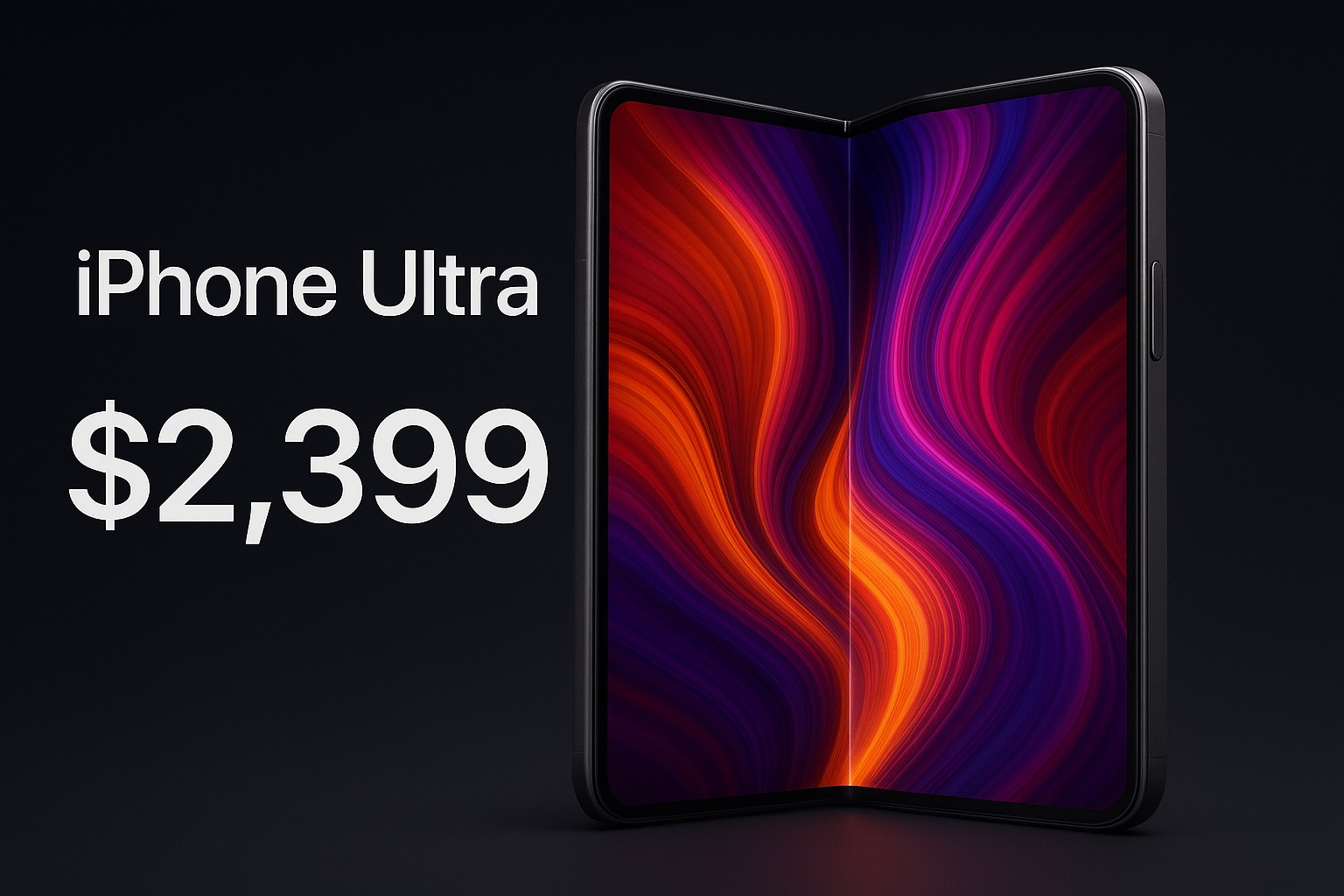
Apple is finally entering the foldable market with the iPhone Ultra foldable, a device aimed at redefining the luxury smartphone tier. Featuring a revolutionary 7.8-inch main display and a chassis just 4.5mm thick when unfolded, the device targets an late 2026 release. With a rumored $2,399 price point, it positions itself as an ultra-premium alternative to standard models, utilizing advanced hinge engineering to achieve a virtually crease-free visual experience.
Engineering the Crease-Free Display
For years, the biggest hurdle for foldable smartphones has been the visible and tactile line running down the center of the screen. Apple appears to have waited until the technology matured enough to meet its notoriously high aesthetic standards. Reports from the supply chain indicate that Apple is working closely with Samsung Display on a specialized panel known as Mont Flex. This is not your standard foldable screen; it is a bespoke solution designed specifically to meet Apple's rigorous durability and visual requirements.
The secret to this nearly invisible fold lies in a combination of material science lamination and advanced hinge engineering. Unlike current competitors that use relatively simple film layers, Apple is reportedly using Fine M-Tec’s laser-perforated plates. These plates allow the display to bend with significantly less stress on the internal components. The technical target is incredibly ambitious: Apple is reportedly targeting a crease depth of under 0.15 millimeters and a crease angle below 2.5 degrees for its foldable iPhone Ultra to produce a nearly invisible fold line.
To put that in perspective, most current foldable devices on the market have a crease depth closer to 0.3mm. By cutting that physical indentation in half, the iPhone Ultra foldable would offer a seamless tablet-to-phone hybrid experience that feels like a solid piece of glass rather than two panels joined by a hinge. This crease-free foldable display technology is intended to solve the number one complaint users have about the foldable category, potentially converting millions of iPhone loyalists who have been waiting on the sidelines.
Design Specs: Why Face ID is Moving to the Side
When you hold a device that is only 4.5mm thick when unfolded, engineering trade-offs become inevitable. In my time reviewing smartphones, I have seen how every tenth of a millimeter matters for internal component placement. At 4.5mm, the iPhone Ultra foldable will be one of the thinnest mobile devices ever made, even thinner than the current iPad Pro M4.
This extreme thinness creates a physical limitation for the TrueDepth camera system used for Face ID. The current sensors require a certain amount of depth to function accurately, which simply is not available in a 4.5mm chassis. As a result, Apple is expected to make a significant change to its biometric security. Rumors suggest the device will feature a biometric power button located on the side of the frame. This transitioning from face id to iphone ultra touch id might feel like a step backward to some, but it is a necessary evolution to maintain the device's sleek profile.
The 7.8-inch internal Flexible OLED panel is expected to use a roughly 4:3 aspect ratio, making it feel more like a mini iPad than a traditional phone. To support this large canvas, the hinge will likely utilize liquid metal alloys, providing high strength without the bulk of traditional stainless steel. This allows for a more durable device that can withstand years of folding and unfolding without the hinge loosening or the screen delaminating.
For those interested in the iphone ultra 7.8 inch display screen size comparison, this puts the device significantly ahead of the iPhone 16 Pro Max in terms of screen real estate, offering roughly 50% more usable area for multitasking and media consumption. It truly bridges the gap between a pocketable smartphone and a professional-grade tablet.
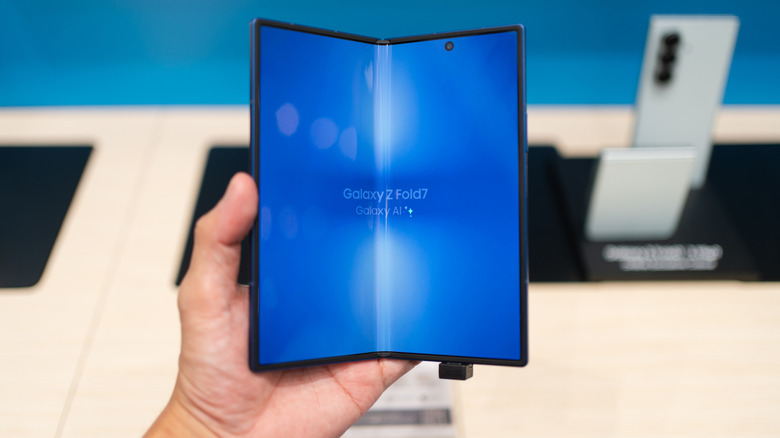
Comparison: iPhone Ultra vs Galaxy Z Fold 7
As we look toward 2026, the primary competition for Apple will be Samsung's seventh generation of foldables. While Samsung has the advantage of being first to market, Apple’s strategy has always been to be the best to market. The following table highlights the expected differences between the two titans of the industry.
| Feature | iPhone Ultra Foldable (Expected) | Galaxy Z Fold 7 (Projected) |
|---|---|---|
| Unfolded Thickness | 4.5 mm | 5.2 mm |
| Crease Depth | < 0.15 mm | ~0.25 mm |
| Main Display Size | 7.8 inches | 7.6 inches |
| Aspect Ratio | 4:3 (iPad-style) | 21.6:18 (Tall & Narrow) |
| Biometrics | Side-mounted Touch ID | Under-display Fingerprint |
| Starting Price | $2,399 | $1,899 |
| Launch Window | Late 2026 | Summer 2025 |
The iPhone Ultra vs Galaxy Z Fold 7 battle will likely come down to the user interface and the physical "feel" of the device. Apple is reportedly focusing on a much wider cover display, likely around 5.5 inches, to ensure the phone feels natural to use when closed. Samsung has historically struggled with a narrow cover screen that can feel cramped for typing. Furthermore, Apple's pursuit of a completely crease-free experience could be the deciding factor for consumers who find the visual flaw of current foldables a dealbreaker.
The $2,399 Strategy: Is It Worth the Premium?
One of the most discussed aspects of this upcoming release is the foldable iPhone price expectations. Early rumors and supply chain reports indicate that the first foldable iPhone, which may be marketed as the iPhone Ultra, is expected to have a starting price of approximately $1,999. However, more recent internal projections suggest that the top-tier configuration with the crease-free technology could push as high as $2,399.
So, is the iphone ultra foldable worth 2399? To answer that, we have to look at the market positioning. This is not meant to replace the standard iPhone for the average consumer. Instead, Apple is targeting an ultra-premium smartphone tier—the same people who currently buy the highest storage tiers of the Pro Max models or luxury watches.
To justify this price, the iPhone Ultra foldable will be a powerhouse of technology.
- A20 Chipset: Built on a cutting-edge 2nm process, offering unprecedented efficiency and power.
- 12GB RAM: Essential for the advanced iOS multitasking interface that will allow users to run three or four apps simultaneously on the 7.8-inch screen.
- Luxury Materials: The use of titanium and liquid metal ensures the device feels like a piece of high-end jewelry.
Industry analyst Ming-Chi Kuo projects that Apple could ship between 3 million and 5 million units of its first foldable iPhone in 2026, with volume potentially reaching 20 million units by 2027. This suggests that even at a premium price, the demand from the early adopter market will be substantial. Apple is betting that consumers are willing to pay more for a device that finally solves the durability and aesthetic issues that have plagued the foldable category for years.
FAQ
Will Apple ever release a foldable iPhone?
Yes, current supply chain reports and analyst projections indicate that Apple is actively developing a foldable device, likely branded as the iPhone Ultra, with a focus on eliminating the screen crease.
When is the expected release date for the iPhone Ultra foldable?
The iPhone Ultra foldable is currently rumored to launch in late 2026, though some supply chain analysts suggest a possible push to early 2027 depending on the yield rates of the new crease-free display panels.
How much is the foldable iPhone likely to cost?
The foldable iPhone price expectations vary, but most insiders suggest a starting price between $1,999 and $2,399, positioning it as the most expensive and premium model in Apple's mobile lineup.
Will the foldable iPhone have a visible crease on the screen?
Apple is specifically engineering the device to be virtually crease-free. By using advanced hinge engineering and specialized lamination, they aim to achieve a crease depth of under 0.15mm, making it nearly invisible to the naked eye.
What will be the screen size of the foldable iPhone?
The primary internal display is expected to be a 7.8-inch Flexible OLED panel, while the external cover screen is rumored to be approximately 5.5 inches, offering a versatile tablet-to-phone hybrid experience.