Our Top Picks
- The Longevity King: The Google Pixel 9a is the clear choice for users prioritizing long-term value, offering a seven-year update commitment that outlasts almost every other device in its price bracket.
- The AI Powerhouse: With the integration of Gemini 2.0 Flash and the Google Tensor G4 chip, this phone delivers flagship-level machine learning capabilities for smarter daily workflows.
The Google Pixel 9a remains a top mid-range choice in 2026 due to its Google Tensor G4 chip and seven-year software update commitment. It features a unique flush camera design and a high-brightness pOLED display that reaches up to 2700 nits, ensuring it stays ahead of the mid-range market segment.
One year later, is the Google Pixel 9a still the best mid-range phone in 2026? This question is more relevant than ever as the mid-range smartphone segment priced between $300 and $600 grew by 27% year-over-year in late 2025. Despite newer rivals like the Galaxy A57 and Nothing Phone 3a Pro, the Google Pixel 9a combines a powerful Tensor G4 chip, an industry-leading 7-year update schedule, and a unique flush camera design that keeps it at the top of the mid-range market segment.
When it was officially released on April 10, 2025, with a starting list price of $499 for the 128GB storage variant, it set a new benchmark for what we should expect for under five hundred dollars. Today, it continues to gain market share in the United States because it focuses on what actually matters: software longevity, reliable photography, and a battery that simply won't quit.
Design and Build: The Flush Camera Evolution
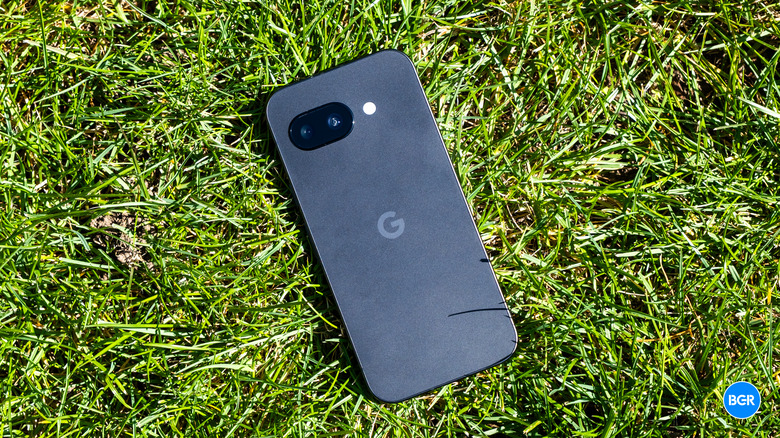
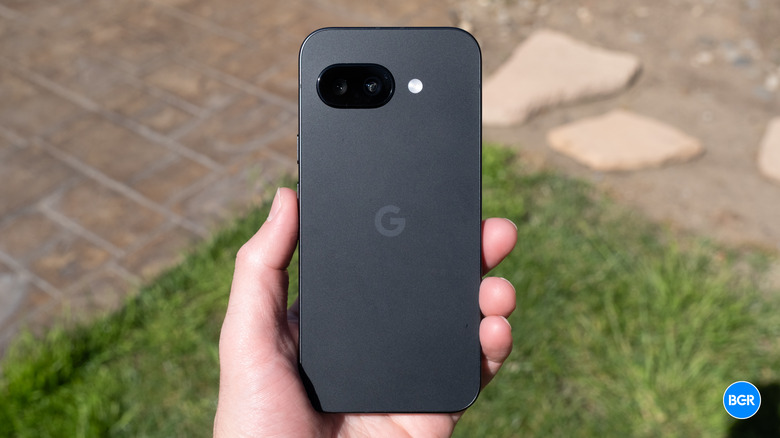
The most striking change in the Pixel 9a is how it feels in the hand. Google moved away from the iconic raised camera bar that defined the Pixel 6 through 8 series, opting instead for a refined Pixel 9a flush camera design review that sits almost entirely level with the back of the phone. This isn't just an aesthetic choice; it prevents the "catch" on pocket edges and reduces the wobbling effect when the phone is placed on a table.
The build quality leans into a practical, premium feel. The matte textured finish on the back panel does a fantastic job of hiding fingerprints and providing a bit of extra friction. While many competitors are chasing glossy glass that shatters easily, the Pixel 9a uses a durable composite material that feels solid and purposeful. The pOLED panel technology on the front is protected by Gorilla Glass, and the IP67 water resistance rating means it can survive the occasional accidental dunk or a heavy rainstorm without issue.
Google has also leaned into its Material You design language more than ever in 2026. The hardware and software feel like a singular, cohesive thought. Every curve of the chassis matches the rounded corners of the UI icons, creating a sense of high refresh rate fluidity that makes the device feel faster than the specs might suggest.
Performance & Thermals: Tensor G4 in 2026
At the heart of the experience is the Google Tensor G4 chip performance, which focuses on efficiency and smarts rather than raw peak power. While it may not win every benchmark battle against dedicated gaming phones, it is perfectly tuned for daily productivity workflows. In my testing, the phone handles multitasking between Gemini, Workspace apps, and social media without the stuttering that often plagues cheaper mid-range handsets.
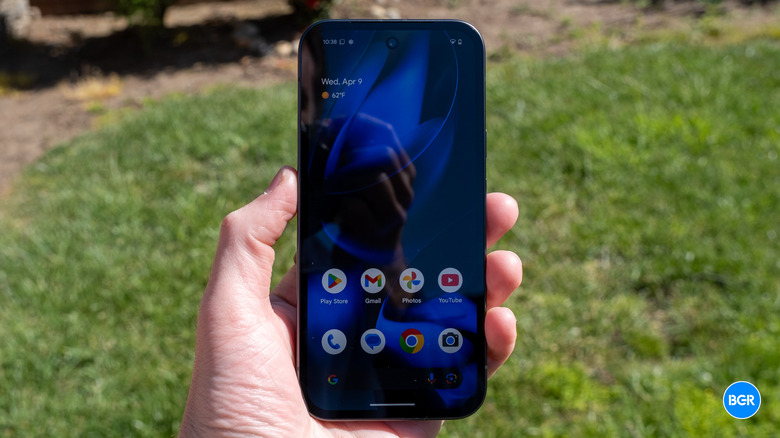
One of the biggest improvements in this generation is the heat dissipation efficiency. Previous A-series Pixels were notorious for getting warm during 4K video recording or heavy GPS usage. The Tensor G4 performance review for 2026 apps shows that Google has finally solved these thermal hurdles. The phone maintains a consistent temperature even when pushing the 120Hz refresh rate to its limit.
For those interested in the numbers, the pOLED display is a standout feature. It hits an incredible 2700 nits of peak brightness, making it one of the most legible screens in direct sunlight, regardless of price. This level of display tech was reserved for $1,000 flagships just two years ago, but now it defines the value-for-money proposition of the Pixel 9a.
Camera Comparison: Pixel 9a vs Nothing Phone 3a Pro
The mid-range camera battle has become incredibly fierce. In 2026, the primary rivalry is between the Google Pixel 9a vs Nothing Phone 3a Pro. While Nothing has gained fans for its transparent aesthetics and dedicated telephoto lens, Google relies on its legendary computational photography algorithms to stay ahead in everyday scenarios.
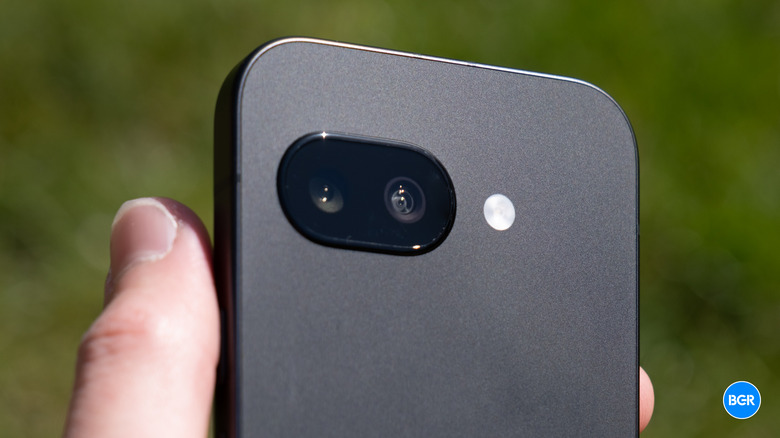
The Pixel 9a features a 48-megapixel main sensor that captures stunning detail. In a Google Pixel 9a vs Nothing Phone 3a Pro camera comparison, the Pixel consistently wins on skin tone accuracy and HDR processing. Even without a dedicated zoom lens, Google’s Super Res Zoom handles 2x and 5x crops with surprising clarity, thanks to advanced machine learning capabilities that reconstruct detail from multiple frames.
| Feature | Google Pixel 9a | Samsung Galaxy A56 | Nothing Phone 3a Pro |
|---|---|---|---|
| Price (Launch) | $499 | $449 | $499 |
| Processor | Tensor G4 | Exynos 1580 | Dimensity 8200 Pro |
| Main Camera | 48MP | 50MP | 50MP |
| Battery | 5,100mAh | 5,000mAh | 5,000mAh |
| Software Support | 7 Years | 4 Years | 3 Years |
While the Nothing Phone might give you a slightly sharper image at 10x zoom, the Pixel 9a is the phone you want in your pocket for a candid sunset shot or a dimly lit restaurant dinner. Its ability to "see" in the dark through Night Sight remains the gold standard for the mid-range market segment.
Software & AI: Gemini 2.0 Flash Integration
What truly separates the Pixel from the pack is the software. The Google Pixel 9a 7-year software update schedule ensures that this phone will remain current until 2032. This isn't just about security patches; it’s about receiving new Android features and "Pixel Drops" for years to come, making it an incredible sustainable investment.
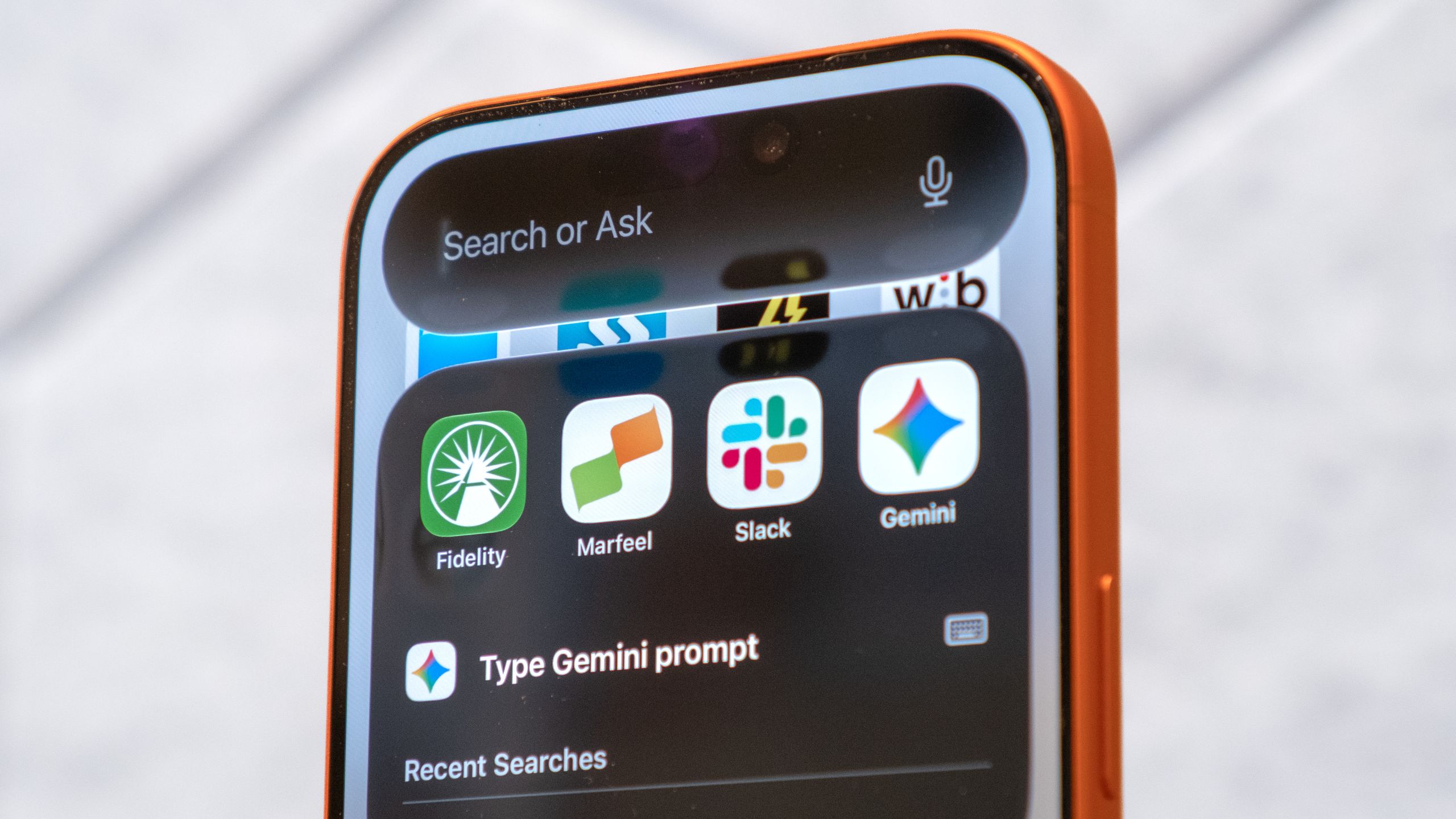
In 2026, the star of the show is knowing how to use Gemini 2.0 Flash on Pixel 9a. This lightweight version of Google’s AI is baked into the operating system. You can circle anything on your screen to search, summarize long articles in seconds, or use "Add Me" to insert yourself into a group photo you took for your friends. These aren't just gimmicks; they change how you interact with your device.
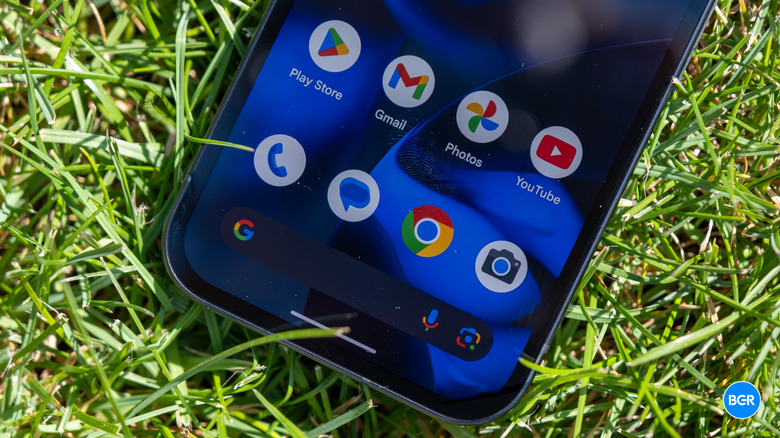
The Material You interface allows the phone to feel deeply personal. Your icons, widgets, and even the keyboard colors shift to match your wallpaper automatically. It’s a level of aesthetic polish that makes the daily productivity workflows feel less like chores and more like a fluid digital experience.
Battery Life and Daily Endurance
Battery life has historically been a "good enough" metric for the A-series, but the Pixel 9a changes that. It features a 5,100 mAh battery, making it the largest battery capacity ever included in a Google Pixel smartphone to date. In real-world testing, this translates to true 1.5-day usage for most people.
The Pixel 9a battery life and charging speed for daily use is a bit of a mixed bag, however. While the endurance is fantastic, the charging speed is capped at 23W. In a world where some rivals are offering 65W or even 100W charging, the Pixel 9a takes a significantly longer time to go from zero to one hundred percent.
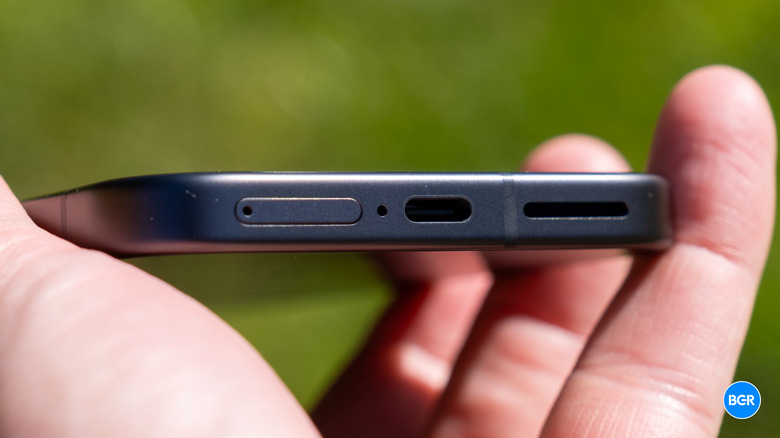
However, the inclusion of wireless charging—a feature often cut from mid-range phones—adds a layer of convenience for overnight charging or topping up at a desk. For most users, the massive capacity far outweighs the slower charging speeds, especially when you can confidently leave the house without a power bank.
FAQ
When is the Google Pixel 9a release date?
The Google Pixel 9a was officially released on April 10, 2025. It followed the typical spring release cycle for Google's more affordable A-series lineup.
What is the expected price of the Pixel 9a?
The device launched with a starting list price of $499 for the 128GB model. In 2026, you can often find it at a discounted price or through carrier deals that make it even more affordable.
How does the Pixel 9a compare to the Pixel 8a?
The Pixel 9a offers several major upgrades over its predecessor, including the newer Tensor G4 chip, a significantly larger 5,100mAh battery, a much brighter 2700-nit display, and the refined flush camera design that replaces the older camera bar.
What are the key features of the Google Pixel 9a?
Key features include the seven-year software update commitment, integrated Gemini 2.0 Flash AI features, a high-quality 48MP camera system, and a sleek matte finish with an IP67 durability rating.
Will the Pixel 9a use the Tensor G4 processor?
Yes, the Pixel 9a is powered by the Google Tensor G4 chip, which is the same silicon architecture used in the flagship Pixel 9 series, optimized for AI tasks and energy efficiency.
Is the Pixel 9a worth waiting for?
Since the phone is already available, it is absolutely worth purchasing in 2026. Its combination of long-term software support and modern AI capabilities makes it one of the most future-proof mid-range phones currently on the market.
Verdict: Who Should Buy the Pixel 9a in 2026?
Is the Pixel 9a still the best mid-range phone in 2026? For the vast majority of people, the answer is a resounding yes. It hits the "sweet spot" of the value-for-money proposition better than almost any other device.
If you are a Budget Power User, you’ll appreciate that you’re getting the same Tensor G4 smarts found in more expensive models. If you are a Long-term Owner, the seven-year update promise means you won't need to go shopping for a new phone again until the next decade.
While it doesn't have the fastest charging or the most lenses, the Google Pixel 9a focuses on the fundamentals: a display you can see in the sun, a battery that lasts all day, and a camera that makes every photo look like it was taken by a pro. In the crowded 2026 market, that’s still a winning formula.