Quick Facts
- The 80/50 Rule: In 2026, mid-range phones deliver roughly 80% of flagship utility while costing approximately 50% of the premium price.
- Performance Parity: Mid-range chips now achieve 90% of flagship performance in daily tasks, making flagship power unnecessary for non-gamers.
- The RAM Baseline: For a smooth multitasking experience in 2026, 8GB RAM is the absolute minimum requirement across all tiers.
- Longevity Gap: Premium flagships now offer up to 7 years of OS support, while budget models typically cap at 3 years, affecting long-term value.
- AI Paywall: Advanced on-device generative AI remains largely exclusive to flagship silicon due to the heavy NPU requirements.
- The Battery Paradox: Budget devices often outlast flagships because they lack the power-hungry components like high-res LTPO displays and massive camera sensors.
Choosing between flagship and budget Android phones in 2026 depends on your specific performance needs. While budget models are now excellent for everyday tasks like browsing and social media, flagship devices remain essential for power users who require advanced on-device AI tools, professional-grade photography, and maximum multitasking capabilities. For most consumers, mid-range phones offer a sweet spot by providing nearly 80% of flagship features at a significantly lower price point.
Performance & Multitasking: The Hardware Saturation
We have officially reached a point of "hardware saturation" in the Android ecosystem. A few years ago, the difference between a $300 phone and a $1,000 phone was immediately obvious—one felt snappy, the other felt like it was swimming through molasses. In 2026, that gap has narrowed to a whisper for 95% of what we do.
The trickle-down effect of high-speed components is the primary driver here. Technologies like UFS 4.0 storage speed and LPDDR5X RAM, once the exclusive domain of the elite, have migrated into the mid-tier. When you open an app on a device powered by a mid-range chip, the difference in load times compared to a Snapdragon 8 Gen 4 or Tensor G5 is measured in milliseconds, not seconds.
However, your smartphone RAM requirements 2026 have shifted. As Android 16 and 17 lean more heavily on background processes, 8GB RAM has become the new floor. If you are looking at a budget phone with only 4GB or 6GB, walk away. Flagships, meanwhile, are pushing 12GB RAM or 16GB RAM to handle the weight of integrated AI.
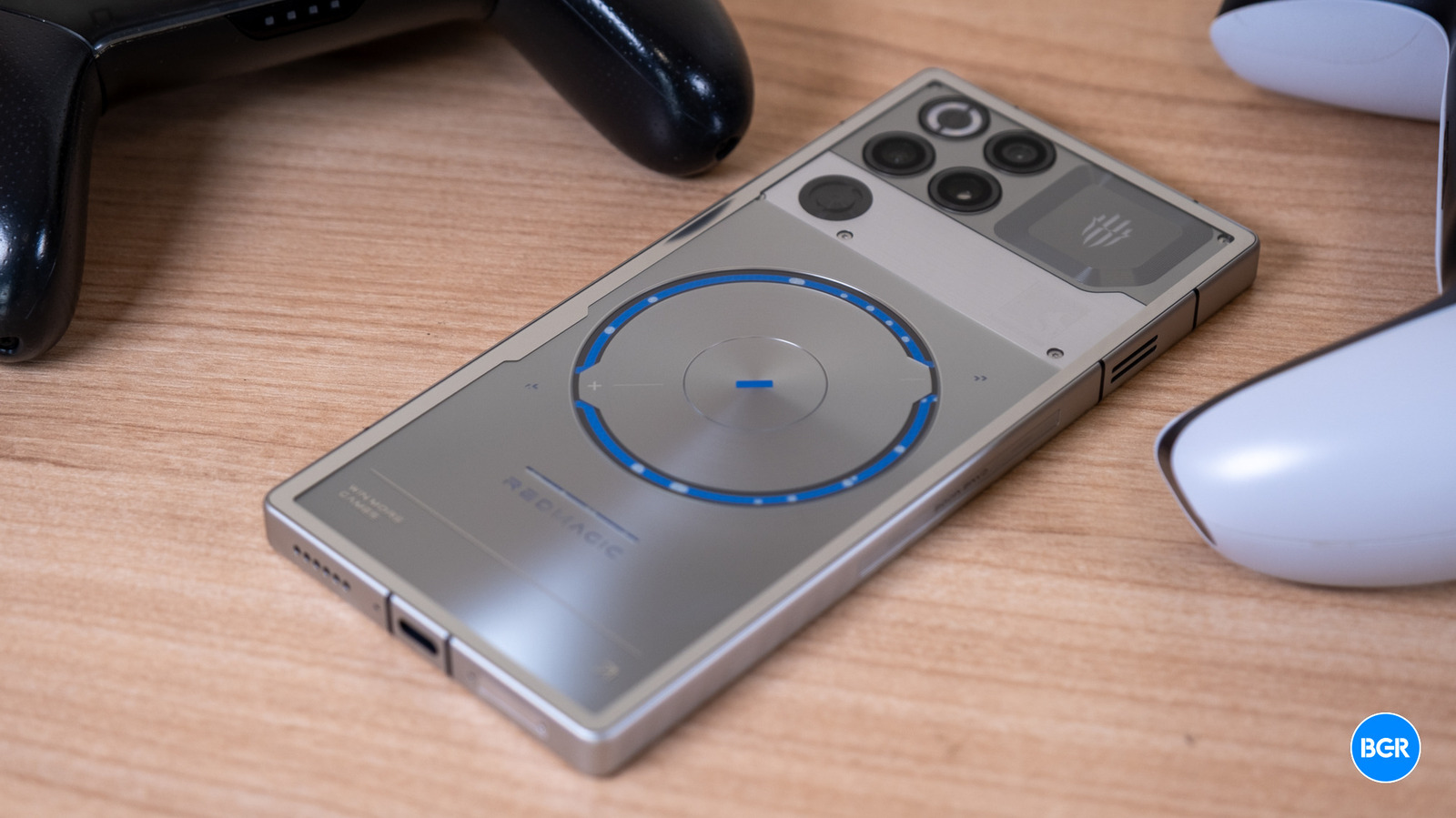
When we look at Android SoC performance for gaming, the distinction becomes clearer. If you are playing high-fidelity titles like Genshin Impact or the latest mobile Ray-Tracing demos, the flagship tier is still non-negotiable. Flagship chips offer superior thermal management systems that prevent the dreaded "throttling" that occurs 20 minutes into a session. A budget phone might start strong, but as heat builds up, the frame rate stability will collapse. For the casual user playing Match-3 games or scrolling TikTok, this extra horsepower is simply dormant potential.
The AI Divide: Where Flagships Still Rule
If there is one area where the flagship vs budget Android debate remains lopsided, it is in the realm of intelligence. By 2026, AI is no longer a gimmick; it is the operating system's backbone. However, there is a clear hardware barrier: on-device generative AI.
Flagship processors, particularly the Tensor G5 architecture and the latest Snapdragon silicon, feature dedicated Neural Processing Units (NPUs) designed specifically for local AI tasks. This allows for features like real-time video translation, "Magic Cue" contextual assistance, and advanced call screening that happen entirely on the device without needing a cloud connection.
Mid-range smartphones are catching up, but they often rely on cloud-hybrid models. This means your AI features might be slightly slower or require an active internet connection to function. Manufacturers are increasingly using AI capabilities in mid-range smartphones to compensate for hardware limitations—for example, using AI image pipelines to make a mid-range camera sensor perform like a flagship one.
When comparing AI features in mid-range vs flagship smartphones, look at the "Exclusive" list. Features that involve generative image editing or real-time local voice synthesis are usually locked behind the flagship paywall because budget silicon simply doesn't have the "brains" to compute those models locally without draining the battery in minutes.
Longevity vs. Price: The True Cost per Year
Many of my readers ask: "Is it cheaper to buy two budget phones over four years or one flagship that lasts four?" In 2026, the math has changed. According to data from Counterpoint Research, the Accessible Flagship smartphone segment, priced between $700 and $999, saw a 25% increase in sales because consumers are realizing that software longevity is a form of currency.
Here is the breakdown of why budget vs flagship android software update longevity matters:
- Flagship Support: Brands like Samsung and Google now offer 7 years of OS and security updates for their top-tier devices.
- Budget Support: Most phones under $400 still only receive 2 to 3 years of OS updates.
- The ROI Factor: A $900 flagship supported for 7 years costs about $128 per year. A $400 budget phone supported for 2 years costs $200 per year.
Beyond software, build material durability plays a role. We are seeing a shift toward titanium and Gorilla Glass Armor in flagships, which handle drops significantly better than the polycarbonate (plastic) frames found in the budget tier. While plastic doesn't shatter, it ages poorly, and the internal components are often less resistant to the micro-vibrations of daily life.
Display and Multimedia: 3000 Nits vs. Reality
In 2026, the "Brightness Wars" have reached a fever pitch. We are seeing flagship displays boasting 3000 nits of peak brightness. While this sounds impressive on a spec sheet, it is important to understand the consumer value proposition.
Flagship devices utilize LTPO display technology, which allows the screen's refresh rate to scale from 1Hz to 120Hz dynamically. This refresh rate scaling is a battery-saving miracle. If you're looking at a static photo, the screen sips power at 1Hz. If you're scrolling, it jumps to 120Hz for buttery smoothness.
Budget phones have finally adopted 120Hz AMOLED panels (even the entry-level Galaxy A-series), but they often lack the "dynamic" part. They usually toggle between 60Hz and 120Hz, which is less efficient. Furthermore, while 3000 nits helps in direct summer sunlight, the 1200 nits found on a 2026 mid-range phone is more than enough for most users.
In terms of photography, the gap is widening in optics, not megapixels. Mid-range phones often use pixel binning sensors to claim high megapixel counts (like 100MP or 200MP), but flagships use physically larger sensors that capture more light. For daytime shots, you'll struggle to see the difference. In low light or when using zoom, the flagship's superior glass and stabilization make it the clear winner.
The Battery Paradox: Why Budget Wins Endurance
Here is a secret that manufacturers don't like to advertise: budget phones often have better battery life than flagships. I call this the Battery Paradox.
Flagships are packed with "luxury" components—haptic motors, wireless charging coils, periscope zoom lenses, and massive cooling chambers. All these parts take up physical space, often forcing manufacturers to use a standard 5000mAh battery.
Budget phones are simpler inside. With fewer specialized components, they have more room for high-capacity silicon-carbon batteries, sometimes reaching 5500mAh or 6000mAh. When you combine a larger battery with a less power-hungry processor, the result is a device that can easily go two full days on a single charge. If you are a traveler or someone who isn't near a charger for 16 hours a day, the budget or mid-range tier might actually be the superior choice for your lifestyle.
Decision Guide: How to Choose Your 2026 Tier
Identifying the sweet spot between mid-range and flagship androids is easier once you define your "user persona." The market in 2026 is highly segmented, and according to Counterpoint Research, the global average selling price for smartphones is expected to reach $414 as more premium features move into the mid-tier.
| Feature | Budget ($200-$400) | Mid-Range ($400-$700) | Flagship ($800+) |
|---|---|---|---|
| Best For | Basic social media, calls | The "Sweet Spot" user | Gamers & Creators |
| Typical SoC | Dimensity 7000 series | Snapdragon 7 Plus Gen 3 | Snapdragon 8 Gen 4 / Tensor G5 |
| Display | 120Hz AMOLED | 120Hz AMOLED | 120Hz LTPO (Variable) |
| Camera | Main + Macro (Basic) | Main + Ultra-wide (Good) | Full Professional Array |
| Updates | 2-3 Years | 4-5 Years | 7 Years |

If you are a "Basic User" who primarily uses their phone for WhatsApp, YouTube, and banking, a mid-range phone is your best bet. You are getting nearly 90% of the performance of a flagship at half the price. However, if you are a content creator, you should ask yourself: are flagship smartphone cameras worth the extra cost for casual users? If you're just posting to Instagram, probably not. But if you're editing 4K video on your device, the thermal management and UFS 4.0 storage speed of a flagship will save you hours of frustration.
Finally, consider the third option: the "Year-Old Flagship." In 2026, a 2025 flagship is often a better purchase than a brand-new 2026 budget phone. You get the premium build, better vibration motors, and superior cameras at a mid-range price.
FAQ
What is the difference between a flagship and a budget Android phone?
A flagship phone represents the pinnacle of a manufacturer's technology, featuring the fastest processors, best camera sensors, and longest software support. A budget phone prioritizes essential functions like battery life and basic connectivity, using more affordable materials and older or mid-tier processors to keep the price low.
Is it better to buy an old flagship or a new budget phone?
In 2026, buying a flagship from the previous year is often the smarter choice. An older flagship usually has a better display, superior build quality, and more capable cameras than a brand-new budget phone, and thanks to modern 7-year update cycles, an older flagship will still have many years of software support remaining.
How do I decide between a flagship and a mid-range Android phone?
Ask yourself if you need "specialized" features. If you need professional-grade zoom photography, high-end mobile gaming without lag, or advanced on-device generative AI tools, go for a flagship. If you primarily use your phone for communication, browsing, and standard apps, a mid-range phone will save you hundreds of dollars while providing a nearly identical experience.
Can budget Android phones handle high-end gaming?
Budget phones can run high-end games, but not at the highest settings. While they may start a game like Genshin Impact smoothly, budget chips lack the advanced thermal management systems of flagships, leading to overheating and frame rate drops during extended play. For serious gamers, the flagship tier remains the only viable option.
Do budget phones receive the same software updates as flagships?
No. While flagships from brands like Samsung and Google now receive up to 7 years of updates, budget and mid-range phones typically receive between 2 and 4 years of support. This makes budget phones potentially more expensive in the long run if they need to be replaced sooner due to security risks or app incompatibility.
The 2026 landscape proves that you no longer have to spend $1,000 to get a "good" phone. For most of us, the mid-range has become the new default. But for those who live on the bleeding edge of AI and mobile creativity, the flagship remains a tool that nothing else can quite replace. Which tier fits your life this year? Let me know in the comments below!