Our Top Picks
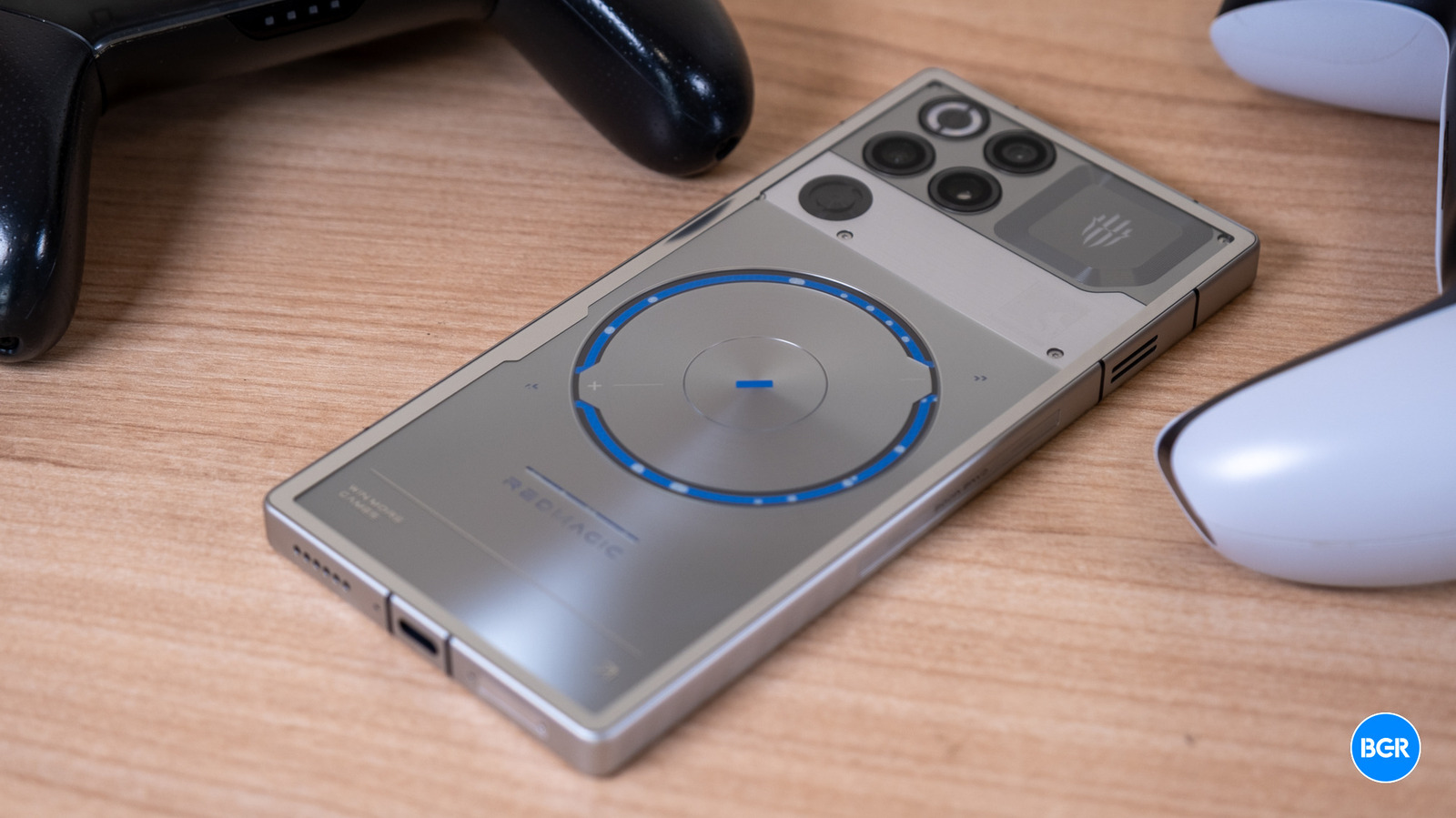
Best Overall: Above Phone Pixel 9a edition for balanced security and long-term support. Best for Purists: Above Phone Flagship with physical sensor kill-switches and Ethernet-over-USB-C for maximum hardware isolation.
This Above Phone review 2026 performance assessment confirms that the device distinguishes itself by shipping with GrapheneOS pre-installed on hardened hardware, effectively removing standard big-tech surveillance frameworks. By utilizing physical sensor kill-switches for the microphone, camera, and GPS alongside a sandboxed environment for necessary applications, it provides a comprehensive solution for digital sovereignty without the steep learning curve of DIY installations.
Hardware Hardening: Beyond the Standard Pixel
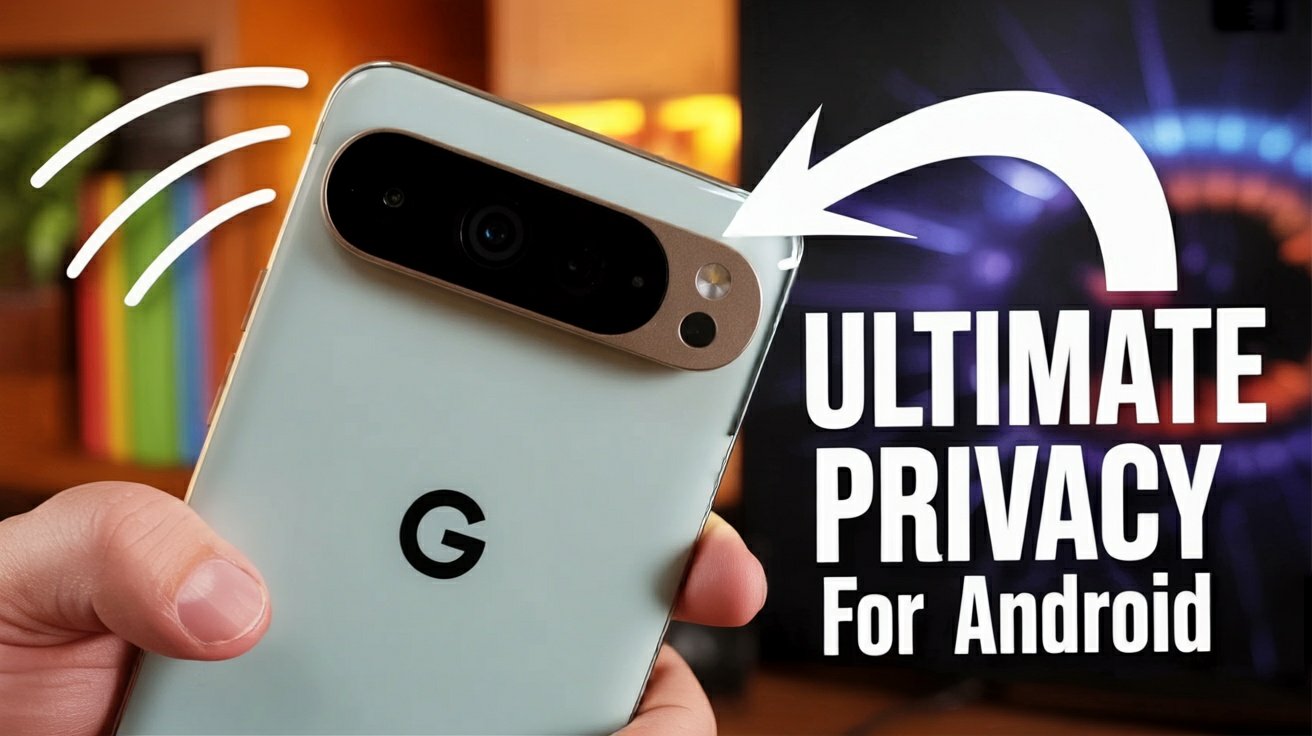
When we talk about mobile security, we usually start with software, but for the Above Phone, the story begins at the manufacturing and assembly level. While the base devices are often familiar Google Pixel or high-end Motorola models, the internal hardening goes far beyond the stock configuration. The cornerstone of the hardware security is the Titan M2 security chip, which acts as a dedicated hardware enclave to protect your encryption keys and ensure a secure boot process.
For users who demand total physical control, the premium editions of the Above Phone include physical sensor kill-switches. These are not software toggles that can be bypassed by a rogue kernel; they are physical breaks in the electrical circuit for the microphone, camera, and GPS. This ensures that even if an adversary gained remote access to your device, they would be physically unable to listen to your conversations or track your location.
- Processor: Google Tensor G4 or Snapdragon 8 Gen 5 (Motorola editions)
- Security Chip: Titan M2 or Qualcomm SPU
- Connectivity: 5G, Wi-Fi 7, and Ethernet-over-USB-C for EMF-free wired networking
- Physical Protection: Optional hardware kill-switches for sensors
Another often-overlooked feature is the ability to use the device in a completely air-gapped or low-emission mode. By using an Ethernet-over-USB-C adapter, you can maintain high-speed internet connectivity while the cellular, Wi-Fi, and Bluetooth radios are entirely disabled. This is a favorite feature for journalists or researchers working in sensitive environments where signal detection is a risk.
GrapheneOS Deep Dive: The Software Fortress
The real magic happens within GrapheneOS, an AOSP-based operating system designed for extreme privacy. As of April 2026, GrapheneOS, the privacy-focused operating system utilized by Above Phone, had an estimated 400,000 active users based on update server access logs. This critical mass has allowed the OS to mature into a daily-driver ready platform.
One of the most impressive GrapheneOS privacy features is the auto-reboot function. Most modern smartphone forensic tools rely on a device being in an AFU (After First Unlock) state. By setting the auto-reboot timer to 12, 24, or 72 hours, the Above Phone will automatically restart if not used, returning the device to a BFU (Before First Unlock) state. In this state, the encryption keys are evicted from memory, making it virtually impossible for forensic tools to extract data without the user's PIN.
Security is further reinforced through a hardened kernel and advanced memory corruption mitigation techniques. To prevent shoulder surfing in public spaces, the OS includes PIN scrambling, which shuffles the numbers on the lock screen every time you wake the device. This ensures that even if someone records your hand movements, they cannot deduce your actual code. Above Phone, founded in 2021, provides pre-configured de-Googled devices with prices ranging from approximately $550 for entry-level models to over $1,000 for flagship series, making this level of hardening accessible to those who don't want to risk "bricking" their own hardware during a manual install.
The App Compatibility Breakthrough: Sandboxed Google Play
The biggest hurdle for most people moving to a de-Googled phone is the fear of losing their favorite apps. Above Phone solves this by running Google Play services within isolated, sandboxed profiles. Unlike stock Android, where Google services have privileged access to your system, on GrapheneOS, they are treated like any other regular app. They can only see what you explicitly allow them to see.
GrapheneOS supports up to 32 separate user profiles for isolating data and applications, a significant increase compared to the four profiles typically supported by stock Android. This allows for a tiered approach to privacy:
| Security Tier | Description | Typical Apps |
|---|---|---|
| Owner Profile | No Google services, maximum hardening | Signal, ProtonMail, KeepassDX |
| Sandboxed Google | Google Play services restricted to this profile | Banking, Maps, Uber |
| Social Sandbox | Highly isolated profile | Instagram, X, TikTok |
| Incognito | Temporary profile for one-time use | Browser-based research, untrusted APKs |
Setting up GrapheneOS on Above Phone for beginners is remarkably simple because these profiles are often pre-configured or guided by the Above Suite. Using Storage Scopes, you can even allow an app to "think" it has access to your entire photo library while only actually seeing the specific files you have selected. This means you can use modern AI tools like Gemini or Grok without giving them the keys to your entire digital life.
Above Suite & DataSIM: Network-Level Anonymity
The Above Phone isn't just a hardware and OS combo; it’s a complete communication ecosystem. The Above Suite, which typically costs around $100 per year, includes a variety of encrypted communication tools for mobile. This suite provides end-to-end encrypted messaging and a secure email service that is designed with a zero-knowledge architecture. One of its standout features is a 48-hour log deletion policy, which ensures that metadata—the "who, when, and where" of your messages—is purged regularly.
When considering Above DataSIM benefits, the most significant advantage is the elimination of the identity link. Standard SIM cards are tied to your ID and credit card, allowing carriers to build detailed location profiles of your movements. The Above DataSIM is a data-only eSIM that requires no personal identification. It prevents cellular carriers from performing SIM-swap attacks and protects against IMSI catcher defense by providing network-level anonymity.
When comparing Above DataSIM vs standard mobile carrier privacy, the difference is night and day. By default, the Above Phone routes all traffic through encrypted VPN connections, ensuring that your ISP or carrier only sees encrypted packets. Is Above Suite worth it for encrypted messaging? For many, the answer lies in the convenience. Having these tools pre-installed and integrated into the OS workflow removes the friction of hunting for private alternatives on the Play Store.
The 2026 Roadmap: Motorola and Snapdragon Integration
While the Google Pixel series remains the gold standard for GrapheneOS support due to its robust verified boot implementation, 2026 has seen an expansion into the Motorola flagship lineup. These newer models utilize Qualcomm’s SPU (Secure Processing Unit), offering an alternative for those who prefer Snapdragon architecture over Tensor.
This expansion means that users can now enjoy the same privacy benefits on a wider variety of form factors, including foldables and devices with 5-7 year update support windows. The transition to Motorola devices also brings improved thermal management and faster charging speeds, addressing some of the hardware-specific complaints users had with earlier Pixel-only iterations. This diversification ensures that digital sovereignty is not tied to a single hardware manufacturer, reinforcing the open-source transparency that the Above Phone community values.
FAQ
Is the Above Phone worth buying?
For users who value their data privacy but lack the technical expertise or time to manually de-Google a device, the Above Phone is an excellent investment. It provides a "turnkey" solution that includes hardened hardware, a pre-configured OS, and anonymous connectivity options that are difficult to replicate on your own.
How does the Above Phone protect my privacy?
The device uses a multi-layered approach: GrapheneOS removes Google's system-level tracking, sandboxed profiles isolate data-hungry apps, and the optional DataSIM prevents carrier-level location logging. Physical kill-switches and PIN scrambling add extra layers of protection against physical and forensic threats.
Can the Above Phone run regular Android apps?
Yes, the vast majority of Android apps run perfectly. By using sandboxed Google Play services, you can run apps that require Google's infrastructure (like banking, ride-sharing, or food delivery) without compromising the security of the rest of your phone.
Does the Above Phone support Google Play Store apps?
Yes. Through the sandboxed Google Play feature, you can access the Play Store and install apps just like a regular Android phone. The difference is that these apps are restricted from accessing your personal data, contacts, or location unless you explicitly grant permission through GrapheneOS's advanced privacy toggles.
Is the Above Phone easy for non-technical users to set up?
Yes, this is one of its main selling points. Unlike a DIY GrapheneOS install, the Above Phone comes pre-configured. The Above Suite provides a user-friendly onboarding process that guides you through creating profiles and setting up encrypted communications, making it accessible to anyone who can use a standard smartphone.