Our Top Picks
If you are looking for a new sound system, the data is clear: steer clear of the Sony SRS-RA5000 and the Audioengine B2. These models suffer from inconsistent frequency response and a total lack of true portability despite their high prices. Instead, look toward brands that prioritize driver configuration and cabinet materials that actually support high audio fidelity.
Consumer Reports identifies several wireless speakers to avoid due to low performance scores, including the Sony SRS-RA5000, AirPulse AU-4 Compact, Fluance Ai41, Audioengine B2, and Tivoli Audio Sphera. These lowest rated Bluetooth speakers fail due to muddy audio and poor price-to-performance ratios, often leaving listeners with a compressed audio mix that lacks clarity and detail.
The Consumer Reports Hall of Shame
In the world of high-end audio, a high price tag usually promises a premium experience. However, recent lab testing has revealed that some of the most expensive names in the industry are falling short of basic performance benchmarks. When we look at the Consumer Reports wireless speaker scores, several high-profile models have landed at the bottom of the list.
| Model | Estimated MSRP | Consumer Reports Score | Primary Performance Flaw |
|---|---|---|---|
| Audioengine B2 | $199 | 39/100 | Poor bass and compressed mix |
| Sony SRS-RA5000 | $799 | 45/100 | Lacks battery; hazy sound |
| AirPulse AU-4 Compact | $499 | 48/100 | Limited connectivity options |
| Fluance Ai41 | $249 | 52/100 | Mid-range distortion issues |
| Tivoli Audio Sphera | $249 | 42/100 | Weak spatial audio depth |
You should avoid these models if you value audio fidelity and long-term durability. While they might look great on a bookshelf, their technical performance suggests they are far from the best value on the market today.
The High-Price Failure: Sony SRS-RA5000 and the SRS-XV900
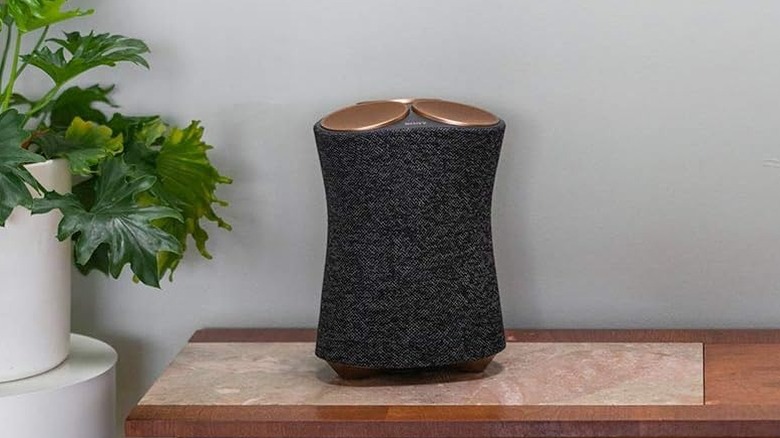
As an editor who has spent thousands of hours testing gear, I am usually the first to defend Sony’s engineering. But even the giants can stumble. The Sony SRS-RA5000 is a prime example of marketing hype outstripping engineering reality. Priced at a staggering $799, it only managed a score of 45 out of 100 in independent testing.
The biggest issue is the lack of a battery. Despite being marketed in the wireless speaker category, it requires constant power from a wall outlet. For $800, consumers expect a level of versatility that this unit simply does not provide. Furthermore, it lacks any formal IP rating, meaning it is vulnerable to dust and moisture, a major drawback for any device intended for home use where spills can happen.
The Sony SRS-XV900 party speaker also failed to impress. Consumer Reports included it in their list of the 25 worst products of 2025 because of its sound quality. Testers described the output as hazy, muffled, and lacking detail. When you are spending nearly a thousand dollars, you should be getting crystal-clear signal-to-noise ratio performance, not a speaker that sounds like it is playing from under a blanket. These Sony and Audioengine speaker flaws highlight a growing trend where lifestyle design takes precedence over actual sonic depth.
Budget vs. Performance: Audioengine B2 and Fluance Ai41
If the Sony failures represent a "high-end" collapse, the Audioengine B2 represents a failure in the mid-range enthusiast market. Historically, Audioengine has been a darling for desktop setups, but the B2 Bluetooth speaker missed the mark entirely. Consumer Reports assigned it a dismal score of 39 out of 100.
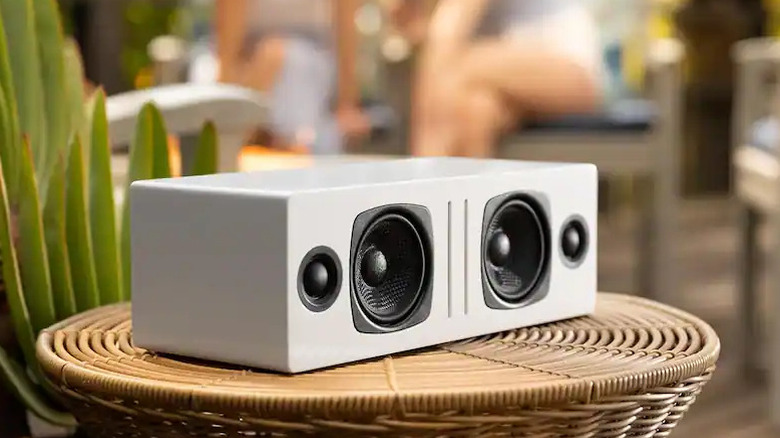
The primary reason for this low score is the poor bass performance. In technical testing, the B2 struggled with bass reproduction, resulting in a compressed audio mix that fails to deliver clarity for vocals and lead instruments. When you listen to a well-mastered track, the mid-range distortion in the B2 becomes apparent, stripping the music of its life and energy. For those looking for Audioengine B2 alternatives with better bass, you would be much better off looking at dedicated bookshelf pairs that don't try to cram everything into a single, poorly tuned cabinet.
Then there is the Fluance Ai41. Fluance usually hits a home run with price-to-performance ratio, but the Ai41 bookshelf speakers have common flaws that make them hard to recommend to serious listeners. While they look premium with their wood-grain finish, the frequency response is notably inconsistent.
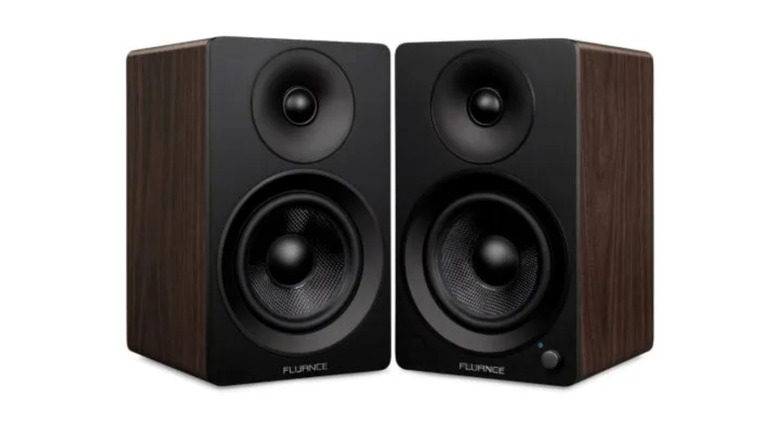
The Ai41 often suffers from a recessed mid-range, which means dialogue in movies or lead vocals in music can feel distant and thin. Testers noted that despite the larger driver configuration, the spatial audio depth is lacking compared to cheaper, better-tuned rivals. This is a classic case of why expensive wireless speakers fail Consumer Reports tests: they prioritize the physical size of the drivers over the sophisticated digital signal processing needed to make them sound good.
Technical Red Flags: Why Some Wireless Speakers Fail
When you are scanning the aisles or browsing online, it is easy to get distracted by flashy designs and "spatial audio" stickers. However, identifying wireless speakers to avoid requires looking at the technical specs that companies often hide in the fine print.
One of the most common pitfalls is what I call "fake portability." These are wireless speakers that are not truly portable because they lack an internal battery. If a speaker is marketed as "wireless" but requires a power cord to function, its utility is severely limited. Furthermore, many of these models lack an IP67 waterproof rating, which has become the industry standard for durability in 2026. Without this rating, your expensive investment could be ruined by a simple glass of water or a humid afternoon on the patio.
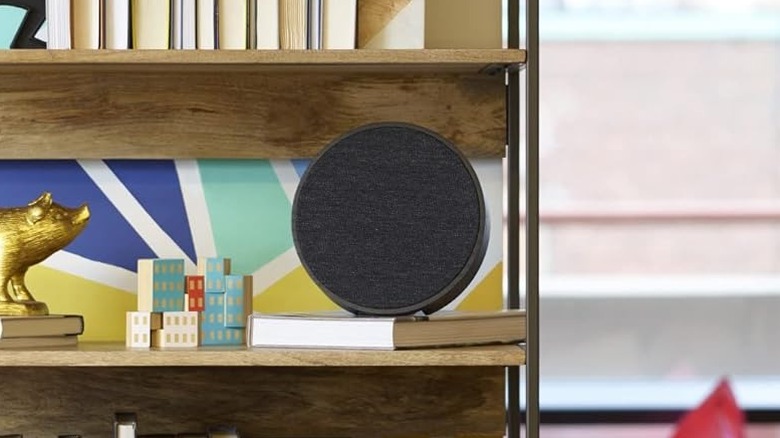
Cabinet materials also play a massive role in sound quality. Cheap, thin plastic cabinets often lead to unwanted resonance, which muddies the sound. High-rated speakers typically use reinforced polymers or high-density wood composites to ensure the only thing vibrating is the speaker driver itself. Additionally, keep an eye on connectivity. If a speaker in 2026 doesn't support Bluetooth 5.3 or higher, you are likely to experience frequent connectivity issues and lower data transmission rates, which directly impacts the audio fidelity of your high-resolution tracks.
Better Alternatives: What to Look for in 2026
To avoid the disappointment of the lowest rated Bluetooth speakers, you need to know what a high-performance speaker looks like today. The landscape of audio technology has shifted, and the standard for what we consider "good" sound is higher than ever.
First, prioritize models that offer a 3-way driver configuration. By separating the woofer, mid-range driver, and tweeter, a speaker can reproduce different frequencies more accurately without the mid-range distortion found in the Audioengine and Sony models. Look for speakers that support advanced codecs like aptX HD or the latest Auracast features, which allow for seamless multi-speaker broadcasting.
Brands like Marshall and JBL have consistently outperformed the "lifestyle" brands in recent testing. Their focus on consistent frequency response and rugged build quality ensures a much better price-to-performance ratio. A speaker with a solid signal-to-noise ratio will provide a black background for your music, allowing every detail of the recording to shine through. When you find a model that combines a high IP67 waterproof rating with proven technical specs, you have found a winner.
FAQ
What are the signs of a poor quality wireless speaker?
A poor quality speaker often exhibits a "hazy" or muffled sound, where individual instruments are difficult to distinguish. Technically, this is often caused by a compressed audio mix and high levels of mid-range distortion. Other signs include a lack of bass impact and a physical build that feels light or "hollow," suggesting poor cabinet materials that will resonate and interfere with the sound.
Which wireless speaker features should I avoid?
You should be wary of speakers that claim to be "wireless" but do not include an internal battery, as this severely limits their portability. Additionally, avoid models that lack modern Bluetooth standards like Bluetooth 5.3, as they are prone to frequent connectivity issues. Finally, avoid speakers that do not have an IP67 waterproof rating if you plan to use them anywhere near water or outdoors.
Do expensive wireless speakers ever perform poorly?
Yes, price is not always an indicator of quality. As seen in the Consumer Reports wireless speaker scores, the $800 Sony SRS-RA5000 received a very low score of 45 out of 100. Many expensive speakers prioritize industrial design or brand prestige over the actual driver configuration and signal-to-noise ratio required for high audio fidelity.
What technical specs indicate a low-quality speaker?
Keep an eye out for a narrow frequency response range and the absence of high-quality Bluetooth codecs. A speaker with a low signal-to-noise ratio will often have a noticeable "hiss" during quiet passages of music. Additionally, speakers that use thin plastic for their cabinet materials are more likely to suffer from resonance issues that muddy the overall audio output.
Why do some wireless speakers have frequent connectivity issues?
Frequent dropouts are usually the result of outdated hardware. Older versions of Bluetooth have less bandwidth and are more susceptible to interference from other household devices. To ensure a stable connection, look for speakers that utilize Bluetooth 5.3 or higher, which offer better range, faster pairing, and more robust signal stability.