Quick Facts
- Market Outlook: Global vibration sensor market reaching $12B by 2035
- Top Feature: Detects vibration, tilt, drop, and physical movement
- Tech Standard: Utilizes accelerometer technology for sub-GHz communication
- Key Benefit: Provides 10-20% insurance discounts for monitored security
- Battery Life: Up to 5 years for premium models like the Aqara P1
- Connectivity: Requires Zigbee or Matter-compatible hub for local execution
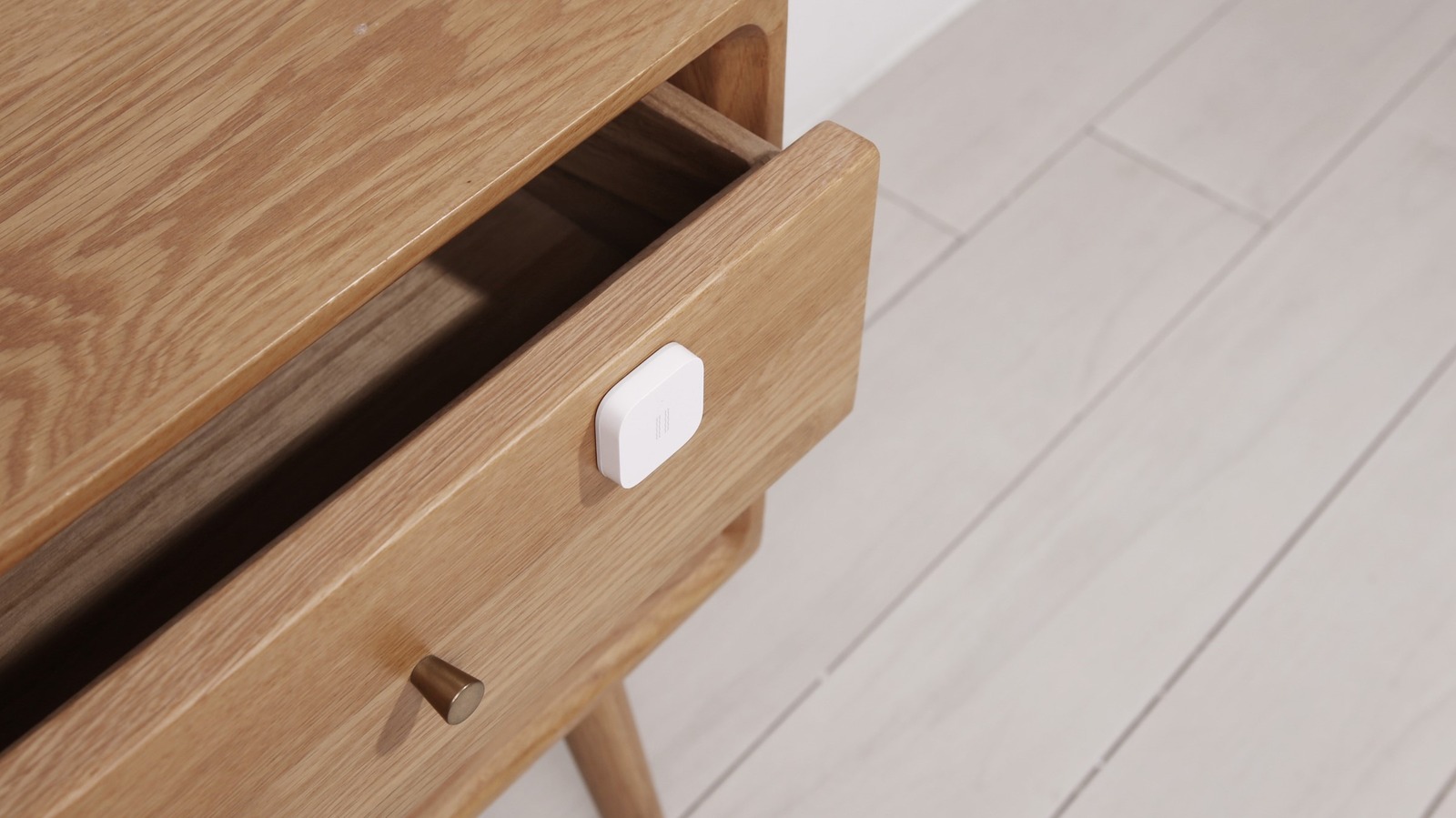
A smart vibration sensor is a compact device that utilizes accelerometer technology to detect physical movement, tilt, or drops. When attached to an object, such as a window or a household appliance, it transmits digital feedback to a smart home hub via protocols like Zigbee or Matter. This allows users to receive real-time notifications on their smartphones whenever specific vibrations or mechanical movements are triggered.
In the world of smart home enthusiasts, we often focus on the heavy hitters: smart locks, video doorbells, and thermostats. However, as an editor specializing in IoT, I have found that the most sophisticated automations often stem from the smallest components. The global vibration sensor market was valued at approximately USD 5.63 billion in 2022 and is projected to reach over USD 12 billion by 2035, driven by their integration into smart home security and building management systems. This growth highlights a shift toward more nuanced, sensor-driven homes that do not just react to a voice command but anticipate our needs through physical environment monitoring.
1. Upgrade Home Security: Beyond Contact Sensors
Most homeowners start their security journey with contact sensors, which trigger an alert when two magnets are separated. While effective, they have a major blind spot: they only tell you when a door or window is already open. Integrating a vibration sensor for home security adds a proactive layer to your perimeter security. These devices detect the initial impact or force applied to a frame, often alerting you before a break-in actually occurs.
For sliding glass doors, a smart vibration sensor is particularly effective. Because sliding doors are vulnerable to being lifted off their tracks or having the glass shattered, a traditional contact sensor might remain silent while an intruder enters. An accelerometer-based sensor, however, detects the G-force sensitivity associated with glass tampering or forced entry.
| Feature | Contact Sensor | Smart Vibration Sensor |
|---|---|---|
| Detection Method | Magnetic Field Separation | Accelerometer / Vibration / Tilt |
| Primary Use | Monitoring if doors/windows are open | Detecting impacts, tampering, or glass break |
| Tamper Protection | Low (can be bypassed with magnets) | High (detects any movement of the unit) |
| Mounting | Requires two parts (sensor + magnet) | Single compact unit |
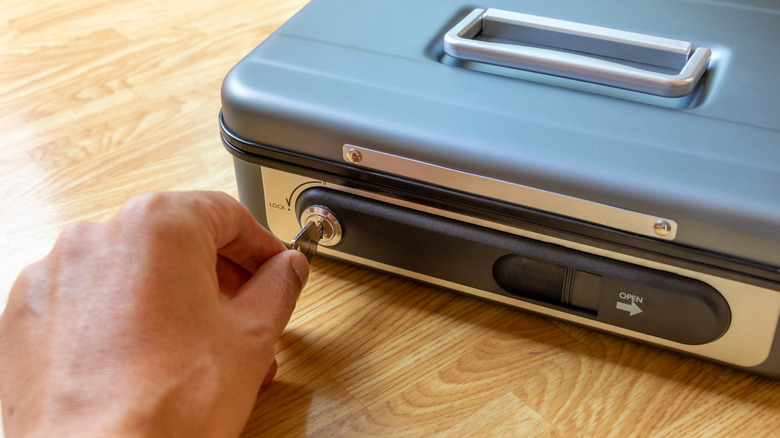
Beyond entry points, these sensors offer exceptional asset protection. If you have a safe, a gun locker, or a liquor cabinet, adhesive mounting a sensor to the interior or exterior provides an immediate alert if the object is tilted or moved.
2. Laundry Mastery: Washing Machine & Dryer Notifications
One of the most practical "life hacks" in home automation involves appliance vibration sensor monitoring. We have all experienced the frustration of forgetting a load of laundry in the machine, only to find it smelling musty hours later. Many modern "smart" washers are expensive and often have poor app support. You can retrofit your existing appliances for a fraction of the cost.
By attaching a smart vibration sensor to the side or top of your washing machine, you can create a logic flow that monitors the mechanical baseline of the spin cycle. When the vibration stops for a set period, the sensor sends a signal to your Zigbee connectivity hub, which then pushes a notification to your phone or announces "Laundry is finished" through your smart speakers.
Expert Insight: Avoiding False Alarms To ensure your smart vibration sensor for washing machine notification doesn't fire prematurely during the wash cycle's natural pauses (like during a soak or water drain), set a "condition" in your automation. Configure the alert to trigger only if no vibration is detected for at least 3 to 5 minutes. This delay accounts for the machine's intermittent pauses.

3. Porch Pirate Protection: The Smart Mailbox
While video doorbells cover the front porch, the mailbox at the end of the driveway is often a blind spot. With package theft rising, using Aqara vibration sensors for mailbox delivery alerts is a clever way to stay ahead of "porch pirates."
When the mail carrier opens the box or drops a heavy package inside, the tilt detection or vibration triggers an instant alert. This allows you to retrieve your mail immediately, reducing the window of opportunity for theft. Because mailboxes are often made of metal, which can act as a Faraday cage, it is best to mount the sensor on the inside of the door or use a hub with strong local execution capabilities to ensure the signal reaches your home network.
Analog vibration sensors are projected to capture more than 70% of the market share within smart home security applications by 2035 because they are highly sensitive and cost-effective. For a mailbox, this sensitivity is key to detecting the slight movement of a lid or door opening.

4. Lighting & Comfort: Creative Automation Triggers
Moving beyond security, vibration sensor automation ideas can transform how you interact with your furniture. One of my favorite creative vibration sensor triggers for smart lighting scenes involves placing a sensor under a favorite armchair or the underside of a bed frame.
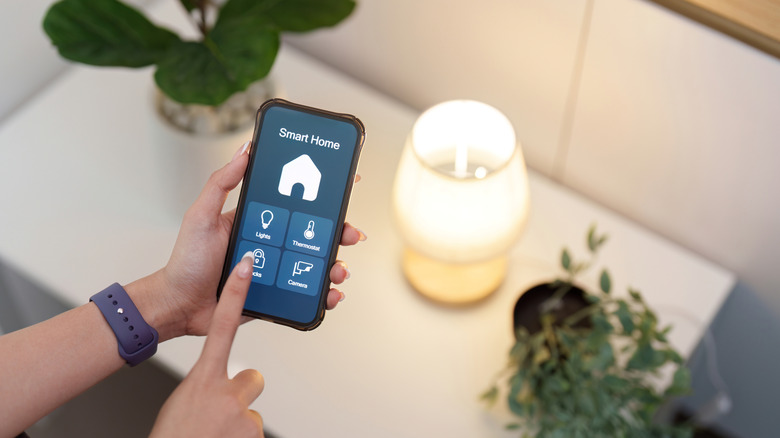
When the sensor detects the specific vibration of someone sitting down or the tilt of a recliner being deployed, it can trigger a "Reading Mode" scene—dimming the overhead lights and turning on a floor lamp via HomeKit compatibility or an IFTTT integration.
Another sophisticated use involves "Negative Triggers." For example, if the medicine cabinet door hasn't registered a vibration by 10 AM, your smart home can send a reminder to your phone to take your vitamins. This turns a simple sensor into a health and wellness assistant, ensuring that daily habits are maintained through subtle monitoring of physical disturbances.
5. Industrial Precision at Home: Monitoring Appliance Health
In industrial settings, engineers use vibration analysis to predict when a motor is about to fail. You can apply the same principle to your home’s HVAC system or refrigerator. By monitoring the RMS Velocity and mechanical baselines (referencing standards like ISO 10816-1), you can identify when an appliance is vibrating more than usual.
If your refrigerator compressor starts shaking excessively or your HVAC blower develops a mechanical imbalance, a smart vibration sensor can alert you before the component fails entirely. This "predictive maintenance" approach can save thousands in emergency repair costs. To do this effectively, you must first establish a 25-hour baseline period where the sensor learns the "normal" vibration patterns of the functioning appliance.
Technical Setup: Hubs, Sensitivity, and Calibration
To get the most out of your smart vibration sensor, proper installation and calibration are vital. Most of these devices use a coin cell battery, making them incredibly light and easy to place with simple adhesive mounting. However, they typically require a Zigbee or Matter-compatible hub to function, as Wi-Fi is too power-hungry for such a small form factor.
A common pain point for new users is the "false positive." If a sensor is too sensitive, a heavy truck driving by or a gust of wind against a window might trigger a security alert. Most modern apps allow you to adjust the G-force sensitivity levels.
Expert Insight: Axis Orientation When setting up your sensor for motor diagnostics or tilt detection, pay attention to the axis orientation (X, Y, and Z). For example, if you are monitoring a garage door that tilts as it opens, the sensor must be oriented so the tilt happens along the axis the software is designed to monitor. Proper vibration sensor placement guide for entry point monitoring suggests placing the device in the upper corner of the door or window where the vibration is most pronounced during a forced entry attempt.

FAQ
What is a smart vibration sensor used for?
A smart vibration sensor is used to detect physical movement, impacts, or changes in orientation (tilt). Common uses include home security for windows and doors, monitoring appliances like washing machines to see when they finish a cycle, and protecting high-value assets like safes.
How does a wireless vibration sensor work?
These sensors contain a tiny component called an accelerometer. This component measures G-force and movement across three axes. When a threshold is met, the sensor sends a digital signal via a low-power protocol like Zigbee or Matter to a central hub, which then executes a pre-set automation or sends a notification.
Can a vibration sensor detect glass breaking?
Yes, many smart vibration sensors are sensitive enough to detect the specific high-frequency vibrations caused by glass breaking or a heavy impact on a window frame. However, they are different from dedicated acoustic glass-break sensors, which listen for the sound of shattering glass.
Where is the best place to install a smart vibration sensor?
For security, place it on the corner of a window pane or door frame. For appliances, place it on a flat, non-moving surface of the machine (like the side panel). For a mailbox, mount it on the interior of the lid or door. Always ensure it is within range of your smart home hub.
Can I use a vibration sensor to monitor household appliances?
Absolutely. This is one of the most popular uses for vibration sensors. By attaching one to a washer, dryer, or even a dishwasher, you can receive alerts when the vibration stops, indicating the cycle is complete. It is an excellent way to add smart features to older "dumb" appliances.
Whether you are looking to bolster your home security or simply want to know the second your laundry is done, the smart vibration sensor is a versatile, cost-effective tool that belongs in every automated home. Have you found a creative way to use these sensors in your setup? Share your favorite automation ideas in the comments below!