Quick Facts
- Peak Date: February 28, 2026
- Planets Visible: 6 (Mercury, Venus, Jupiter, Saturn, Uranus, Neptune)
- Best Time: 30-60 minutes post-sunset
- Visual Anchor: 90% illuminated Moon near Jupiter
- Required Gear: Smartphone, Tripod, AR App
- Optimal Horizon: Clear view of the western horizon
The 2026 planetary alignment is a rare celestial event, and you don't need a telescope to capture it. Your smartphone is actually the best tool for the job. The 2026 planetary alignment, also known as a planetary parade, will be most visible on February 28, 2026. This celestial event features six planets—Mercury, Venus, Jupiter, Saturn, Uranus, and Neptune—appearing in an arc across the sky. To see it, look toward the western horizon approximately 30 minutes after sunset, where four of these planets will be visible to the naked eye.

The Smartphone Advantage: Why Ditch the Telescope?
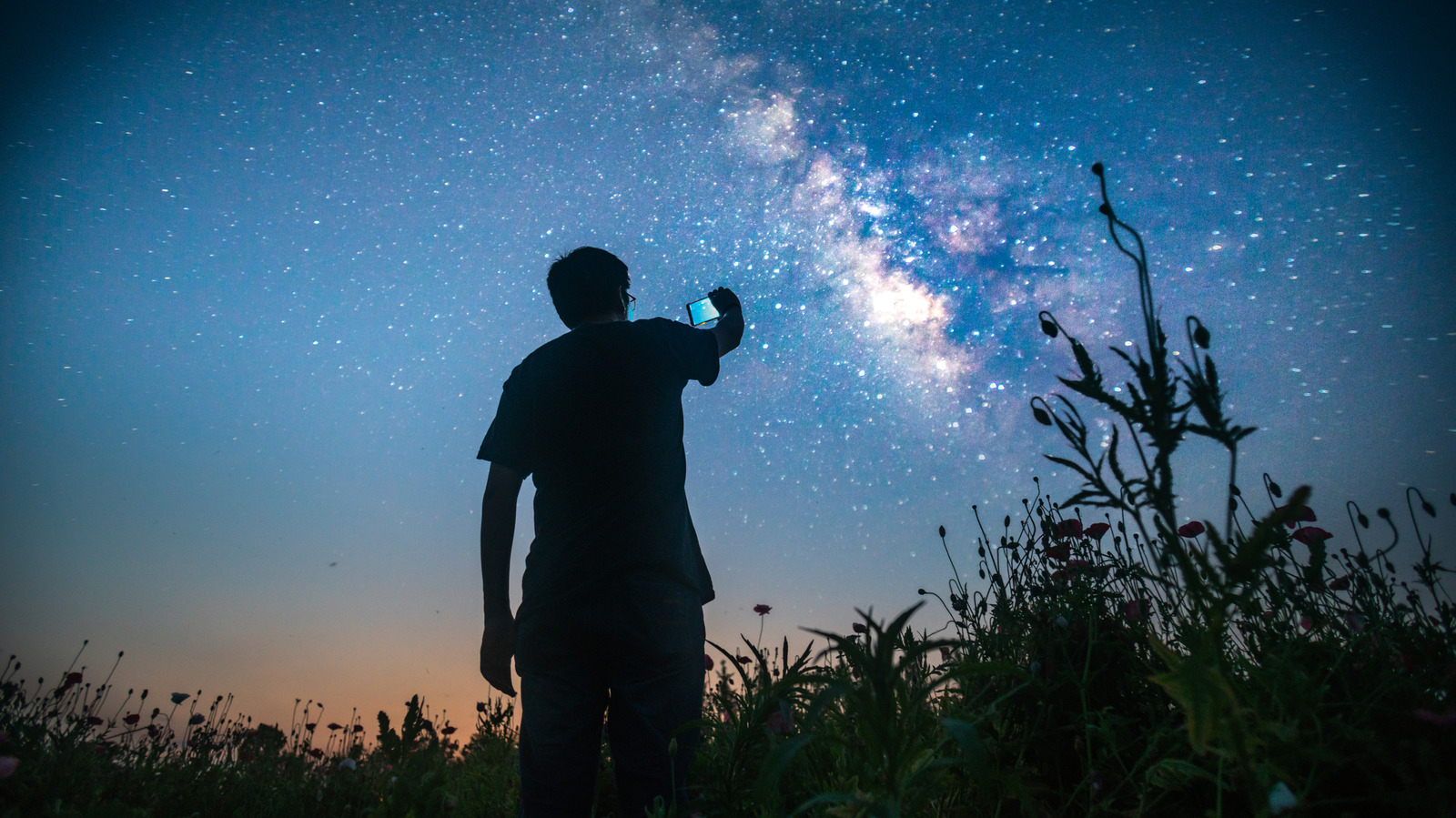
As an editor who spends most of my time testing the latest mobile sensors, I often get asked if a professional DSLR or a telescope is necessary for astrophotography. For the upcoming February 2026 planetary parade, the answer is a surprising "no." In fact, your smartphone offers several advantages that a traditional telescope cannot match, especially for wide-field events like a planetary alignment.
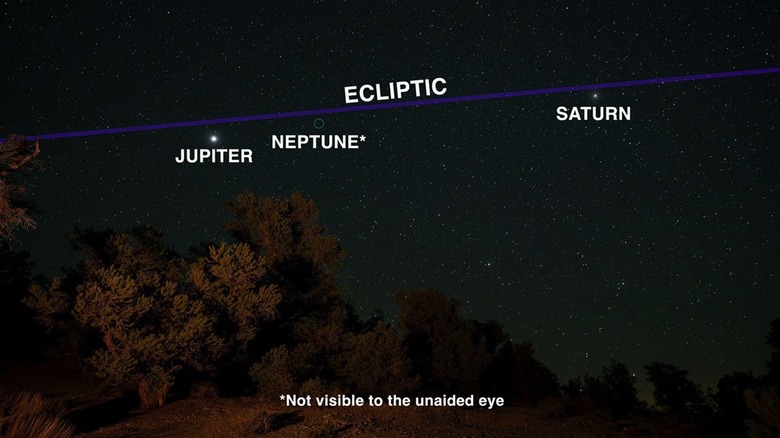
The primary reason is the field of view. A telescope is designed to zoom in on a single object, like the craters of the moon or the rings of Saturn. However, a planetary parade is a wide-scale event where planets are spread across the ecliptic path. To capture the full arc of six planets, you need a wide-angle lens, which every modern flagship phone possesses.
Furthermore, the computational photography power in your pocket is staggering. Flagship smartphones available in 2026 feature dedicated astrophotography modes that utilize AI-driven image stacking to support long exposures ranging from 4 to 10 minutes for capturing deep-sky details. This technology allows the phone to take dozens of photos in seconds and combine them to reduce noise and brighten the dimmest planets like Neptune and Uranus.
Another massive advantage is the integration of best apps to find planets. Using an augmented reality overlay, apps like Star Walk 2 or SkyGuide allow you to point your phone at the sky and see exactly where each planet is positioned, even before astronomical twilight has fully faded. This takes the guesswork out of smartphone astrophotography tips and makes the experience accessible for everyone.
Step-by-Step Guide: Professional Phone Settings
To get the best results, you cannot simply point and shoot in standard photo mode. You need to treat your phone like a professional camera. Following a step by step guide to planet parade photography for beginners will ensure that your images are sharp and your colors are accurate.
First, stability is everything. Even the slightest vibration will turn a distant planet into a blurry streak. Always use a tripod mount. If you don't have a professional tripod, find a flat surface and lean your phone against a steady object. For the absolute best results, use a remote shutter release or set a 3-second timer on your camera app. This prevents the "tap" of your finger from shaking the device when the shutter opens.
Once your phone is stable, switch to manual exposure control or Pro Mode. This allows you to override the phone’s tendency to over-brighten the night sky, which can introduce digital noise. Here is a technical cheat sheet for your settings:
Technical Cheat Sheet for 2026 Planetary Alignment
| Setting | Recommended Value | Why it Matters |
|---|---|---|
| Mode | Night Mode or Pro/Manual | Allows for long exposure and RAW format. |
| Focus | Manual (Set to Infinity) | Prevents the lens from "hunting" in the dark. |
| ISO Sensitivity | 100 to 400 | Keeps the sky black and reduces grain/noise. |
| Exposure Time | 2 to 10 seconds | Captures enough light from dimmer planets. |
| Timer | 2 or 5 seconds | Eliminates camera shake from your touch. |
| White Balance | 3500K - 4500K | Keeps the night sky looking naturally cool/blue. |
When you are capturing planetary alignment with iPhone night mode, the software usually handles the stacking automatically. However, manually locking the focus on a bright object—like the Moon or Jupiter—is essential. Simply tap and hold on the brightest point in the sky until you see the focus lock indicator. This ensures the camera doesn't lose focus during the long exposure.
Reality Check: Visibility & Magnitude Breakdown
While we talk about six planets, they won't all look the same to your eyes or your camera sensor. Understanding visual magnitude is key to managing your expectations for the 2026 planetary alignment. Magnitude is a scale where lower numbers mean brighter objects.
- The Superstars: Venus (magnitude -3.9) and Jupiter (magnitude -2.3) will be incredibly bright. They will look like brilliant "stars" that don't twinkle. Your phone will pick these up instantly, even in areas with moderate light pollution.
- The Supporting Cast: Saturn and Mercury are visible to the naked eye but are much fainter. Mercury, in particular, stays very close to the horizon and sets quickly after the sun, so timing is critical.
- The Ghosts: Uranus and Neptune are the challenge. They are generally too dim to see without a telescope or binoculars in a typical city environment. However, this is where smartphone astrophotography apps for planet hunting 2026 come in. By using a long exposure of 5-10 seconds on a tripod, your phone’s sensor can actually "see" these planets even when you can’t.
On February 28, 2026, the Moon will be 90% illuminated and positioned near Jupiter. This is your best visual anchor. If you can find the Moon, you have found the center of the parade.
Location & Safety: Finding the Western Horizon
Knowing how to photograph 2026 planetary alignment with smartphone is only half the battle; you also need to know where to stand. Because Mercury and Venus are "inner" planets, they always appear near the sun. This means the February 2026 planetary parade will take place low on the western horizon shortly after sunset.
Find a location with an unobstructed view of the west. A beach, a hilltop, or even a high-floor balcony is perfect. Avoid areas with heavy light pollution or tall buildings that might block the lower part of the sky. You should start your session about 20 minutes after sunset. Mercury will be the first to disappear below the horizon, followed quickly by Venus.
A quick safety note: never point your camera or look directly at the sun with any optical device while it is still fully above the horizon. Wait until the sun has completely set before you begin your search for the planets.
If you miss the February event due to clouds, don't worry. On August 12, 2026, a large morning alignment will feature six planets: Jupiter, Mercury, Mars, Uranus, Saturn, and Neptune. This will be a morning event, requiring you to look east before sunrise, offering a second chance to practice your smartphone astrophotography tips.
FAQ
When is the next planetary alignment in 2026?
The most significant planetary alignment of the year occurs on February 28, 2026, in the evening sky. A second major event, known as a large morning alignment, will take place on August 12, 2026, featuring a different configuration of six planets visible before dawn.
Which planets will be visible in the 2026 alignment?
During the February 28 alignment, you can see Mercury, Venus, Jupiter, Saturn, Uranus, and Neptune. While Venus and Jupiter are the brightest, Uranus and Neptune typically require a long-exposure photograph or binoculars to be detected clearly.
How many planets will align in 2026?
There are six planets involved in the primary February 2026 alignment. These planets appear to line up because they are all orbiting the sun on a similar flat plane called the ecliptic path, though they are actually millions of miles apart in space.
Can you see the 2026 planetary alignment without a telescope?
Yes, you can see the 2026 planetary alignment without a telescope. At least four of the planets—Mercury, Venus, Jupiter, and Saturn—will be visible to the naked eye under clear, dark skies. To "see" the dimmer planets like Neptune and Uranus, a smartphone with a long-exposure night mode is often sufficient.
What is the best time to see the 2026 planetary alignment?
The best time is approximately 30 to 60 minutes after sunset on February 28, 2026. This window is narrow because Mercury and Venus follow the sun closely and will sink below the western horizon shortly after it gets dark.