Quick Facts
- Best Overall Value: The Ryobi 18V ONE+ system is the top recommendation for homeowners due to its massive tool library and aggressive pricing.
- Best Long-Term ROI: Ridgid offers the best financial protection through its Lifetime Service Agreement, which covers battery replacements.
- Top Savings Hack: You can save approximately 30 percent by purchasing combo kit bundles rather than buying tools and batteries separately.
- Compatibility King: Ryobi maintains a single battery shape that has remained backward compatible with every tool produced since 1996.
- Performance Factor: Selecting tools with brushless motors can offer up to 50% more runtime, maximizing the output of your lithium-ion technology.
- Cost Metric: Entry-level brands typically offer a lower price-to-performance ratio, often priced at half the cost of premium brands like Makita or Bosch.
Ryobi is widely considered the best value power tool batteries for DIY homeowners, offering the lowest price per amp-hour among major 18V platforms. By utilizing established technology and cost-effective housing materials, Ryobi maintains a lower retail price than premium brands like Milwaukee or DeWalt. This makes the One+ system ideal for home maintenance projects where professional-grade durability is not the primary requirement.
The True Cost of a Battery Platform
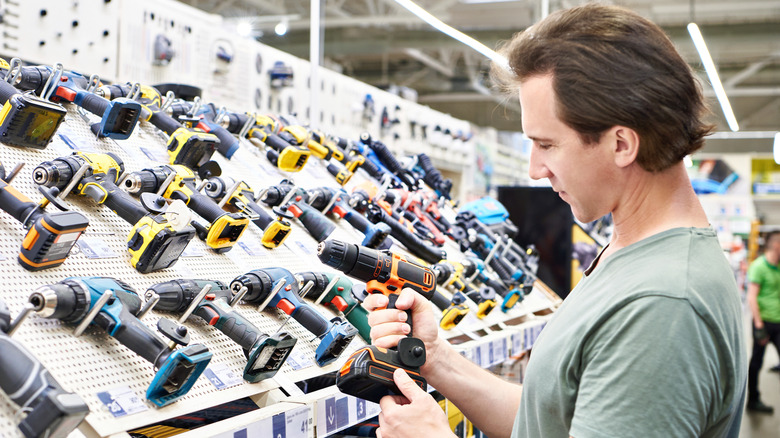
When you walk into a home improvement center to buy your first cordless drill, you aren't just buying a tool; you are making a decade-long financial commitment. Because batteries are often the most expensive component of a cordless tool system, the brand you choose today dictates your spending for years to come. This is known as the cordless tool ecosystem lock-in. For most homeowners, finding the best value power tool batteries is about balancing the initial purchase price with the breadth of tools that can share those same batteries.
The market for these tools is shifting rapidly toward the residential user. In fact, the DIY segment of the global market is projected to experience a compound annual growth rate of 8.15 percent through 2031. This growth exceeds that of professional segments, leading manufacturers to focus more on the price-to-performance ratio that homeowners crave. Many of these brands are actually owned by the same parent companies. For instance, Techtronic Industries (TTI) owns both the premium Milwaukee brand and the value-oriented Ryobi brand. This corporate structure allows for a sharing of lithium-ion technology while differentiating products through materials and marketing.
To choose the best value power tool battery for occasional use, you must look past the color of the plastic and focus on the amp-hour rating and the variety of the interchangeable platforms. A cheap battery is only a bargain if it powers a tool you actually need. If a brand offers the most affordable national power tool battery brands for homeowners but only has ten compatible tools, you will eventually find yourself forced to buy into a second battery platform, doubling your charger clutter and your costs.
Ryobi 18V ONE+: The Value Gold Standard
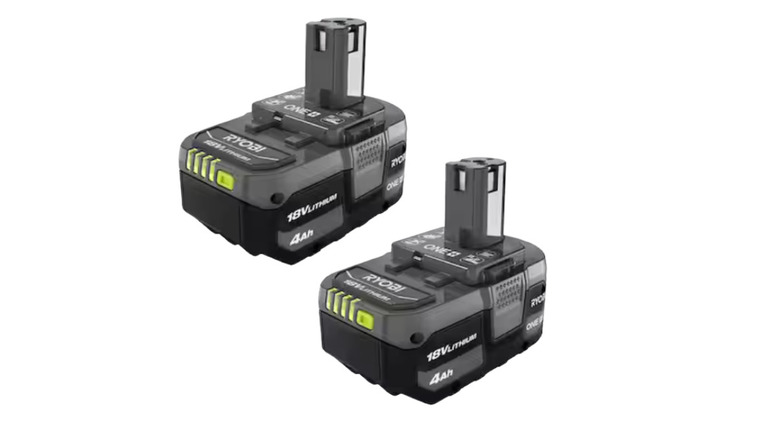
If you are looking for the most affordable national power tool battery brands for homeowners, Ryobi is almost always the starting point. Their 18V ONE+ system supports more than 300 different tools, making it the largest single-battery platform specifically targeted at DIYers. The real value is found in their frequent promotions. It is common to find a 2-pack of 4.0 Ah batteries for $119, a price point that competitors struggle to match.
When conducting a budget power tool battery comparison, Ryobi stands out because they have refused to change their battery connection since the mid-90s. This means a modern lithium-ion battery will still power a blue Ryobi drill from twenty years ago. This backward compatibility is a huge part of the brand's long-term value. While professional brands like Milwaukee or DeWalt use high-impact glass-filled nylon for their battery housings, Ryobi uses standard ABS plastics. While this makes them less resistant to a 10-foot drop onto concrete, they are more than durable enough for typical home maintenance projects.
The Ryobi vs Craftsman battery cost is a common debate in the aisles of big-box retailers. While Craftsman often matches Ryobi on the price of individual kits, Ryobi's sheer volume of specialized tools—from lawnmowers to glue guns and fans—gives it the edge. For the homeowner who wants to expand their collection without breaking the bank, sticking with a single, versatile battery platform like the ONE+ system is the most effective way to minimize the need for multiple chargers and incompatible spares.
Why Ryobi Wins on Value
- Tool Diversity: Over 300 products use the same battery.
- Aggressive Pricing: Frequent "Buy One Get One" (BOGO) deals.
- Availability: Exclusively at Home Depot and widely available online.
- Technology Sharing: Benefits from the R&D of its sister company, Milwaukee.
The Middle Ground: Ridgid & Craftsman
While Ryobi owns the entry-level space, brands like Ridgid and Craftsman offer a prosumer middle ground. Ridgid is particularly noteworthy for its Lifetime Service Agreement (LSA). If you register your tools and batteries within 90 days of purchase, Ridgid will replace your worn-out batteries for free, for life. This unique offer drastically changes the math on charge cycle longevity. Even if the initial purchase price is higher than Ryobi, the cost over ten years can be zero if you utilize the LSA.
Craftsman, now owned by Stanley Black & Decker, has seen a resurgence at Lowe's. The Ryobi vs Craftsman battery cost comparison for DIYers shows that Craftsman often wins on ergonomic design and availability for those who don't live near a Home Depot. Craftsman batteries are part of the V20 system, which utilizes high-quality lithium-ion technology similar to what you would find in a DeWalt battery, though with a different physical connection to prevent cross-compatibility.
When choosing between these two, consider the best 18V battery platforms for home maintenance projects based on your specific needs. If you want the security of never buying another battery, Ridgid is the winner. If you prefer the comfort and tradition of a brand like Craftsman, you will still find a much better value than if you were to jump into a purely professional platform like Makita.
Strategic Savings: The Open-Box and Bundle Hack
Smart homeowners know that the retail price on the shelf is just a suggestion. According to consumer reports, homeowners can save approximately 30 percent on the purchase price of power tools by consolidating within a single brand's battery platform and purchasing tools without additional batteries and chargers. These are often called bare tools.
Pro Tip: The Open-Box Strategy One of the best-kept secrets in the tool world is buying open-box power tool batteries for better value. Many customers buy a large combo kit just for one specific tool and return the batteries and chargers to secondary liquidators. Sites like eBay or specialized tool outlets often sell these "new-pull" batteries for 40-50% off the retail price. Just ensure the seller has a high rating to avoid counterfeit cells.
Another major strategy is purchasing combo kit bundles. During Father's Day or holiday sales, a five-tool kit might cost $299. If you were to buy those tools and batteries individually, the cost could easily exceed $600. By buying in bulk, the effective price per battery often drops below $50, making them significantly cheaper than buying a single replacement later. This is often the most efficient way to start your cordless tool ecosystem.
Maintenance: Extending the Life of Budget Batteries
No matter how little you paid for your battery, the goal is to make it last as long as possible. Maintaining budget power tool batteries to increase lifespan requires a basic understanding of how lithium-ion cells react to the environment. Unlike old nickel-cadmium batteries, modern lithium-ion technology does not have a "memory," but it is very sensitive to temperature and voltage levels.
To maximize your investment, follow these maintenance steps:
- Avoid Deep Discharges: Do not run your battery until the tool completely stops. If you feel the power fading, swap it out for a fresh one. Lithium-ion batteries can be damaged if the voltage drops too low.
- Climate Control is Key: Never store your batteries in a hot garage or a freezing shed. Extreme heat is the primary enemy of lithium-ion technology, as it degrades the internal chemistry and reduces charge cycle longevity.
- Use the Right Charger: While aftermarket replacements are tempting, stick with the original brand's battery charger compatibility to ensure the battery management system (BMS) communicates correctly during the charge cycle.
- Store at Partial Charge: If you aren't going to use your tools for several months, store the batteries at about 50-70% charge rather than leaving them completely full or completely empty.
By following these simple rules, even the most affordable batteries can last for five years or more of regular home use.
FAQ
Are aftermarket power tool batteries worth it?
While aftermarket power tool batteries are often significantly cheaper than brand-name versions, they come with risks. These batteries frequently lack the sophisticated battery management system found in original equipment, which can lead to overheating or even fire. Additionally, using a non-branded battery may void your tool's warranty. For most DIYers, the peace of mind of a genuine battery is worth the extra $20.
What is the best amp hour rating for value?
For the average homeowner, the 4.0 Ah (amp-hour) battery is the sweet spot for value. It offers a balance of weight and runtime that works well for both drills and saws. While 2.0 Ah batteries are lighter and cheaper, they often lack the power for demanding tasks, and the high-capacity 6.0 Ah or 9.0 Ah batteries are usually too expensive and heavy for occasional home maintenance.
Is it cheaper to buy power tool batteries in a pack?
Yes, it is almost always cheaper to buy batteries in a 2-pack or as part of a kit. Retailers often price a single 4.0 Ah battery at $99, while a 2-pack might be priced at $129. By purchasing the multi-pack, you effectively get the second battery for $30, which is much better for your long-term cordless tool ecosystem budget.
How long do most cordless tool batteries last?
Most lithium-ion power tool batteries are rated for 300 to 500 full charge cycles. For a typical homeowner who uses their tools every other weekend, this translates to roughly 3 to 6 years of service. However, professional users who charge their batteries daily may see them begin to degrade within 18 to 24 months.
How can I make my power tool batteries last longer?
The best way to increase battery life is to keep them out of extreme temperatures and avoid letting them sit at 0% charge for long periods. If you finish a project, wait about 15 minutes for the battery to cool down before putting it on the charger. Heat generated during use combined with heat from the charging process is a major cause of early battery failure.
The Final Verdict
Navigating the world of cordless tools doesn't have to be a drain on your bank account. By choosing a single platform and sticking with it, you can build a professional-quality tool kit over time. For the vast majority of people, Ryobi provides the best value power tool batteries due to the sheer size of their platform and their commitment to backward compatibility.
If you are a more frequent DIYer who tackles heavy renovations, stepping up to Ridgid for the Lifetime Service Agreement provides the best long-term return on investment. Regardless of the brand you choose, remember that the "value" is in the work you get done. Choose the platform that has the tools you need today and the ones you might need five years from now.