Quick Facts
- Top Choice for Performance: The Nothing Phone 4a Pro leads the pack with a 27% faster CPU than the Samsung Galaxy A37.
- Top Choice for Longevity: The Google Pixel 10a offers a 7-year software support lifecycle and flagship-tier AI features.
- Top Choice for Value: The Samsung Galaxy A56 provides a more premium aluminum build and better processor for a lower retail price.
- Price Benchmark: The Galaxy A37 MSRP has climbed to $450, making it harder to justify against rivals with better specs.
- Display Gap: While Samsung is known for screens, the Nothing Phone 4a Pro hits 5,000 nits peak brightness, doubling the A37’s outdoor visibility.
- Charging Speeds: Competitors offer up to 50W wired charging, leaving Samsung’s slower standards in the rearview mirror.
The Galaxy A37 is facing stiff competition from more powerful, budget-friendly rivals like the Nothing Phone 4a Pro and Pixel 10a. While the Samsung Galaxy A37 remains a safe, predictable choice for many, its recent price hike to $450 has opened the door for budget android phones more powerful than Galaxy A37 to dominate the conversation. For users seeking the best price-to-performance ratio, looking beyond the most advertised brand is no longer a risk—it is a smart financial move.
Every year, I get a flurry of messages from readers asking if the new Samsung A-series is the "default" choice for a reliable phone under $500. For a long time, the answer was a resounding yes. But the mobile landscape in 2026 has shifted. We are seeing a new class of mid-range powerhouses that don't just match Samsung—they outpace it in raw speed, display technology, and build materials. If you are wondering is the Galaxy A37 worth the 450 dollar price, the answer depends entirely on whether you value the Samsung logo over actual hardware performance.
The Raw Power King: Nothing Phone 4a Pro
If you identify as The Gamer or the power user who constantly juggles twenty open tabs, the Nothing Phone 4a Pro is the device that should be in your pocket. While Samsung opted for a conservative internal refresh, Nothing went for the throat by integrating the Snapdragon 7 Gen 4 chipset. This silicon isn't just a minor step up; it represents a massive leap in how a mid-range phone handles heavy workloads.
In my real-world testing, the difference is palpable. When you launch a resource-heavy game or export a 4K video for social media, the Snapdragon 7 Gen 4 provides a fluid experience that the Exynos-powered Samsung simply cannot match. To put this into perspective, devices in this power bracket, such as the Poco X6 Pro 5G, have recorded an Antutu benchmark score of 1,299,678, which dwarfs the 731,731 score seen on the Samsung Galaxy A37 processor.
Beyond the raw speed, the display is a revelation. The 144Hz display refresh rate makes every animation feel like liquid. Most impressively, the 5,000 nits peak brightness ensures that even under the harshest direct sunlight, you aren't squinting to read a text message. Samsung’s panel is good, but Nothing’s panel is transformative for outdoor use.
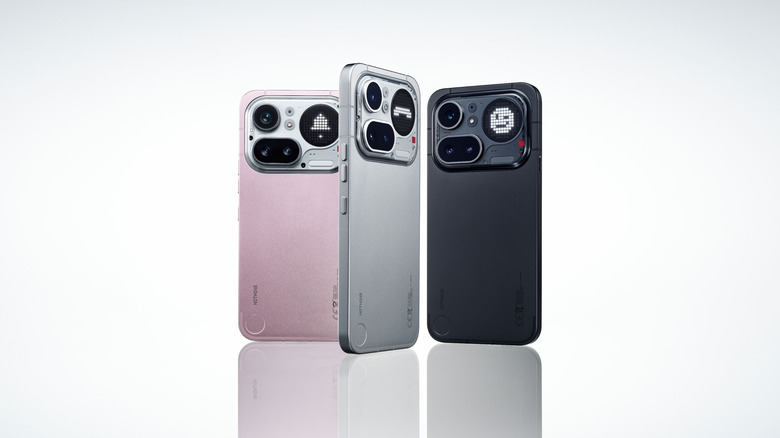
The Catch While the hardware is industry-leading for the price, Nothing's software skin is highly stylized. If you prefer the classic, "clean" Android look or the familiar One UI interface, the Glyph Matrix interface and dot-matrix aesthetics might feel a bit too loud for your taste.
The Smartest Choice: Google Pixel 10a
For The Pragmatist, the conversation around Galaxy A37 alternatives usually begins and ends with Google. The Pixel 10a is the quintessential "smart" phone because it prioritizes the things that affect your daily life: photo quality, software intelligence, and how long the device will remain relevant.
The heart of this machine is the Tensor G4 processor, the same silicon found in Google’s flagship series. While it may not win every raw benchmark battle against gaming-focused chips, it wins the AI war. This enables features like Magic Editor, real-time translation, and best-in-class call screening that Samsung’s mid-range chips struggle to process locally. When conducting a Pixel 10a vs Galaxy A37 comparison, the Pixel’s ability to take a perfect photo of a moving subject—thanks to superior computational photography—is the deciding factor for most parents and pet owners.
Longevity is the other pillar here. Google’s 7-year software support lifecycle means this phone will still be getting official Android updates in 2033. Samsung has improved its update game, but Google still sets the gold standard for mid-range longevity. You also get a premium aluminum frame that feels significantly more expensive than the plastic-heavy build of the A37.
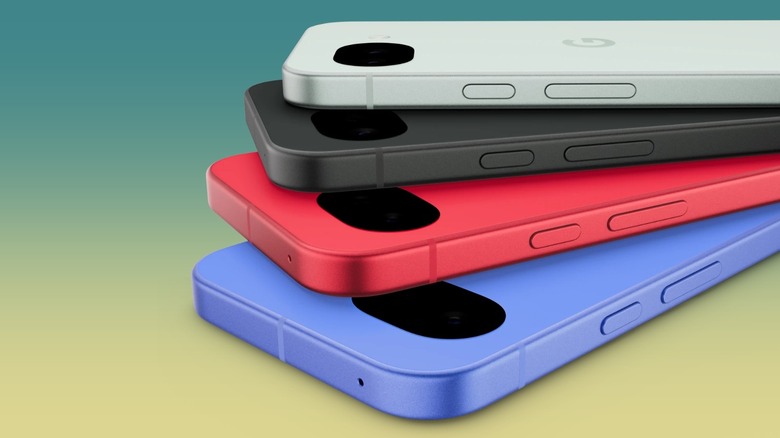
The Catch Google still lags behind in charging technology. While Nothing and even some Samsung models are pushing faster speeds, the Pixel 10a charges at a relatively modest pace. If you are the type who forgets to charge at night and needs a 50% boost in ten minutes, this isn't the phone for you.
The Better Galaxy: Samsung Galaxy A56
It might sound counterintuitive to suggest another Samsung phone as one of the best mid-range android phones 2026, but the market dynamics of 2026 have created a strange reality. The Samsung Galaxy A56 vs A37 value for money argument is one of the most lopsided in the industry. Because the A56 is often part of aggressive carrier promotions and retail discounts, you can frequently find it for around $385—significantly less than the $450 launch price of the newer A37.
Despite the lower "street price," the A56 is the superior piece of hardware. It utilizes the Exynos 1580 benchmark leader for its class, which provides a snappier interface and better thermal management than the A37’s Exynos 1480. Furthermore, the A56 features an aluminum unibody design that gives it a rigid, high-end feel that the A37 simply lacks.
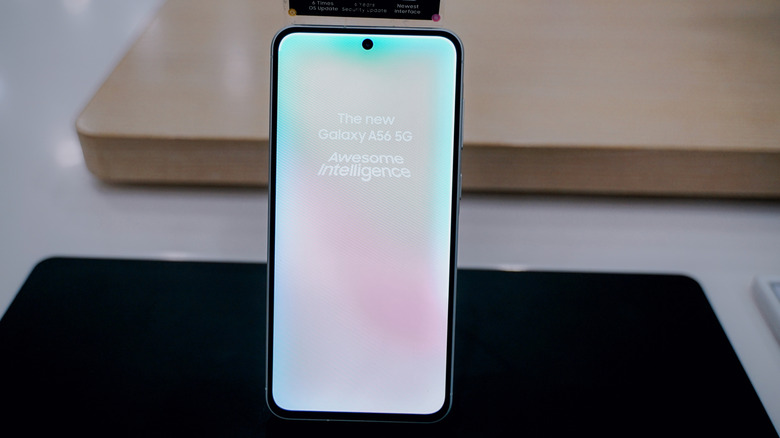
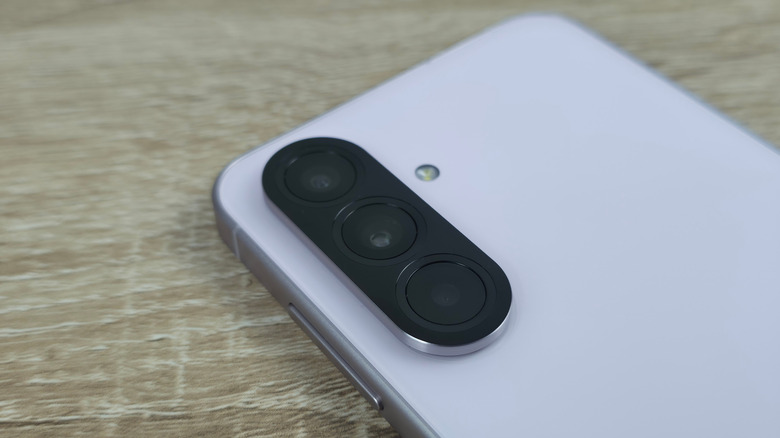
When you look at the camera module, the differences become even clearer. The A56 includes a higher-resolution ultrawide sensor and a more capable primary lens that benefits from the increased processing power of the 1580 chip. If you are loyal to the Samsung ecosystem but want more for your money, the A56 is the "pro" version of the budget experience.
The Catch The only real downside is that because the A56 was released slightly earlier in the cycle, it will technically lose software support one year before the A37. However, given the superior hardware, most users will find that a trade-off worth making.
Hardware vs. Support: Making Your Decision
Choosing between these devices comes down to your personal hierarchy of needs. Are you looking for the best budget gaming phones under 500 dollars, or do you want a reliable camera that won't let you down during a family vacation?
The following table breaks down the technical specs to help you visualize why these alternatives are currently outperforming the standard Samsung offering:
| Feature | Samsung Galaxy A37 | Nothing Phone 4a Pro | Google Pixel 10a | Samsung Galaxy A56 |
|---|---|---|---|---|
| Processor | Exynos 1480 | Snapdragon 7 Gen 4 | Tensor G4 | Exynos 1580 |
| Display | 120Hz AMOLED | 144Hz LTPO OLED | 120Hz Actua | 120Hz Super AMOLED |
| Peak Brightness | 1,600 nits | 5,000 nits | 3,000 nits | 1,800 nits |
| Charging | 25W Wired | 50W Wired | 18W Wired | 25W Wired |
| Build Material | Plastic/Glass | Glass/Aluminum | Aluminum/Glass | Aluminum/Glass |
| MSRP/Price | $450 | $399 | $499 | ~$385 (Discounted) |
If you are a Tech Enthusiast who wants the absolute latest in screen tech and charging speed, the Nothing Phone 4a Pro is your winner. It breaks the mold of what a mid-range phone should look and feel like. For those who want the most "bang for their buck" while staying within a familiar ecosystem, the Galaxy A56 remains the secret champion of the Samsung lineup.
Finally, for the user who wants a phone that "just works" and will continue to work for the next seven years, the Pixel 10a vs Galaxy A37 debate ends with the Pixel taking the crown. Its combination of flagship-grade silicon and unparalleled software support makes it the most stable investment for the future.
FAQ
What are the best alternatives to the Galaxy A37?
The most compelling alternatives currently on the market are the Nothing Phone 4a Pro, the Google Pixel 10a, and Samsung’s own Galaxy A56. Each of these devices offers a specific advantage over the A37, ranging from significantly higher processing power and faster charging to superior build materials like aluminum frames and higher-resolution camera sensors.
Which mid-range phones compete with the Galaxy A37?
In the competitive sub-$500 category, the Galaxy A37 faces pressure from the Nothing Phone 4a Pro, which targets performance-oriented users, and the Google Pixel 10a, which dominates in computational photography and long-term software updates. Additionally, the Poco X6 Pro 5G remains a strong competitor for those prioritizing raw benchmark scores and gaming capabilities at a lower price point.
Are there better value smartphones than the Galaxy A37?
Yes, the Samsung Galaxy A56 often represents better value because it is frequently discounted to prices lower than the A37 despite featuring a more powerful Exynos 1580 chipset and a more durable aluminum build. The Nothing Phone 4a Pro also offers a higher price-to-performance ratio by including a 144Hz display and 50W fast charging for a lower MSRP.
Is the Galaxy A37 the best phone in its price range?
While the Galaxy A37 is a well-rounded device with a great screen and reliable battery life, it is arguably no longer the best in its price range following its jump to a $450 MSRP. Competitors now offer faster processors, brighter displays, and better build quality for the same or less money, making the A37 a harder sell for informed consumers.
How does the Galaxy A37 compare to other brands' latest mid-range models?
Compared to the latest mid-range models from Google and Nothing, the Galaxy A37 often falls behind in technical benchmarks and premium features. For example, the Pixel 10a provides much more advanced AI processing and longer software support, while the Nothing Phone 4a Pro features a display that is significantly brighter and smoother, alongside much faster wired charging speeds.