Quick Facts
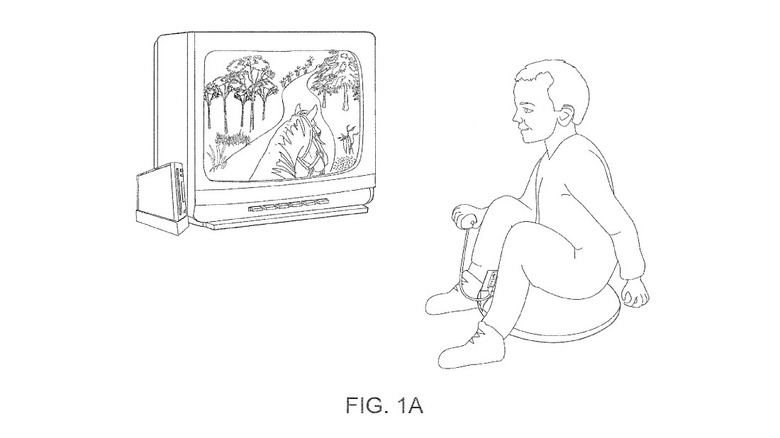
- Most Bizarre: The inflatable horseback riding simulator designed for the Wii (Patent 8277327).
- Highest Standard: The Wii Vitality Sensor was canceled in 2013 because it only worked for 90% of users, missing Nintendo’s 99.9% internal reliability threshold.
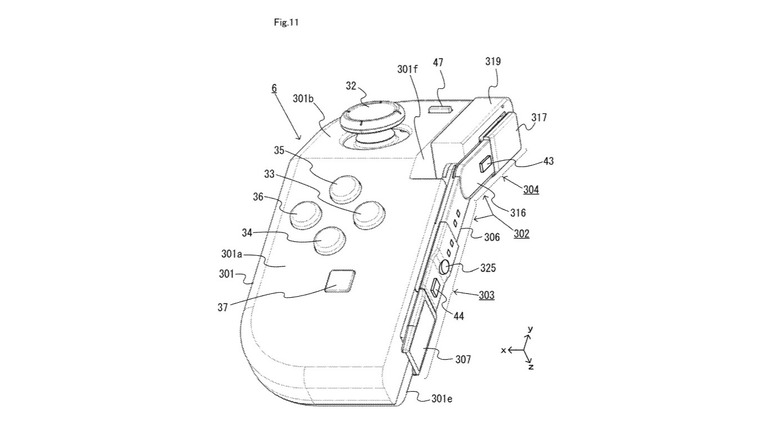
- Modern Parallel: A 2020 hinged Joy-Con patent explored ergonomic solutions for the Nintendo Switch that mimic third-party controller grips.
- The Lost Console: Project Atlantis was a vertical 32-bit handheld prototype that existed years before the Game Boy Advance.
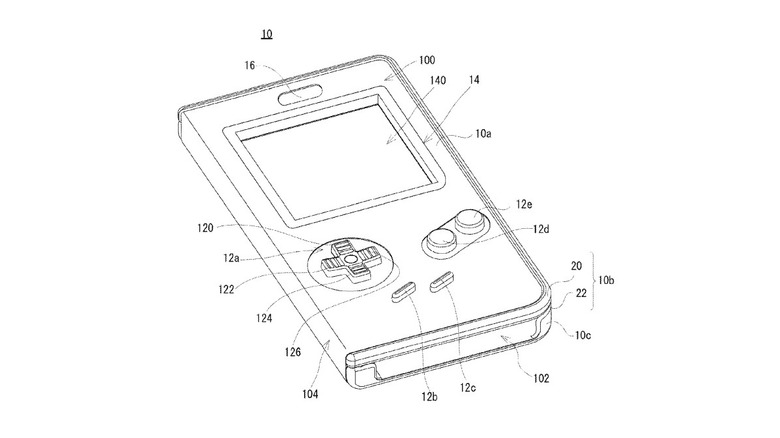
- Mobile Innovation: Nintendo patented a physical smartphone case that uses conductive pads to turn a touchscreen into a tactile Game Boy.
- Health Focus: The Quality of Life initiative included a bedside sleep tracker using Doppler sensors and a ceiling projector.
Nintendo has a long history of filing strange Nintendo patents for hardware that never sees the light of day. From biometric sensors to inflatable horse saddles, these unreleased Nintendo hardware concepts provide a rare look into the company's experimental industrial design prototypes and R&D history.
Whether you are a hardware enthusiast or a casual fan, looking at what Nintendo almost built is like peering into a parallel dimension of gaming. The company follows a philosophy often called "Lateral Thinking with Withered Technology"—using mature, cheap tech in radical new ways. Sometimes that leads to the Wii; other times, it leads to a giant plastic horse in your living room.
1. The Bedside Projector: Nintendo’s Sleep Tracker (Patent 10987042)
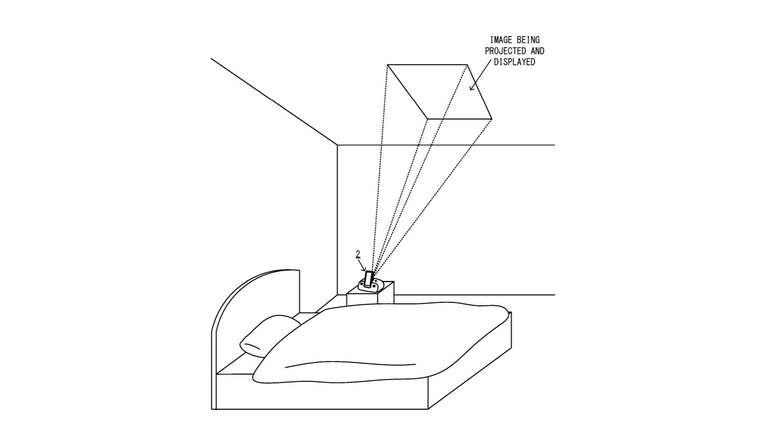
Back in 2014, former Nintendo President Satoru Iwata announced a non-wearable Quality of Life (QOL) initiative. The standout piece of tech from this era was a bedside sleep-tracking device detailed in USPTO filings like patent 10987042. Unlike an Apple Watch or an Oura Ring, you didn't have to wear anything. Instead, the device sat on your nightstand and used a Doppler sensor to monitor your respiration and body movements while you slept.
The most "Nintendo" part of this device was how it communicated with the user. Instead of just sending a notification to your phone, it featured a built-in projector. When you woke up, the device would project your sleep data, health scores, and even mini-games directly onto your ceiling. This gamification of health aimed to make the act of waking up a rewarding experience rather than a chore.
When comparing the nintendo sleep tracker patent vs best current sleep tech, it is clear that Nintendo was ahead of the curve regarding "frictionless" monitoring. Today, devices like the Google Nest Hub use similar radar technology, but they lack that whimsical projection element. While the physical device was abandoned, its spirit lives on in Pokemon Sleep, which uses your smartphone’s accelerometer to track rest patterns.
Cause of Death
Project Name: Quality of Life (QOL) sensor Reason for Cancellation: Following Iwata’s passing, Nintendo shifted focus entirely toward the development of the Nintendo Switch, effectively shelving the QOL department to consolidate resources.
2. The Inflatable Horseback Saddle (Patent 8277327)
If you thought the Wii Balance Board was a strange piece of forgotten Nintendo peripherals, wait until you see the inflatable saddle. Patent 8277327 describes a large, air-filled cushion shaped roughly like a seat. The user would place a Wii Remote into a dedicated slot on the saddle, then sit on it and bounce to simulate the movement of riding an animal.
The patent wasn't just limited to horses. Nintendo’s industrial design prototypes for this device suggested it could be used to simulate riding dolphins, elephants, and even mythical creatures like dragons or unicorns. The internal sensors in the Wii Remote would detect the pitch and roll of your body, translating those movements into on-screen action.
While it sounds hilarious now, the motion-sensing technology behind it was quite sophisticated for its time. However, the sheer physical scale of a giant inflatable horse in the average living room made it a hard sell. When searching for practical uses for old nintendo fitness peripherals today, most collectors find that even the smaller Wii peripherals take up too much closet space. An inflatable saddle would have been a logistical nightmare for retailers and parents alike.
Cause of Death
Project Name: Wii Horseback Riding Peripheral Reason for Cancellation: Extreme bulkiness and a very niche market appeal. It was deemed impractical for home storage and too expensive to ship.
3. The Hinged Joy-Con: Ergonomics Overhauls (Patent 10632368)
Even the most successful consoles have hardware iterations that never make it to market. In 2020, a patent surfaced showing a redesigned Joy-Con with a hinge at the top. This would allow the controller to bend backward, creating a more ergonomic angle for your wrists when playing in handheld mode.
This design was likely a response to the "flat" nature of the Switch, which many players find uncomfortable during long sessions. By comparing nintendo switch joy-con alternatives to hinged patents, we can see how third-party companies like Hori eventually filled this gap with bulkier, more comfortable grips. Nintendo’s own ergonomic experimentation likely stalled due to the complexity of the hinge mechanism. A moving part on a controller already prone to "drift" would have introduced even more points of failure.
| Feature | Standard Joy-Con | Hinged Patent Design |
|---|---|---|
| Grip Angle | Fixed (Flat) | Adjustable (Hinged) |
| Portability | High | Medium (Thicker profile) |
| Complexity | Standard Rail System | Rail System + Mechanical Hinge |
| Target User | General Audience | Hardcore/Handheld Enthusiasts |
Nintendo console design concepts often prioritize durability, and a hinge that could snap under pressure probably didn't pass their rigorous stress tests.
Cause of Death
Project Name: Flexible Joy-Con Prototype Reason for Cancellation: Manufacturing costs and concerns over long-term mechanical durability. The hinge created a structural weak point that didn't align with Nintendo's "kid-proof" design standards.
4. Project Atlantis: The 'Lost' 32-Bit Handheld
Before the Game Boy Advance redefined the portable market, Nintendo was working on a much more powerful beast known internally as Project Atlantis. Throughout the mid-90s, the company was identifying prototype nintendo console design concepts that could bridge the gap between the 8-bit Game Boy and the 64-bit home console era.
Project Atlantis was a vertical handheld with a large color screen and a 32-bit RISC processor. Concept blueprints discovered in gaming history archives suggest it would have been significantly more powerful than the Game Boy Color, potentially rivaling the power of the Sega Saturn in a portable form factor.
So why did it disappear? Technical limitations of the 90s meant the device was power-hungry and bulky. It had a terrible battery life and was physically much larger than the pocket-friendly Game Boy. Nintendo eventually pivoted to the Game Boy Advance, which offered a better balance of price, size, and performance. For those interested in how to find unreleased nintendo hardware patents like this, digging through the late-90s USPTO filings reveals a treasure trove of "what if" scenarios for the Game Boy brand.
Cause of Death
Project Name: Project Atlantis Reason for Cancellation: Excessive battery consumption and a bulky form factor. It was scrapped in favor of the more efficient ARM-based architecture of the Game Boy Advance.
5. The Tactile Game Boy Smartphone Case
As Nintendo began its slow transition into the mobile market, they filed a fascinating patent for a smartphone case that acted as a physical controller. This wasn't a Bluetooth gamepad like a Backbone or a Razer Kishi. Instead, it was a folding case with a window for the screen and conductive pads on the underside of physical buttons.
When you pressed the "A" button on the case, a conductive element would touch a specific spot on the smartphone's capacitive screen, registering a tap. This would allow players to play classic Game Boy titles with the tactile feel of real buttons without needing any electronic connection to the phone.
While we’ve seen plenty of nintendo smartphone game boy cases vs modern mobile controllers since then, Nintendo's official version remained unreleased. It was a clever piece of mobile gaming integration that would have turned any iPhone or Android device into a functional Game Boy. However, the sheer variety of smartphone sizes and screen layouts made a "one-size-fits-all" case nearly impossible to manufacture profitably.
Cause of Death
Project Name: Smart Device Controller Case Reason for Cancellation: Smartphone fragmentation. Creating a physical overlay that aligns perfectly with touch-buttons across hundreds of different phone models was a logistical impossibility.
FAQ
What are some of the weirdest Nintendo patents ever filed?
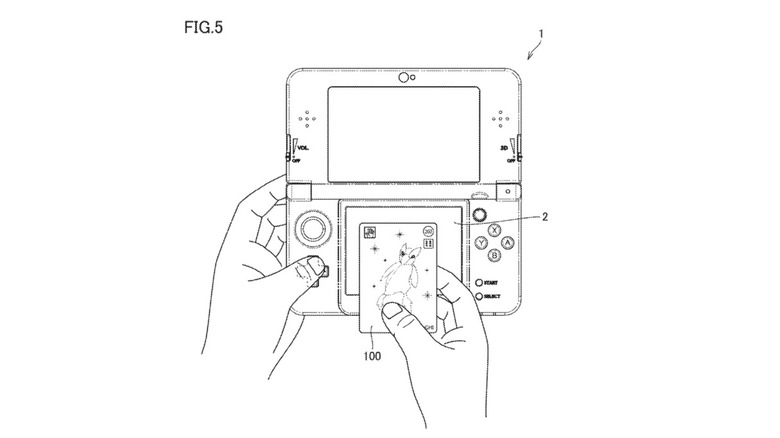
Beyond the inflatable saddle, Nintendo has patented things like a "breathalyzer" peripheral for the Wii, a dedicated remote-control car holder for the Wii Remote, and even electronic trading cards with embedded chips that could be read by a Game Boy. Their R&D history is filled with experiments in biometric sensors and unique input methods that never reached mass production.
Why does Nintendo file patents for products they never release?
Nintendo files patents primarily to protect their R&D history and intellectual property. Even if a product isn't ready for the market, the specific mechanical or software innovations within that product might be useful later. Filing a patent prevents competitors from using those same ideas. Many of these strange Nintendo patents are simply "stakes in the ground" for future technology.
What happened to the Nintendo Vitality Sensor project?
The Wii Vitality Sensor was a fingertip pulse oximeter shown at E3 2009. It was eventually canceled because it didn't meet Nintendo's strict quality standards. Internal testing showed it only functioned correctly for about 90% of the population, but Nintendo required a 99.9% success rate for a commercial launch to ensure every user had a consistent experience.
What was the purpose of the Nintendo inflatable horse saddle patent?
The inflatable horse saddle was designed to increase immersion in riding games for the Wii. By sitting on a physical cushion that contained the Wii Remote, players could use their body weight and balance to steer their mount. According to patent 8277327, it was intended to simulate everything from galloping on a horse to flying on a dragon.
How do Nintendo patents influence future gaming technology?
Even failed patents often leave a mark on future hardware. For example, the biometric sensors in the canceled Vitality Sensor and QOL sleep tracker paved the way for the sophisticated motion and IR sensors in the Switch Joy-Cons. Similarly, early experiments with vertical 32-bit handhelds helped Nintendo refine the ergonomics and power management seen in the Game Boy Advance and Nintendo DS.