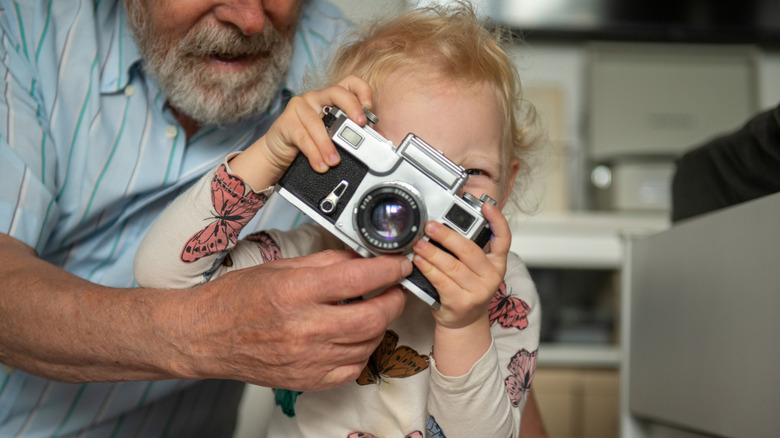
Our Top Picks
- The Best All-Rounder: Kodak Pixpro FZ55. A modern point-and-shoot with a nostalgic vibe and pocket-friendly design.
- The Mindful Choice: Camp Snap Camera. Screen-free, simple, and perfect for staying present while capturing memories.
- The Analog Entry: Kodak Ektar H35N. A half-frame film camera that doubles your shots and delivers beautiful film-like grain.
- The Professional Throwback: Used Nikon D700 or D90. Professional tactile controls and legendary color science for a fraction of the original price.
- The Rugged Explorer: OM System Tough TG-7. Built for adventures where your phone simply wouldn't survive.
The best cameras under 500 for hobbyists prioritize a tactile, fun experience over high-end technical specs. Options like the Kodak Pixpro and Camp Snap offer unique digital minimalism under 500 that smartphones can't replicate, helping you rediscover the joy of the click.
| Camera Model | Sensor Size | Fun Factor (1-10) | Main Benefit |
|---|---|---|---|
| Camp Snap | 1/4-inch CMOS | 9 | Screen-free digital minimalism |
| Kodak Ektar H35N | 35mm Half-Frame | 10 | Creative analog experience |
| Kodak Pixpro FZ55 | 1/2.3-inch CMOS | 7 | Ultra-pocketable everyday carry |
| Nikon D700 (Used) | Full Frame | 8 | Pro-grade tactile controls |
| OM Tough TG-7 | 1/2.3-inch BSI CMOS | 8 | Waterproof and rugged durability |
Why Your Phone Isn't Enough: The Case for Dedicated Gear
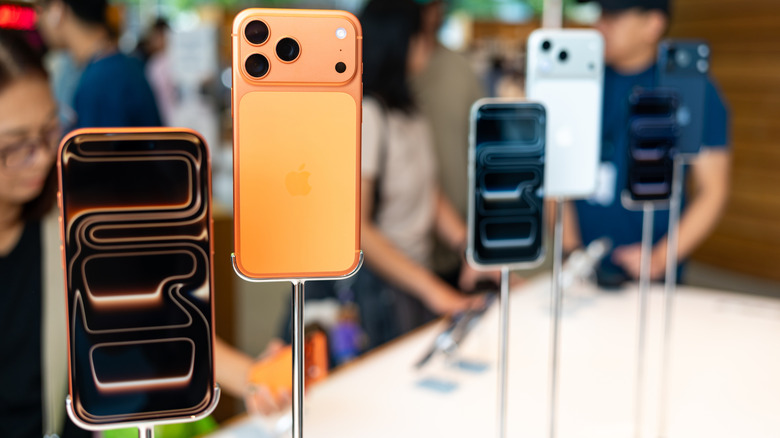
We have all been there. You are at a beautiful sunset or a lively dinner, and you pull out your smartphone. It is a glass slab, cold and clinical. You tap a screen, the AI processes the soul out of the image to make it technically perfect, and then—boom—a notification from your work email pops up. The moment is gone. This is smartphone fatigue, and it is exactly why fun digital cameras for hobbyists are making such a massive comeback.
When we talk about the best cameras under 500, we aren't chasing the highest megapixel counts or the fastest autofocus. We are chasing a feeling. We want the clicky mechanical feedback of a physical shutter button. We want the intentionality that comes with holding a dedicated device. There is a certain magic in the analog experience, even when it is delivered through a digital sensor. By removing the distractions of apps and notifications, these cameras allow for a more mindful photography practice.
Furthermore, the perfection of modern phone photos can be… well, boring. Many photographers are now seeking out lo-fi photography and vintage aesthetics. They want the imperfections, the nostalgic color science, and the way a dedicated sensor handles light. Whether it is the character of an old CCD sensor or the unique texture of film-like grain, these cameras offer a creative soul that a smartphone's computational photography simply can’t mimic.
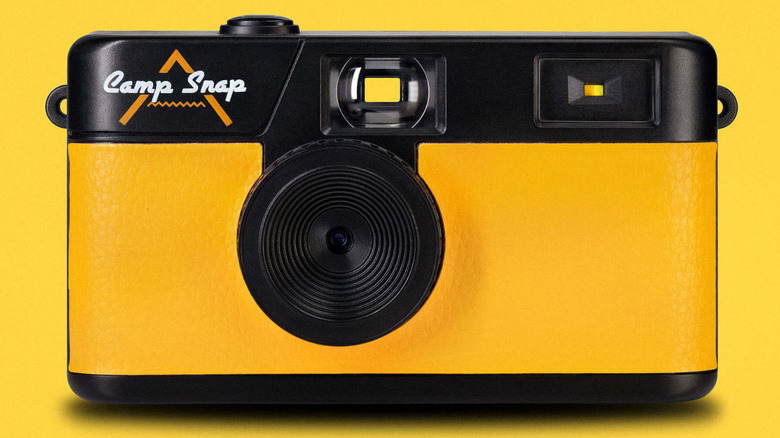
1. The Screen-Free Rebel: Camp Snap Camera
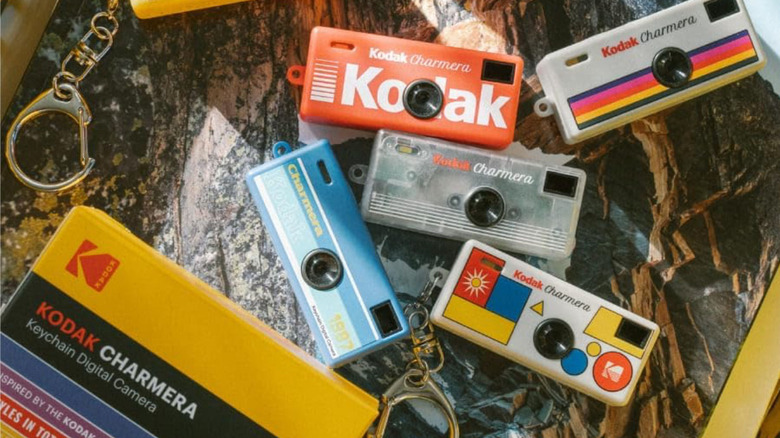
The Camp Snap is a breath of fresh air in an over-complicated world. It looks like a vintage toy, but it serves a very modern purpose: helping you put the phone away. With no screen on the back, you are forced to trust your eye and stay in the moment. It is the ultimate tool for screen-free digital cameras for mindful photography.
The beauty of this camera lies in its creative limitations. There are no menus to navigate and no instant playback to obsess over. You just point, click, and wait until you get home to see your photos on a computer. This delayed gratification brings back the excitement of waiting for a roll of film to be developed. The images themselves have a lovely, warm, nostalgic color science that feels like a memory rather than a high-definition scan of reality. At around $70, it is an absolute steal for anyone wanting to unplug.
Why We Love It
- Forces you to be present without the distraction of a rear LCD.
- Incredible battery life that lasts for days of shooting.
- Hard-wearing plastic build that you aren't afraid to toss in a bag.
- Simulates the feeling of shooting film without the recurring cost.
What to Watch Out For
- Image quality is intentionally lo-fi, so don't expect pro-level sharpness.
- Fixed focal length means you have to use your feet to zoom.
2. The Film Aesthetic: Kodak Ektar H35N
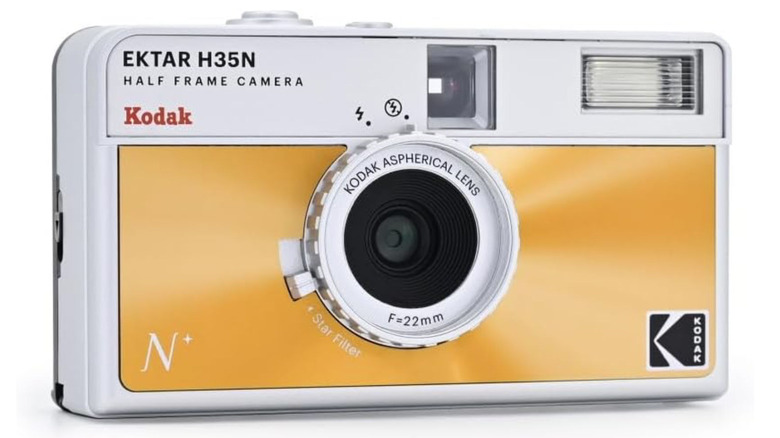
If you want the true analog experience without breaking the bank, the Kodak Ektar H35N is a brilliant choice. This is a half-frame film camera, which means it takes two pictures on a single frame of 35mm film. On a standard 36-exposure roll, you get a whopping 72 shots. In an era where film prices are rising, this makes it one of the most cost-effective film simulation cameras for beginners.
The "N" in the name stands for New, and this version adds a built-in star filter and a coated glass lens element for sharper images compared to its predecessor. It is incredibly lightweight and looks stunning with its vintage aesthetics. The joy of half-frame photography is the ability to create diptychs—storytelling pairs of images that appear side-by-side. It encourages a different way of seeing the world, focusing on sequences and relationships between subjects.
Why We Love It
- Doubles the value of every roll of film you buy.
- Built-in star filter adds a fun, retro flare to highlights.
- Requires zero battery to operate (except for the flash).
- Beautifully designed body that feels like a fashion accessory.
What to Watch Out For
- Film and development costs still add up over time.
- The plastic lens has a lot of character, which some might call "blur."
3. The Pocket Powerhouse: Kodak Pixpro FZ55
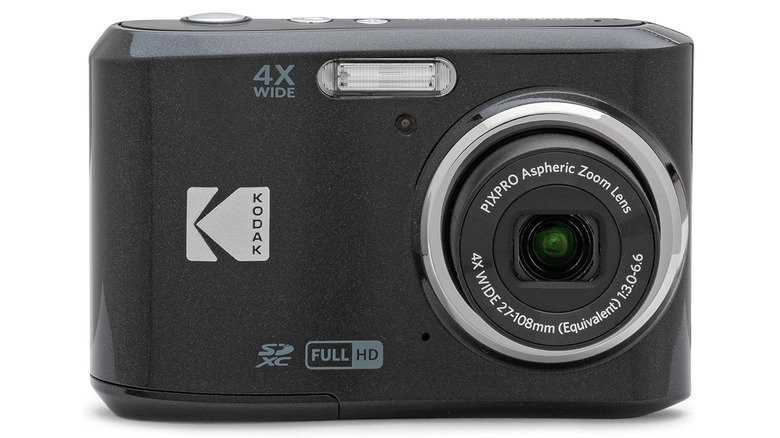
For those who want modern convenience with a hint of retro charm, the Kodak Pixpro FZ55 is one of the best pocketable cameras for fun daily photography. While many high-end compacts have become bloated and expensive, the FZ55 remains true to the spirit of affordable point and shoot cameras. It is slim enough to fit in a shirt pocket, making it a perfect everyday carry.
Despite its modern CMOS sensor, the FZ55 produces images that remind me of the early digital era. The colors are punchy, and there is a certain "honest" look to the files that feels less clinical than a modern iPhone. It is incredibly simple to use—just turn it on and start snapping. For travelers, it is one of the top compact cameras for travel under 500 dollars because it is so unobtrusive. You can take it into places where a "pro" camera might feel out of place and capture candid snapshots that feel authentic.
Why We Love It
- Extremely thin and lightweight design.
- Rechargeable battery via USB, making it great for travel.
- Easy-to-use menu system for those who want a bit of control.
- Delivers that trendy "vintage digital" look that is all over social media.
What to Watch Out For
- Low light performance isn't great due to the small sensor.
- Build quality is lightweight plastic, so handle with some care.
4. The Vintage Pro: Used Nikon D700 or D90
Sometimes, the best way to find a fun camera under 500 is to look backward. The used market is a goldmine for cheap retro style digital cameras for beginners. Ten or fifteen years ago, cameras like the Nikon D90 or the full-frame D700 were the tools of professionals. Today, you can find them for a fraction of their original cost.
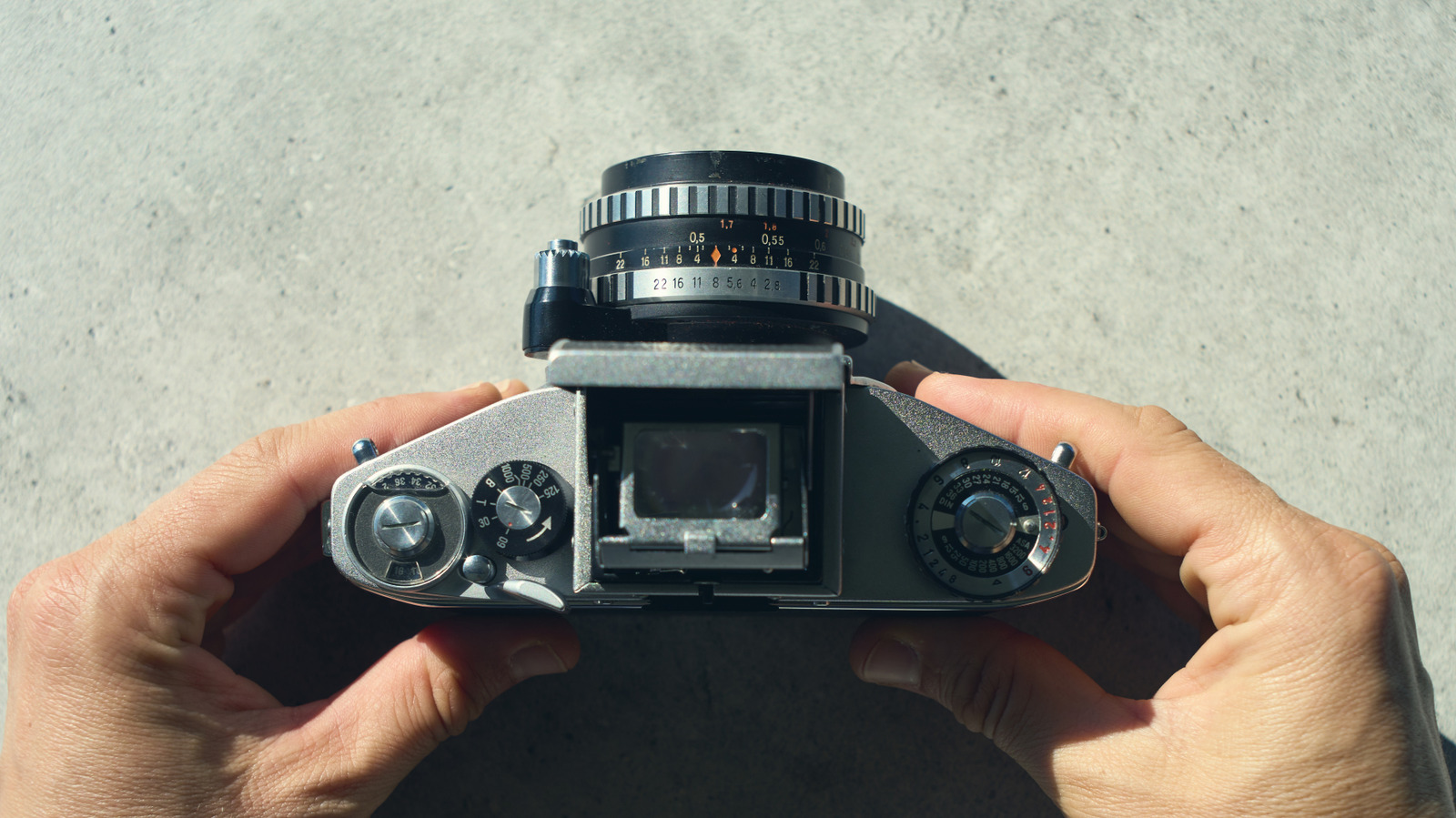
The D700, in particular, is legendary for its 12-megapixel sensor and incredible tactile controls. Every major setting has a physical dial or button. This provides a deep connection to the mechanics of photography. Unlike mirrorless cameras with their electronic viewfinders, these DSLRs use an optical pentaprism. Looking through the glass to see the real world is a joy that is hard to describe. These cameras aren't just tools; they are experiences. If you want a camera with "soul" and professional build quality, the used market is the way to go.
The market for these older devices remains robust. For context, as of April 2025, Fujifilm reported a cumulative total of 100 million Instax devices sold worldwide since the instant photography product line was first introduced in 1998. This shows a massive, sustained global appetite for tactile, physical photography that transcends the digital-only world.
Why We Love It
- Professional-grade build quality that can survive a drop.
- Physical dials for shutter speed, aperture, and ISO.
- Access to a huge library of affordable vintage lenses.
- The optical viewfinder provides a direct, lag-free connection to the scene.
What to Watch Out For
- These cameras are much heavier and bulkier than modern options.
- Buying used requires checking the shutter count and condition carefully.
5. The Adventure Companion: OM System Tough TG-7
Photography should be about exploration, but we often baby our equipment. The OM System Tough TG-7 is the antidote to that. It is waterproof, shockproof, crushproof, and freezeproof. It is built for the places where you wouldn't dare take your phone—into the ocean, down a muddy trail, or up a snowy mountain.
This is one of the best digital cameras for hobbyists under 500 because it removes the fear of breaking things. It has a fantastic macro mode that allows you to get incredibly close to subjects, revealing a tiny world that most cameras can't see. For those seeking digital cameras with film simulation under 500, the TG-7 includes various in-camera filters that can give your adventure shots a specific mood or style right out of the box.
Interestingly, even entry-level mirrorless cameras are getting more affordable. For example, the Canon EOS R100, launched in July 2023 with an initial body-only price of approximately $479.99, is the most affordable and lightweight mirrorless camera in the Canon EOS R series. However, for sheer rugged fun, the TG-7 remains a favorite for its "take-anywhere" attitude.
Why We Love It
- Virtually indestructible—the perfect camera for kids or rugged hikers.
- Incredible macro capabilities for nature photography.
- Bright f/2.0 lens helps in lower light or underwater.
- Dedicated underwater modes that correct color automatically.
What to Watch Out For
- The sensor is small, so it won't produce much "bokeh" (blurry backgrounds).
- Video features are good but not industry-leading.
FAQ
What is the best camera for a beginner under $500?
The best camera for a beginner is one that makes you want to go out and shoot. If you love the idea of film, the Kodak Ektar H35N is a fun, low-pressure entry point. If you want something digital that fits in your pocket, the Kodak Pixpro FZ55 is incredibly accessible. For those who want to learn the "real" mechanics of photography, a used DSLR like the Nikon D90 offers all the manual controls you need to grow your skills.
Is a $500 camera better than a premium smartphone camera?
It depends on how you define "better." In terms of raw processing power and instant sharing, a smartphone wins. However, a dedicated camera under $500 wins in ergonomics, intentionality, and creative soul. Cameras like the used Nikon D700 have much larger sensors that provide a depth and "look" that AI-simulated portrait modes can't quite match. More importantly, a dedicated camera provides a tactile experience that makes the process of photography more enjoyable.
What is the best compact camera for travel under $500?
The Kodak Pixpro FZ55 is a standout for portability, but the OM System Tough TG-7 is the better choice for active travelers. If you are going to the beach, skiing, or hiking, the TG-7's durability is priceless. It lets you capture moments in environments where you would be too worried about your smartphone getting wet or dirty.
Is it worth buying a used camera for under $500?
Absolutely. The used market is where you find the most "bang for your buck." You can often find professional-level gear from 10 years ago that still takes breathtaking photos today. Just ensure you buy from a reputable seller, check the shutter count, and verify that the sensor is clean and the buttons are responsive.
Choosing Your Fun: Which One is For You?
Choosing the right camera is about matching the tool to your personality. Are you The Artist who loves the texture of film and the surprise of development? Go for the Kodak Ektar H35N. Are you The Traveler who wants a simple way to document your days without a heavy bag? The Kodak Pixpro FZ55 is your best friend.
Maybe you are The Purist who misses the heavy click of a mirror and the feel of real glass. In that case, dive into the used market for a Nikon D700. Or perhaps you are The Mindful Explorer who just wants to see the world without a screen in the way; for you, the Camp Snap is a revelation.
Photography should never feel like a chore or a technical puzzle to solve. It should be a gateway to discovery. By choosing one of these best cameras under 500, you are not just buying a piece of tech—you are buying a new way to see and interact with the world around you.