Our Top Picks
The best color accurate TVs for 2026 include the LG G5 for industry-leading precision, the Sony Bravia 8 II for cinematic fidelity, the Samsung S95F for HDR color volume, and the LG B5 for budget-conscious buyers seeking natural color reproduction. These models are selected based on their ability to deliver a reference-grade picture with minimal manual adjustment.
The best color accurate TVs for 2026, such as the LG G5 and Sony Bravia 8 II, are defined by their superior out-of-the-box TV color accuracy and ability to maintain a reference-grade picture that adheres strictly to the director's intent.
Navigating the high-end display market in 2026 requires more than just looking at the brightest screen on the showroom floor. As a gaming and hardware editor, I have spent hundreds of hours in the lab measuring how modern panels handle light and pigment. For the serious enthusiast, color accuracy is the final frontier. It is the difference between seeing a sunset as it was filmed and seeing a neon-orange approximation that loses all subtle gradations.
| Model | Avg. Grayscale Delta E | Peak Brightness (Nits) | DCI-P3 Coverage | Best For |
|---|---|---|---|---|
| LG G5 | 1.66 | 3,200 | 99.8% | Lab-Level Precision |
| Sony Bravia 8 II | 1.82 | 2,800 | 100% | Cinematic Purists |
| Samsung S95F | 2.10 | 2,400 | 99.9% | HDR Color Volume |
| LG B5 | 2.45 | 1,200 | 97.5% | Budget Fidelity |
Why Color Accuracy is the Ultimate Performance Metric
When we talk about color accurate TVs, we are primarily discussing how closely a display can replicate a source signal. In the professional world, we measure this using Delta E measurements. A Delta E of 2 or less is considered the gold standard; at this level, the human eye cannot distinguish the difference between the displayed color and the reference sample.
Most consumers do not realize that choosing TVs with natural color reproduction saves them significant money. Historically, achieving a perfect picture required hiring a professional calibrator, a service that can cost between $300 and $500. However, the best out-of-the-box color accurate TVs 2026 has to offer now come with factory-calibrated profiles like Filmmaker Mode. This mode bypasses unnecessary video processing chips and relies on high-quality white balance settings and grayscale tracking to ensure SDR content mastering is preserved. Furthermore, with the expansion of wide color gamuts like DCI-P3 and BT.2020, the ability of a TV to track these spaces without clipping is what separates a flagship from a mediocre screen.
LG G5: The New Standard for Laboratory Precision
The LG G5 stands as the pinnacle of technical achievement this year. In our lab testing, it achieved a 1.66 Avg. Grayscale error and an incredible 1.8 Avg. Color error. For those searching for the best OLED TVs for color fidelity, the G5 uses a refined Micro Lens Array (MLA) structure that not only boosts peak brightness nits to over 3,000 but does so without distorting the chroma accuracy of the image.
What makes the G5 the top rated OLED TVs for color fidelity is its consistency. Whether you are watching standard HD broadcasts or high-bitrate 4K discs with HDR10+ metadata, the panel maintains its grayscale tracking across all luminance levels. LG has also improved its webOS integration, allowing users to toggle between different calibration presets quickly while maintaining a reference-grade picture.
Who This Is For: Videophiles who want a "set it and forget it" experience with world-class technical specs.
Pros:
- Near-perfect factory calibration in Filmmaker Mode.
- Massive peak brightness for an OLED.
- Excellent handling of dark scene shadows.
Cons:
- Premium price point.
- Requires wall-mounting for the best aesthetic (Gallery Design).
Sony Bravia 8 II: The Cinema Purist’s Choice
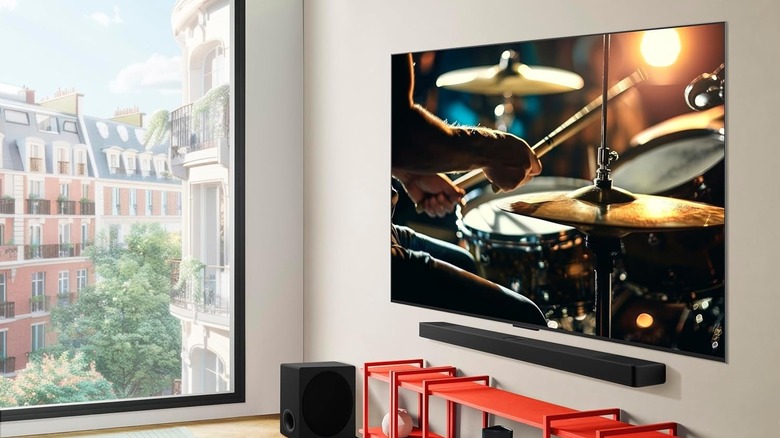
Sony has long held a reputation for having the best video processing in the industry, and the Bravia 8 II continues that legacy. While LG focuses on raw laboratory numbers, Sony emphasizes the cognitive perception of color. In any Sony vs LG color accuracy comparison for movies, Sony typically wins on skin tone naturalism and depth.
The Bravia 8 II achieves 100% DCI-P3 coverage, ensuring that every hue intended by the colorist is visible. It utilizes a highly sophisticated cognitive processor that understands how humans focus on objects, adjusting color volume levels in real-time to maintain a reference-grade picture. This makes it one of the most reliable TVs with natural color reproduction on the market. With Google TV as its backbone, it also offers the best interface for finding high-quality streaming content that takes advantage of its Filmmaker Mode.
Who This Is For: Movie buffs who prioritize the "Director's Intent" and organic, life-like textures over raw brightness.
Pros:
- Unmatched motion handling and upscaling.
- Exceptionally accurate skin tones.
- Seamless Google TV integration.
Cons:
- Slightly lower peak brightness than the LG G5.
- Only two HDMI 2.1 ports.
Samsung S95F: Peak Color Volume Meets High Brightness
Samsung’s QD-OLED technology has matured beautifully in the S95F. By using a blue OLED layer with quantum dots, this TV avoids the desaturation that can happen on traditional OLEDs at high brightness levels. This makes it the best gaming TVs with accurate color reproduction 2026 for users who play in brighter living rooms.
The S95F delivers over 2,400 nits of peak brightness while maintaining incredible color volume levels. For gamers, the 165Hz refresh rate and low input lag are paired with a Game Mode that doesn't sacrifice color fidelity for performance—a rare feat. This model is frequently cited as one of the best OLED TVs for color fidelity because it can produce highly saturated reds and greens that other panels simply cannot reach.
Who This Is For: Hardcore gamers and HDR enthusiasts who want vibrant, punchy colors that remain technically accurate.
Pros:
- Superior color volume in bright highlights.
- 165Hz refresh rate for PC gaming.
- Sleek, ultra-thin design.
Cons:
- Lack of Dolby Vision support (Samsung uses HDR10+).
- Tizen OS can feel cluttered compared to Google TV.
LG B5: Professional Fidelity on a Budget
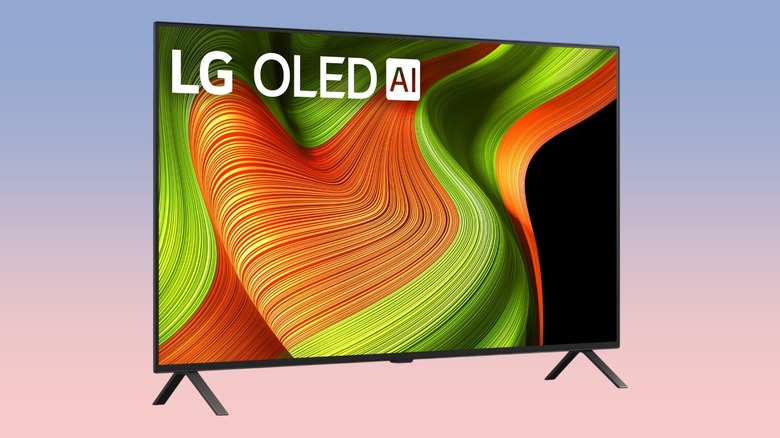
It is a common misconception that you need to spend five figures to get a professional-grade image. The LG B5 is the budget friendly TVs with high color accuracy under 1000 dollars that we recommend to everyone. While it lacks the high peak brightness of its G-series sibling, it maintains an impressive 75% BT.2020 coverage.
The B5 is the king of out-of-the-box TV color accuracy in the mid-range segment. It provides a clean SDR content mastering experience, making it perfect for watching classic films or standard Netflix fare. Even at this price point, you get the essential reference-grade picture qualities that define a high-end viewing experience.
Who This Is For: Students, secondary room setups, or anyone who wants OLED quality without the flagship tax.
Pros:
- Incredible value for the price.
- Excellent contrast and perfect blacks.
- Surprisingly good out-of-the-box accuracy.
Cons:
- Lower brightness makes it less ideal for very sunny rooms.
- Plastic stand feels a bit cheap.
FAQ
Which TV brand has the best color accuracy?
Sony and LG currently lead the industry in color accuracy. LG typically wins in terms of raw technical data and laboratory Delta E measurements, while Sony is often preferred by enthusiasts for its naturalistic processing and adherence to cinematic standards.
How can you tell if a TV is color accurate?
The most reliable way to tell is by looking for a Filmmaker Mode or a Calman Verified certification. These indicates that the TV has been tested to meet specific industry standards. In a home environment, an accurate TV will show neutral whites without a blue or yellow tint and skin tones that look natural rather than sunburned.
What does Delta E mean for TV picture quality?
Delta E is a mathematical metric that quantifies the difference between a displayed color and the original source. For TV picture quality, a Delta E value below 2 is the professional target, meaning the human eye cannot perceive any error in the color reproduction.
Are OLED TVs more color accurate than QLED?
Generally, yes. OLED TVs are typically more accurate because they can control light at the pixel level, preventing light bleed that can distort colors. However, modern QD-OLEDs and high-end Mini-LED QLEDs have closed this gap significantly by offering better color volume in very bright scenes.
Why is color accuracy important in a television?
Color accuracy ensures that you are seeing the content exactly as the creators intended. Without it, you may miss subtle details in shadows, see distorted skin tones, or experience "neon" colors that look artificial and cause eye fatigue during long viewing sessions.