Quick Facts
- Worst for Transmission: Ford Focus and Fiesta (2012–2018) equipped with the DPS6 PowerShift dual-clutch unit.
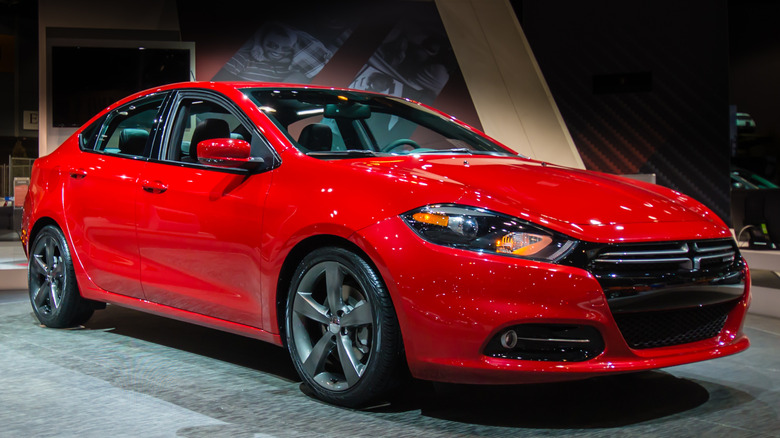
- Worst for Engine Failure: 2013 Dodge Dart featuring the 2.4L Tigershark engine with excessive oil consumption.
- Highest Maintenance Cost: Land Rover Discovery, with owners often spending over $19,000 on repairs over a decade.
- Most Reliable Alternatives: Seventh-generation Toyota Camry (2012–2017) and the Toyota Corolla.
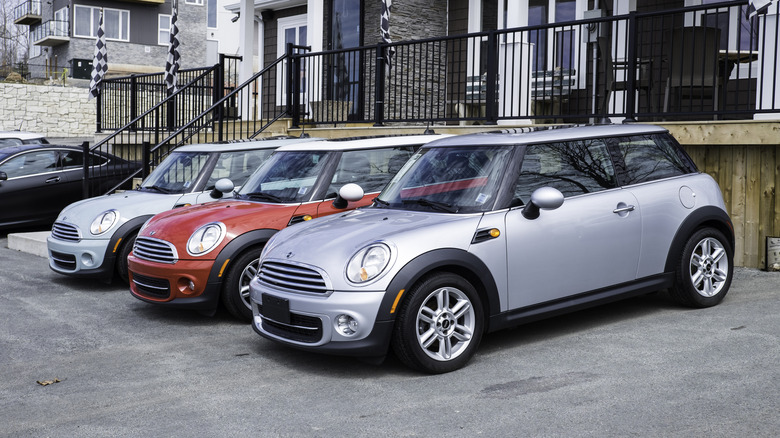
- Key Mechanical Red Flag: Premature timing chain wear in early 2010s BMW and Mini models using the N20 or Prince engines.
- Primary Cause of Failure: Continuously variable transmission (CVT) overheating in Nissan Rogue, Altima, and Sentra models.
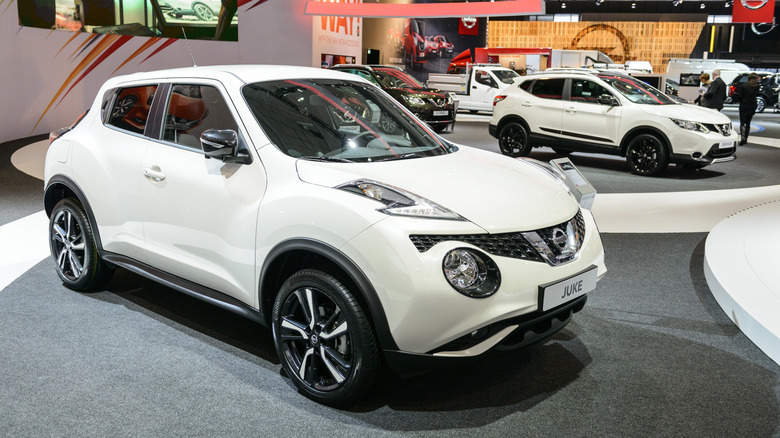
Identifying the most unreliable 2010s cars is crucial for used car buyers seeking to avoid powertrain failures and high total cost of ownership. While the 2010-2019 era produced many icons, models like the Ford Focus and certain Nissan SUVs are now major red flags due to known mechanical defects. The most unreliable cars from the 2010s include the Ford Focus and Fiesta due to PowerShift transmission failures, and Nissan models like the Juke equipped with problematic CVTs. Other high-risk choices for used car buyers include the 2011 Jeep Compass, 2013 Dodge Dart, and Land Rover Discovery models, which often suffer from expensive air suspension and engine issues.
The Transmission Traps: Ford Focus and Fiesta (2012-2018)
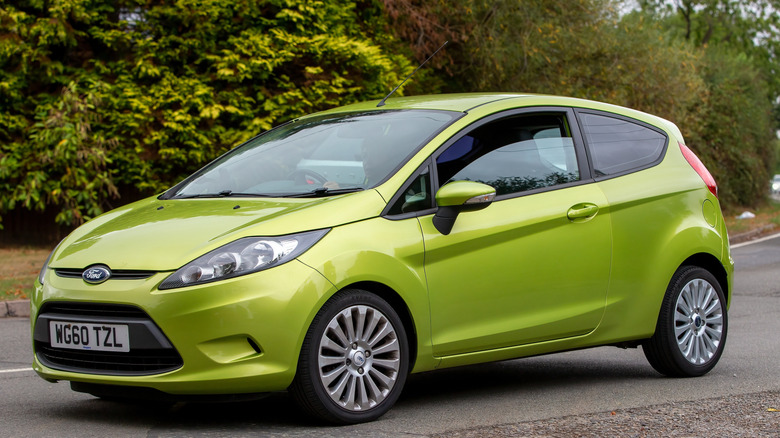
When you look at the landscape of least reliable used car models from the last decade, the Ford Focus and Fiesta sit at the very top of the "do not buy" list. The culprit is the DPS6 PowerShift transmission, a dry dual-clutch transmission that was marketed as having the fuel efficiency of a manual with the ease of an automatic. In reality, it became a mechanical nightmare.
The engineering flaw was rooted in the clutch material and the control module, which often suffered from fluid leaks that caused the clutches to slip and shudder violently. This wasn't just a minor annoyance; it was a safety hazard that led to the $77.4M Vargas v. Ford settlement. For many owners, the car becomes a financial total loss because the cost of replacing the transmission unit multiple times often exceeds the current market value of the vehicle.
| Metric | Details |
|---|---|
| Original MSRP | $16,000 – $21,000 |
| Current Used Price | $3,500 – $7,000 |
| Common Failures | Shuddering, hesitation, complete transmission failure, TCM malfunctions |
| Estimated Repair Cost | $3,000 – $5,000 |
If you encounter one of these on a used car lot, walk away. Even if the current owner claims the transmission was recently serviced, the design itself is fundamentally flawed. These 2010-2019 used car models with transmission problems remain the biggest gamble in the budget used car market today.
Safe Alternative: If you need a compact Ford, look for a manual transmission version of the Focus or Fiesta, which avoids the PowerShift issues entirely, or opt for a 2012-2017 Toyota Corolla.
Nissan's CVT Crisis: Rogue, Sentra, and Altima (2012-2017)
Nissan's reliance on JATCO-sourced continuously variable transmission units during the mid-2010s created a generation of unreliable 2010s cars that are now flooding the used market with hidden defects. These transmissions are notorious for overheating, which triggers a limp mode that limits engine RPM to prevent total meltdown.
The high maintenance used cars in Nissan's lineup, particularly the Rogue and Altima, often suffer from cooling system leaks that allow coolant to mix with transmission fluid. Once this "strawberry milkshake" occurs, the transmission is effectively toast. For unreliable 2010s cars to avoid for used car buyers, any Nissan with high mileage and a CVT should be approached with extreme caution. Out-of-warranty repairs for these units are notoriously expensive because they are often considered non-serviceable, requiring a total replacement rather than a simple fix.
| Metric | Details |
|---|---|
| Original MSRP | $22,000 – $30,000 |
| Current Used Price | $6,000 – $12,000 |
| Common Failures | CVT belt slip, overheating, cooling line leaks |
| Estimated Repair Cost | $4,000 – $6,500 |
Luxury Money Pits: Land Rover Discovery & BMW 5-Series (F10)
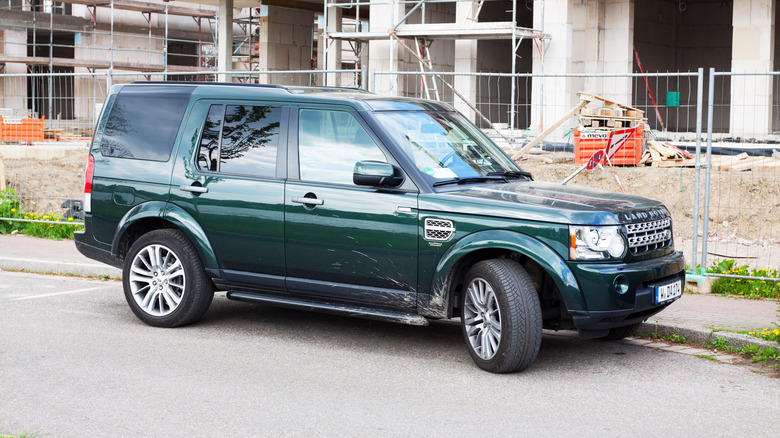
The allure of a cheap European luxury car is a siren song that has destroyed many bank accounts. The Land Rover Discovery is a prime example of a vehicle where vehicle depreciation happens almost as fast as its mechanical components fail. A 10-year maintenance cost study by Consumer Reports found that Land Rover owners spent an average of $19,250 on repairs and servicing, which was more than triple the $4,900 average for Toyota owners.
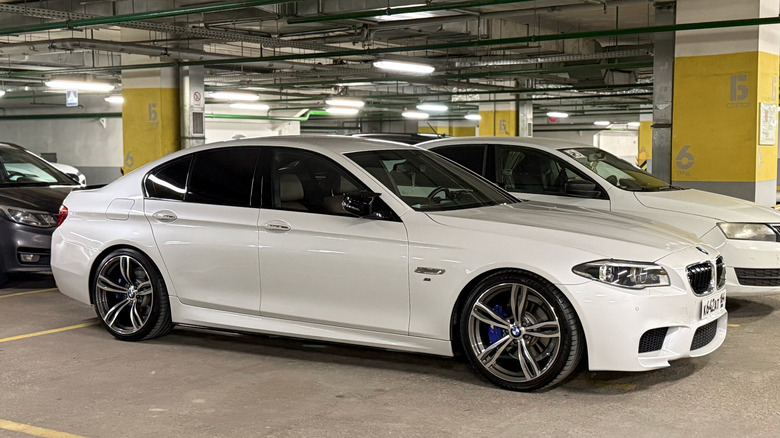
Common issues include air suspension failure, where the car sags to the ground and becomes undrivable, and catastrophic engine leaks. Similarly, the F10 generation BMW 5-Series (2011-2016) is one of the worst 2010s luxury cars for long term ownership if equipped with the N20 four-cylinder engine. This engine is famous for timing chain tensioners that fail prematurely; if the chain skips, the engine is instantly destroyed.
| Metric | Details |
|---|---|
| Original MSRP | $50,000 – $70,000 |
| Current Used Price | $12,000 – $20,000 |
| Common Failures | Air suspension, electrical glitches, timing chain (BMW), oil leaks |
| Estimated Repair Cost | $2,500 – $10,000+ |
These are the most expensive 2010s cars to repair on the used market because parts are proprietary and labor hours for even "simple" fixes are double what you would pay for a domestic or Japanese brand.
The Engine Failure List: Dodge Dart and Chrysler 200
The early 2010s were a rough period for Chrysler's small and mid-sized sedans. The Dodge Dart and Chrysler 200 were intended to revitalize the brand, but they ended up on the used cars to avoid 2010-2019 lists due to the 2.4L Tigershark engine. These engines are known for extreme oil consumption, sometimes burning a quart every 1,000 miles without any visible leaks or smoke.
In the 2014 J.D. Power Vehicle Dependability Study, engine and transmission issues in 2011 model-year vehicles contributed to a 6 percent increase in reported problems, the first such decline in vehicle reliability since 1998. The Dart and 200 also suffered from a litany of infotainment glitches and electrical gremlins that often required multiple Technical Service Bulletins to address.
| Metric | Details |
|---|---|
| Original MSRP | $17,000 – $24,000 |
| Current Used Price | $4,000 – $9,000 |
| Common Failures | Excessive oil consumption, electrical shorts, shifting hesitation |
| Estimated Repair Cost | $1,500 – $4,500 |
Methodology: How We Ranked These 2010s Lemons
To determine which vehicles made this list of unreliable 2010s cars, I analyzed several data streams. This includes long-term total cost of ownership data, consumer complaint volumes from the NHTSA, and historical reliability rankings from J.D. Power and Consumer Reports.
I specifically looked for "catastrophic" versus "annoying" failures. A broken radio is annoying; a snapped timing chain or a failed dual-clutch transmission is a financial disaster. Any car that appears on this list has a statistically higher probability of a powertrain failure that could cost more than 50% of the vehicle’s current value. Always perform a pre-purchase inspection before signing any paperwork on a car from this decade.
Better Alternatives: Reliable Used Cars from 2010-2019
If you want to stay in the 2010-2019 year range but avoid a headache, there are several reliable alternatives to the least reliable 2010s cars. The goal is to find vehicles with high component longevity and simple mechanical layouts.
- Toyota Camry (2012–2017): Often cited as the gold standard for reliability. The 2.5L four-cylinder and 6-speed automatic are nearly bulletproof.
- Honda Civic (2012–2015): While the 2012 model was criticized for its interior, the mechanicals are solid. The 9th generation is much more reliable than the 10th generation (2016+) with its early turbo issues.
- Mazda 3 (2014–2018): Using the SkyActiv-G engines and traditional 6-speed automatics, these cars offer a great balance of driving fun and long-term durability.
FAQ
What are the most unreliable cars from the 2010s?
The most unreliable models include the Ford Focus and Fiesta (transmission), Nissan Rogue and Sentra (CVT), Land Rover Discovery (air suspension and engine), and the Dodge Dart (engine oil consumption). These cars are frequently flagged for powertrain failures that cost thousands to repair.
What common issues do 2010s vehicles often face?
Vehicles from this era often struggle with early-generation dual-clutch transmissions, overheating CVTs, and complex infotainment systems that become obsolete or glitchy. Additionally, many European brands from the early 2010s face premature timing chain wear and cooling system failures.
Which car years in the 2010s should buyers avoid?
Generally, the years 2011 to 2014 were particularly problematic as manufacturers transitioned to more complex fuel-saving technologies like CVTs and turbocharging without fully refining the designs. Specific models like the 2012 Ford Focus and 2013 Dodge Dart are notable "year ones" to avoid.
Which 2010s car models are known for transmission failure?
The Ford Focus and Fiesta (2012-2018) with the PowerShift automatic and almost any Nissan model from 2012-2017 using a JATCO CVT are the most famous for transmission failure. These units often require full replacement rather than simple repairs.
How do I find a reliable used car from the 2010s?
The best strategy is to stick with brands that have a proven track record, such as Toyota, Honda, and Mazda. Always check the vehicle's service history for regular oil changes and transmission fluid flushes, and never skip a professional pre-purchase inspection by a third-party mechanic.
Conclusion
The 2010s was a decade of massive technological shifts in the automotive industry. While we gained better fuel economy and safety, we also saw a surge in high maintenance used cars as complex components reached their breaking point. Whether it is the powertrain failures of a Ford or the air suspension failure of a Land Rover, the financial risks are real.
When shopping, remember that a low purchase price often masks a high maintenance burden. By avoiding these 12 known lemons and opting for a reliable alternative, you can ensure your used car purchase remains a tool for transportation rather than a drain on your savings. Always prioritize a pre-purchase inspection to uncover the hidden history of any vehicle you consider.